The Sovereign’s Head Hallmark: The Royal Profile That Taxed Every Piece of Silver from George III to Queen Victoria
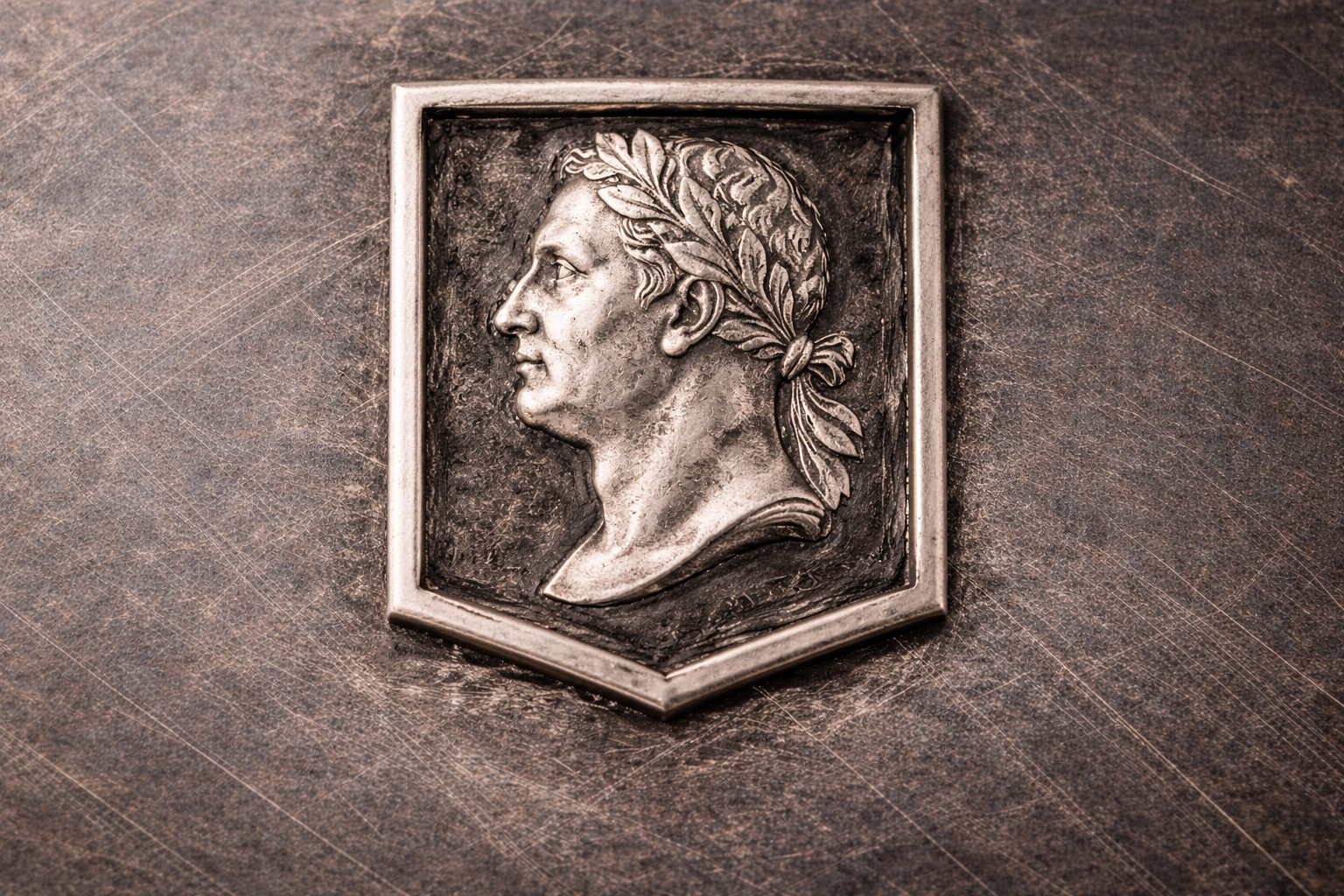
The royal profile that taxed every piece of silver from George III to Queen Victoria. This is the complete, in-depth story of the Sovereign’s Head — the duty mark that appeared on British and Irish silver for 106 years and remains one of the most useful dating tools for collectors today.
This deep dive is part of the Silver Hub on 925spot.com, your go-to place for sterling silver education, verification, and market insights.
What the Sovereign’s Head Actually Means
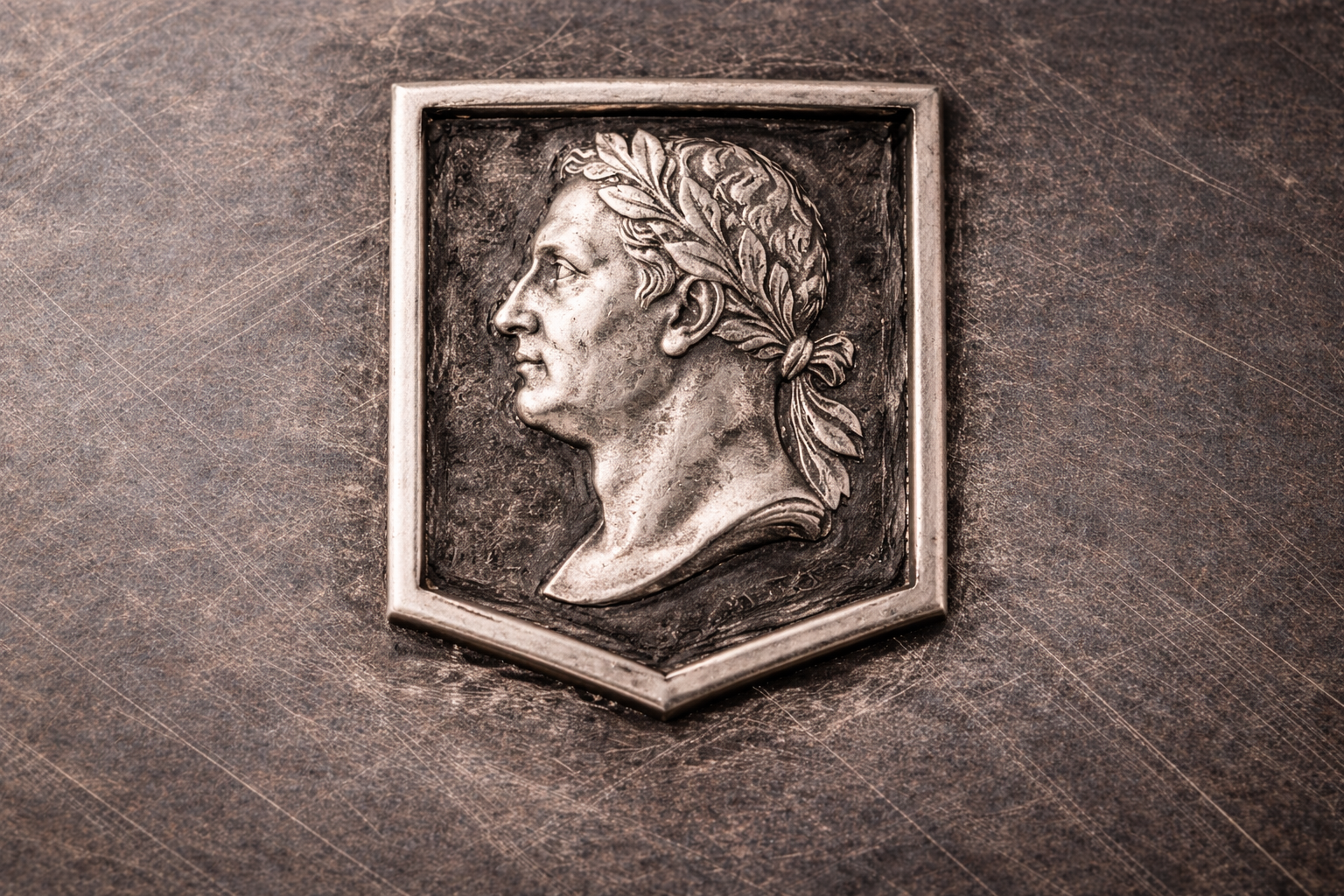
The Sovereign’s Head is a duty mark (tax mark) that shows the profile of the reigning monarch. It was introduced in 1784 and used until 1890. It does not guarantee purity or indicate the assay office — it simply proves that the duty (tax) on the silver had been paid to the Crown. It appears on both silver and gold and is extremely helpful for dating pieces because the monarch’s portrait changed with each new ruler.
If you’re holding a piece right now and want to be 100% sure it’s authentic, our flagship guide walks you through every test: How to Tell if Sterling Silver Is Real.
The Dramatic Birth in 1784: George III’s Tax on Silver
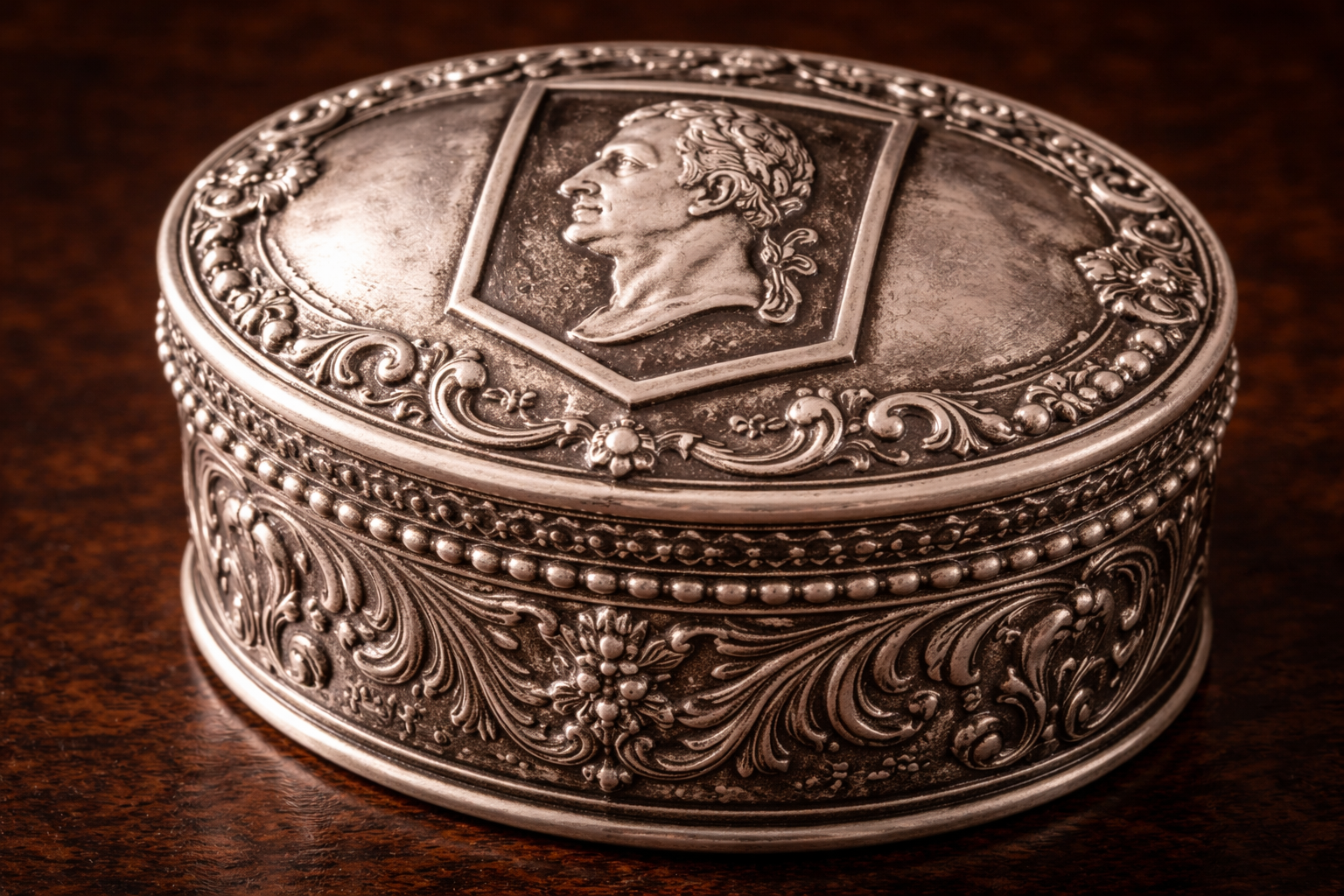
In 1784 Britain was recovering from the American War of Independence and needed revenue. Parliament introduced a new tax on all silver and gold plate. To prove the tax had been paid, the Assay Offices were ordered to strike a new mark: the profile of the reigning monarch — George III. This was the first time a monarch’s portrait was used as a hallmark. The Sovereign’s Head became a mandatory duty mark on every piece of silver manufactured in Britain and Ireland.
The Monarchs Featured on the Sovereign’s Head
The mark changed with each new king or queen: - George III (1784–1820) - George IV (1820–1830) - William IV (1830–1837) - Queen Victoria (1837–1890)
Because the portrait changed, the Sovereign’s Head is one of the most accurate ways to date British and Irish silver between 1784 and 1890.
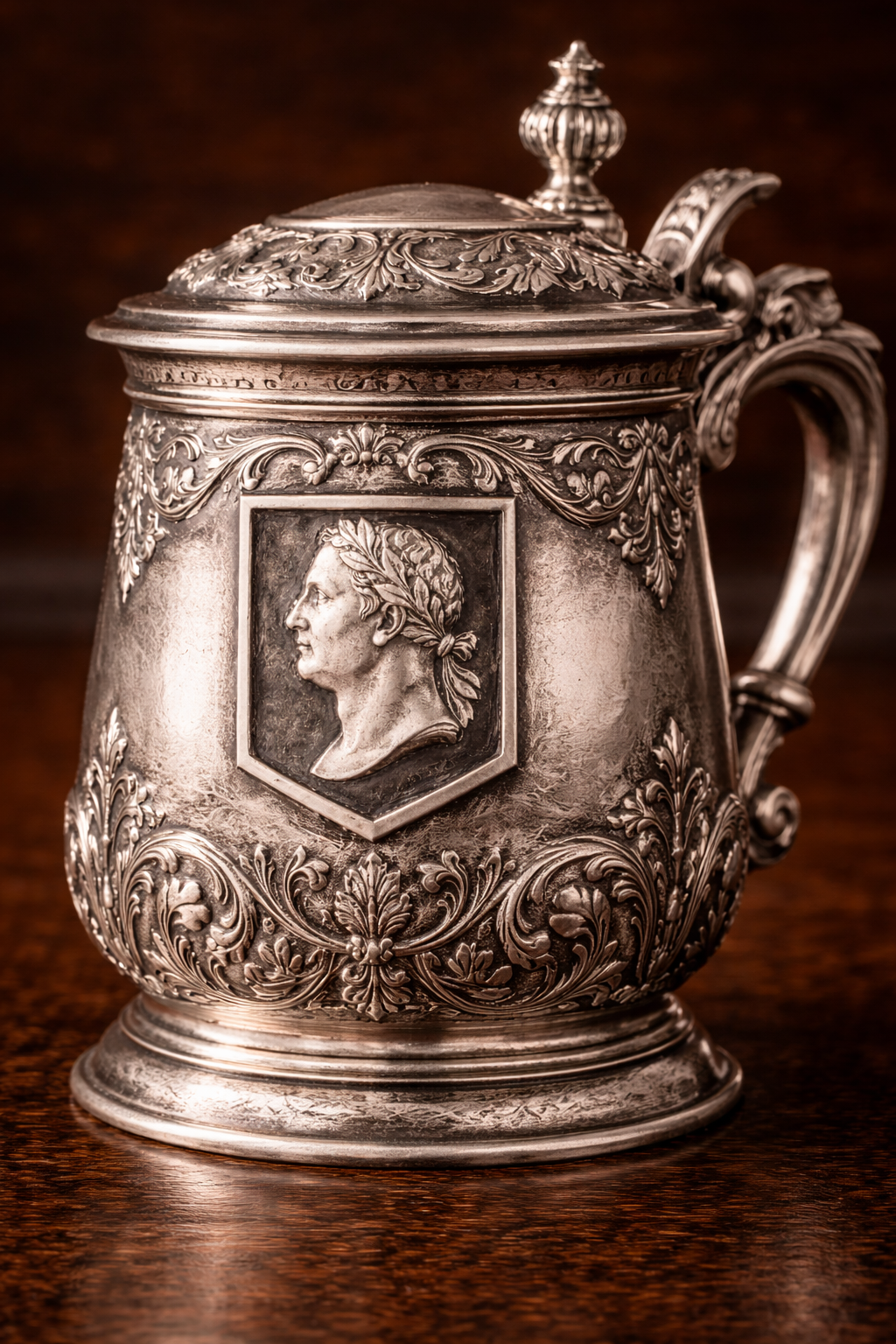
The End in 1890
The duty mark was finally abolished on 1st April 1890. From that date onward, the Sovereign’s Head no longer appeared on new silver. Pieces made after 1890 never carry this mark, making it a very reliable dating tool for collectors.
10 Fascinating Facts About the Sovereign’s Head
- Tax mark only: It has nothing to do with purity — it only proved the duty had been paid.
- First monarch portrait: The first hallmark to feature the actual face of a reigning king or queen.
- Used for 106 years: From 1784 until 1890.
- Appears on gold too: Struck on both silver and gold plate.
- Four monarchs: George III, George IV, William IV, and Queen Victoria.
- Excellent dating tool: The changing royal profiles make it one of the most accurate ways to date silver.
- Used in Ireland: Also struck on Irish silver in Dublin during the same period.
- Collector value: Pieces with a clear Sovereign’s Head often command a premium because of their precise dating.
- Abolished in 1890: Removed because the tax was finally scrapped.
- Still useful today: Remains one of the best ways to authenticate and date antique British and Irish silver.
The Sovereign’s Head in the Modern Era
After 1890 the Sovereign’s Head disappeared from new silver. Today it serves as a valuable historical marker that helps collectors date pieces between 1784 and 1890 with high accuracy.
Collector Tips: How to Spot the Real Sovereign’s Head & Avoid Fakes
Look for the monarch’s profile in a small oval or rectangular punch. The portrait should match the known likeness of the monarch (especially Victoria’s later years). It should appear alongside the Lion Passant, town mark, date letter, and maker’s mark. Fakes are usually too shallow or have incorrect proportions. For a complete checklist of tests plus the latest scam red flags, read our guide: How to Tell if Sterling Silver Is Real.
Why the Sovereign’s Head Still Matters in 2026
Every time you see the Sovereign’s Head you are holding a direct piece of British and Irish tax history — a royal profile that once appeared on every piece of silver from George III to Queen Victoria. It remains one of the most useful and fascinating hallmarks for dating and authenticating antique sterling silver. If you want to know exactly what your piece is worth today, try our free Melt Value Calculator. For stacking strategies and why physical silver still matters, explore our full Silver Education Guide.
Frequently Asked Questions
What does the Sovereign’s Head mark mean?
It means the duty (tax) on the silver had been paid to the Crown.
Which monarchs appear on it?
George III, George IV, William IV, and Queen Victoria.
When was it used?
From 1784 until 1890.
Is it still used today?
No — it was abolished in 1890 and never returned.
Does it guarantee purity?
No — it is only a duty/tax mark, not a purity mark.
Where can I learn more about silver prices?
Check our weekly updates in The Week Ahead or our core analysis hub Silver Market Analysis.
Further Reading & Best Resource

Online Encyclopedia of Silver Marks, Hallmarks & Makers' Marks
The most extensive internet resource for research of silver hallmarks & maker's marks. I used this site constantly when researching the complete history of the Sovereign’s Head.