Could the World Actually Return to Gold and Silver Money?
Imagine walking into a grocery store and paying with a fraction of a silver ounce. No app. No bank approval. No third party between you and the seller.
For most of human history, this wasn’t imagination — it was reality. Gold and silver were money, not investments, not hedges, not “alternatives.”
As inflation quietly drains purchasing power and digital money becomes easier to create, a once-unthinkable question is being asked seriously again: Could gold and silver return as the foundation of money?
To understand whether that could work today, we first need to understand why the current system feels increasingly fragile — and why silver’s structure is often misunderstood: The silver shortage isn’t what you think .

Hypothetical #1: A Pure Gold & Silver Money System
Let’s start with the extreme scenario.
In this world, paper money and digital currency are eliminated. Every unit of money represents a specific weight of gold or silver. Governments cannot create currency unless they acquire more metal.
Why this could work:
Inflation becomes structurally impossible. Governments can’t print their way
out of debt. Savings retain purchasing power across generations.
Historically, this produced long periods of price stability under classical metal standards.
Why it would likely fail today:
Modern economies move too fast. Crisis response, emergency liquidity,
and global trade require flexibility that physical metal alone cannot provide.
Hypothetical #2: Digital Currency Backed by Gold & Silver
This scenario blends modern technology with ancient discipline.
Imagine a digital currency where every unit issued must be backed by verifiable gold or silver reserves. Transactions remain fast, but supply expansion is constrained.
Why this could work:
Trust increases. Monetary debasement becomes visible.
Currency creation requires real-world resources.
The risk:
Trust shifts from governments to custodians.
If reserve audits are questioned, confidence collapses.
This is why many investors prefer holding metal directly instead of paper claims: Is physical silver safer than ETFs?
Hypothetical #3: Parallel Money Systems
This is the most realistic — and arguably already unfolding — scenario.
Fiat currencies continue to function for daily commerce, while gold and silver act as parallel stores of value, settlement tools, and trust anchors.
Central banks quietly accumulate gold. Retail investors quietly stack silver.
This behavior explains why individual buyers now play a meaningful role: Retail investors are quietly driving the silver market .
Why this works:
Flexibility is preserved while discipline becomes optional rather than enforced.
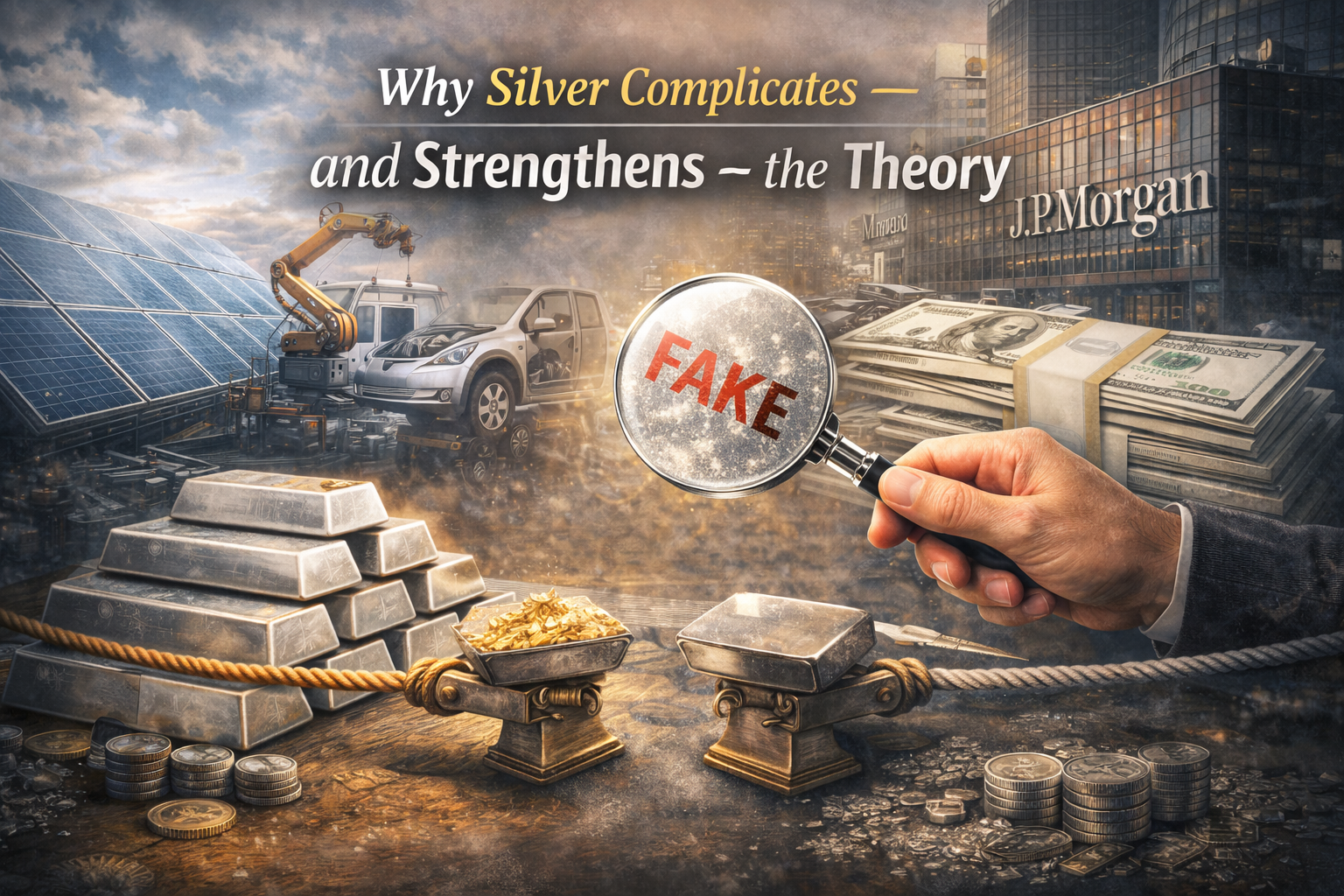
Why Silver Complicates — and Strengthens — the Theory
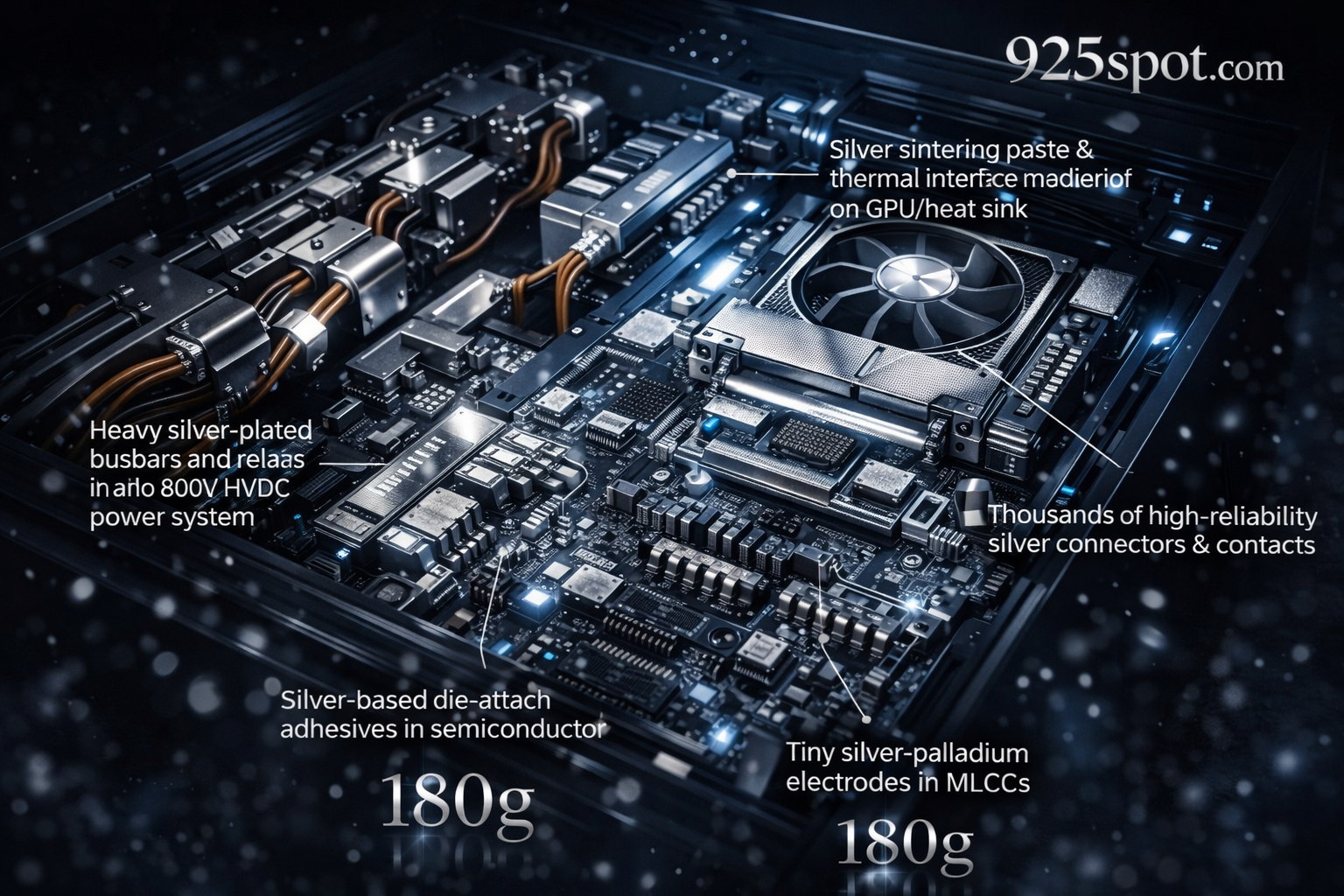
Silver isn’t purely monetary. It is deeply industrial. Solar panels, electronics, medical equipment, and EVs depend on it.
That creates competition between industrial demand and monetary demand.
It also contributes to persistent concerns about market structure and control: Did JP Morgan manipulate the silver market?
Counterfeits further undermine trust in physical systems: Fake silver and gold are flooding marketplaces .
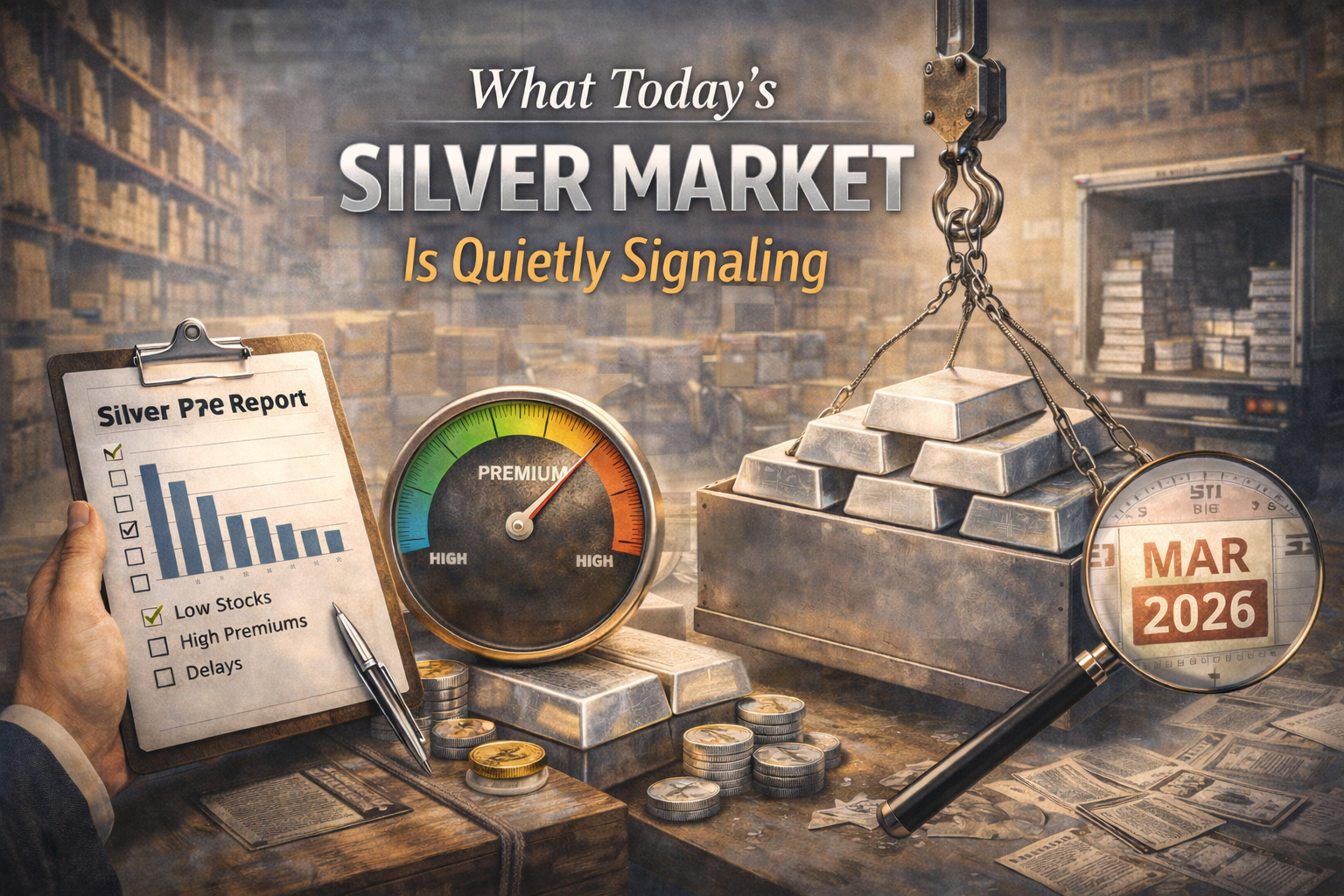
What Today’s Silver Market Is Quietly Signaling
Analysts focus less on spot prices and more on physical indicators: inventories, premiums, delivery delays, and availability.
These signals often diverge from paper markets: Physical silver outlook: what analysts and dealers are watching .
Many see early 2026 as a potential inflection point: Why early 2026 could be a smart time to start stacking silver .
So… Will Gold and Silver Ever Be Money Again?
Gold and silver don’t require laws to become money. They only require doubt in everything else.
A full return is unlikely. A quiet re-adoption is already underway.
History shows that when confidence erodes, precious metals don’t announce their return — they simply resume their role.