Silver Investing Education Guide: How to Buy, Verify & Stack Physical Silver
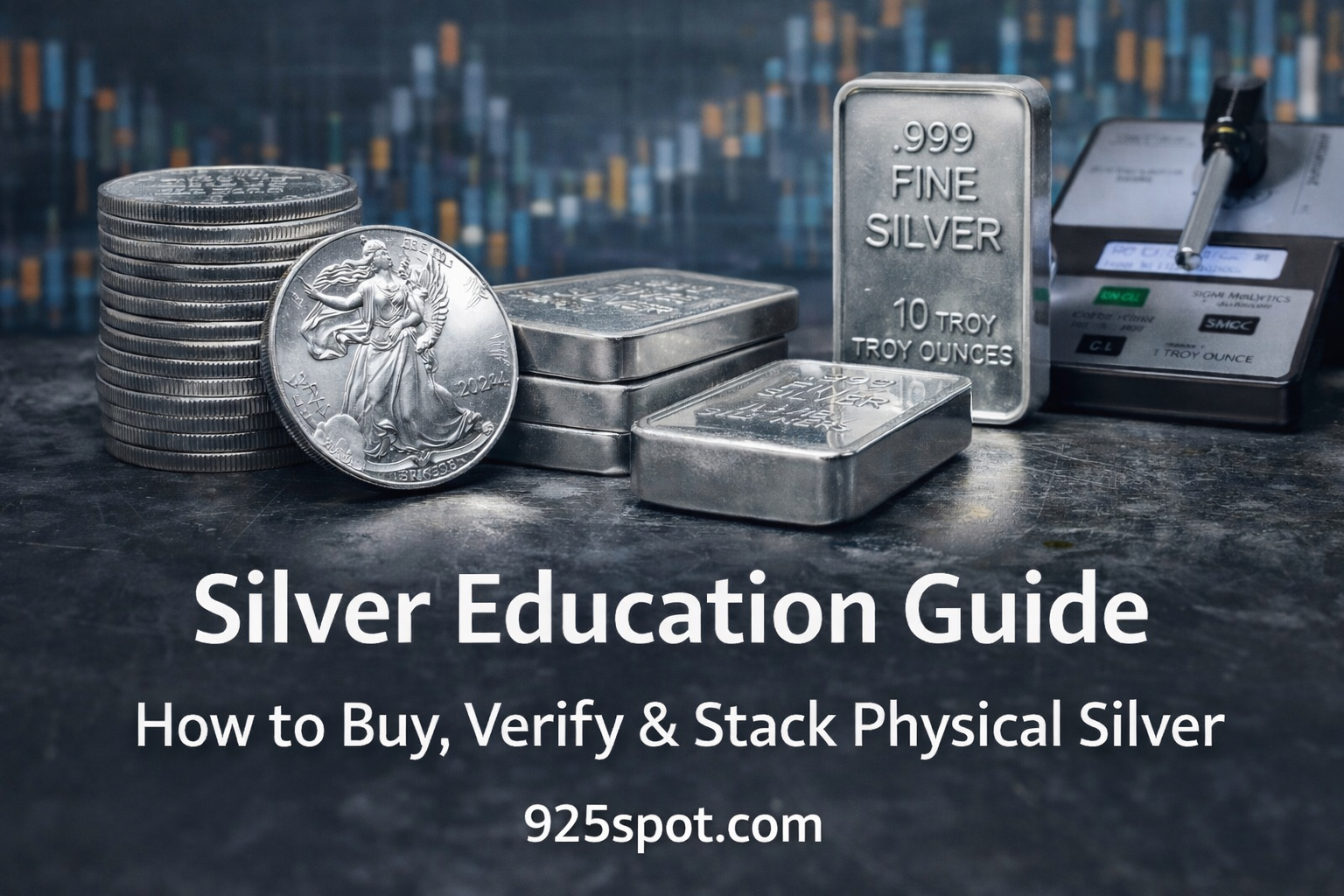
Learn how to invest in physical silver the right way. This comprehensive silver education guide covers silver spot price, premiums, bullion types, authentication methods, storage strategies, and beginner stacking principles. Whether you are buying your first 1 oz coin or building long-term wealth in precious metals, this guide walks you step-by-step through everything you need to know.
Start Here: Silver Investing Basics
What Is Silver Spot Price?
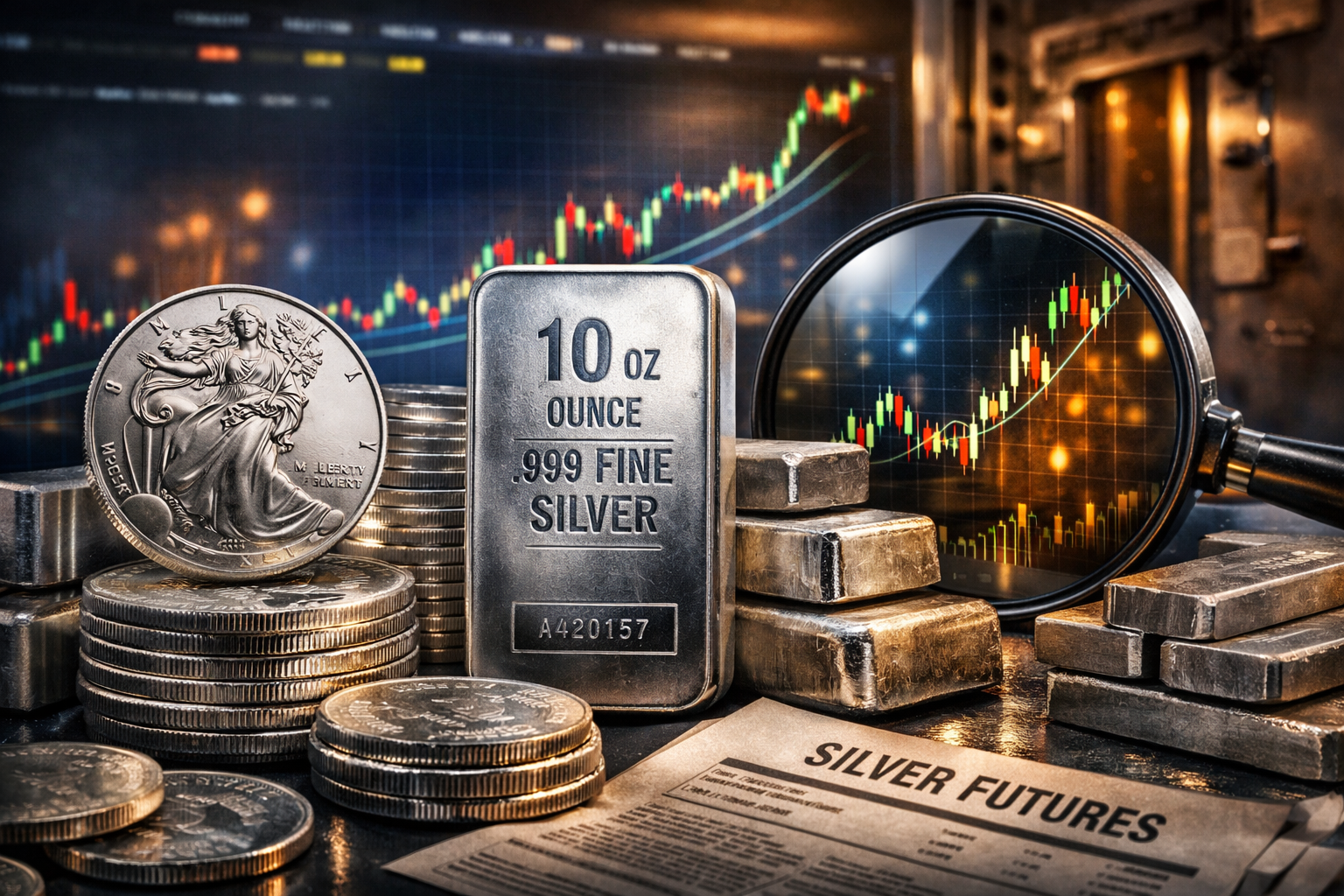
Silver spot price is the current market price for one troy ounce of raw silver traded on global futures markets. A troy ounce equals 31.1 grams and is the standard measurement used in precious metals investing.
The spot price reflects large wholesale transactions of silver contracts — not finished coins or bars. When you purchase physical silver, you pay the spot price plus a premium. Understanding this distinction is foundational for any beginner silver investor.
Spot price fluctuates constantly due to:
Supply and demand
Industrial usage trends
Inflation expectations
U.S. dollar strength
Geopolitical risk
Futures market speculation
Before buying physical silver, always check the live silver spot price so you understand what portion of your purchase is metal value versus dealer premium.
Understanding Silver Premiums
A silver premium is the amount you pay above the spot price. Premiums exist because silver must be refined, minted, transported, insured, and sold through dealers.
For example:
If spot price is $25
And a coin costs $30
The premium is $5
Premiums vary depending on:
Coin vs round vs bar
Mint reputation
Supply shortages
Market demand spikes
Economic uncertainty
Generally:
Government coins carry higher premiums
Private mint rounds carry lower premiums
Larger bars have the lowest premiums per ounce
Serious silver stackers focus on minimizing premium while maintaining liquidity.
Coins vs Bars vs Rounds: What Should Beginners Buy?
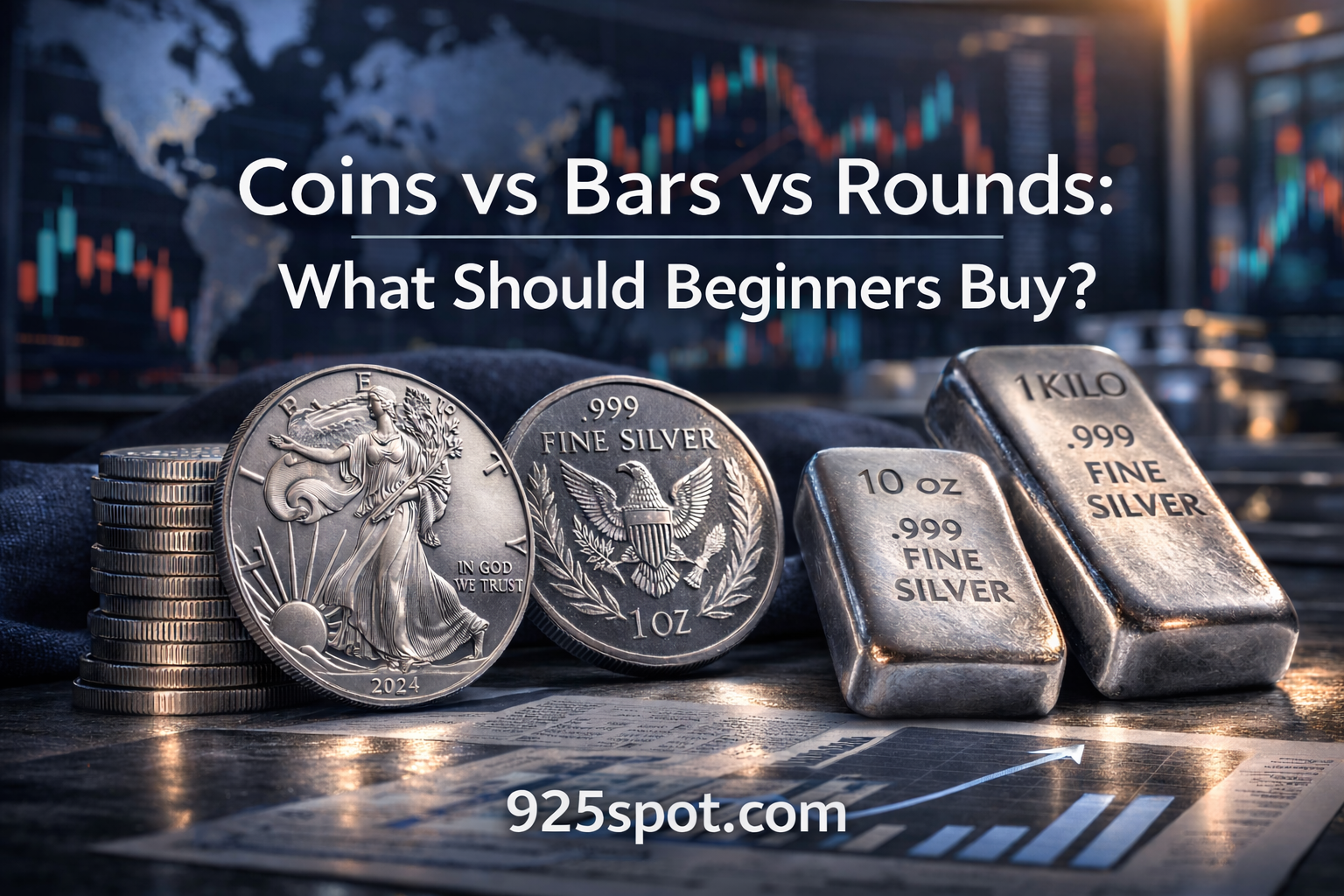
There are three primary types of physical silver:
1 oz Silver Coins
Produced by sovereign mints (e.g., government mints).
Often carry the highest premium but strong resale recognition.
Silver Rounds
Privately minted.
Lower premium than coins.
Excellent for stacking ounces affordably.
Silver Bars
Available in 1 oz, 10 oz, kilo, and 100 oz sizes.
Lower premium per ounce in larger sizes.
Ideal for long-term accumulation.
For beginners, 1 oz pieces offer flexibility and easier resale. As your stack grows, adding 10 oz or kilo bars can reduce overall premium costs.
How to Verify Real Silver and Avoid Counterfeits
Counterfeit silver exists — especially online.
Basic authentication methods include:
Magnet test (silver is not magnetic)
Weight test (31.1 grams per troy ounce)
Ping test (distinct high ring tone)
Caliper measurement
Acid testing kits
Sigma metal analyzers (professional level)
Always buy from reputable dealers and understand testing basics before purchasing from private sellers.
Authenticity knowledge protects your investment.
Where to Buy Physical Silver Safely
You can purchase silver from:
• Local coin shops
• Established online bullion dealers
• Reputable precious metals exchanges
When buying locally:
Paying cash can reduce fees.
When buying online:
Bank transfer or e-check typically lowers premium versus credit card payments.
Avoid:
Unverified marketplace listings
Suspiciously low prices
Sellers unwilling to verify authenticity
Have an exit strategy before you ever buy your first ounce.
How to Store Physical Silver Securely
Storage depends on stack size and risk tolerance.
Common methods:
• Home safes (bolted down)
• Concealed storage solutions
• Private vault services
• Bank safe deposit boxes
Security priorities:
Discretion
Diversification of storage locations
Insurance (if necessary)
Avoid advertising your holdings publicly
Physical silver gives you control — but security is your responsibility.
Silver Stacking Strategy for Beginners
Successful silver investing requires patience.
Core principles:
• Dollar-cost averaging
• Avoid emotional buying
• Focus on long-term accumulation
• Minimize premiums
• Stay informed on market cycles
Many experienced investors treat silver as financial insurance rather than a short-term trade.
The goal is steady accumulation during periods of undervaluation.
Why Physical Silver Still Matters in 2026
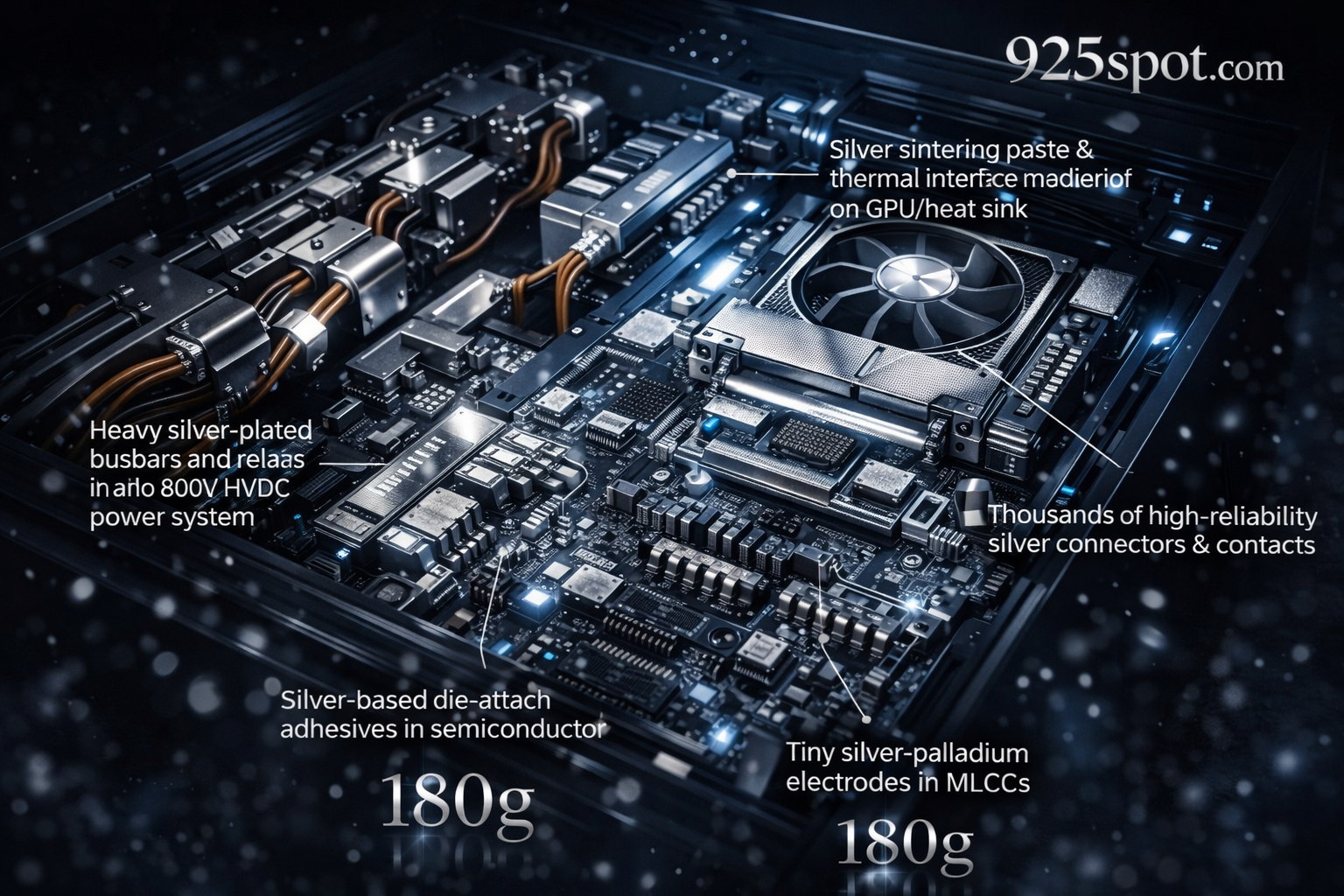
Silver is not only a monetary metal — it is an industrial commodity critical to:
• Solar energy production
• Electric vehicles
• Semiconductor manufacturing
• Medical technology
With structural supply deficits and rising industrial demand, silver remains one of the most misunderstood assets in the global financial system.
Understanding physical silver today positions investors for long-term resilience in uncertain economic environments.