Is War Good for Silver? The Iran Conflict’s Explosive Impact on Precious Metal Prices
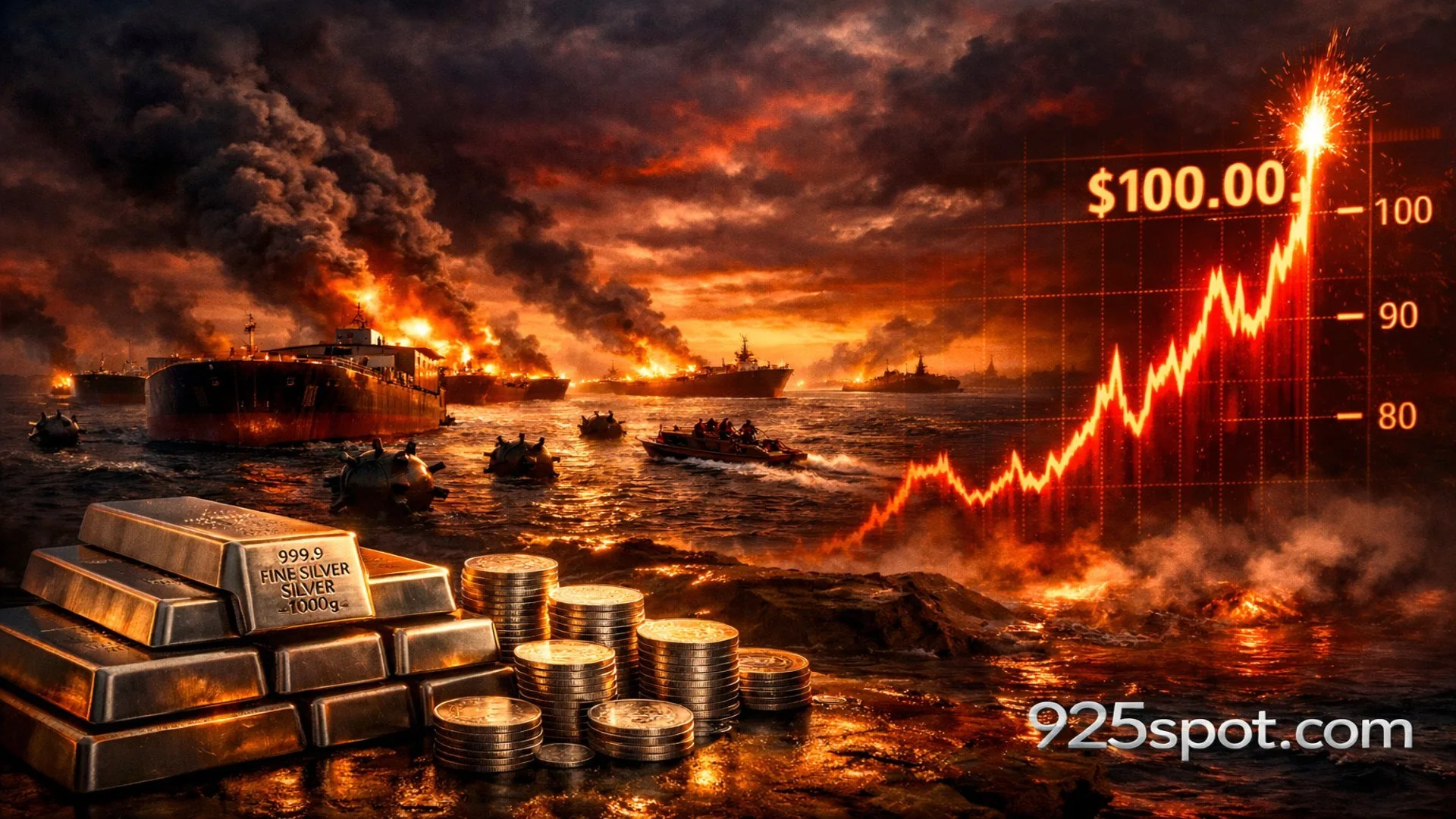
Tensions between the United States and Iran are now at one of the highest levels in decades. With military deployments expanding, nuclear negotiations stalling, and analysts warning that a conflict could erupt at any moment, the financial world is bracing for dramatic moves in oil, inflation, and safe-haven assets like silver.
This is no longer theoretical. Markets are already reacting.
Why the World Is Watching Iran — and Silver Traders Are on Edge
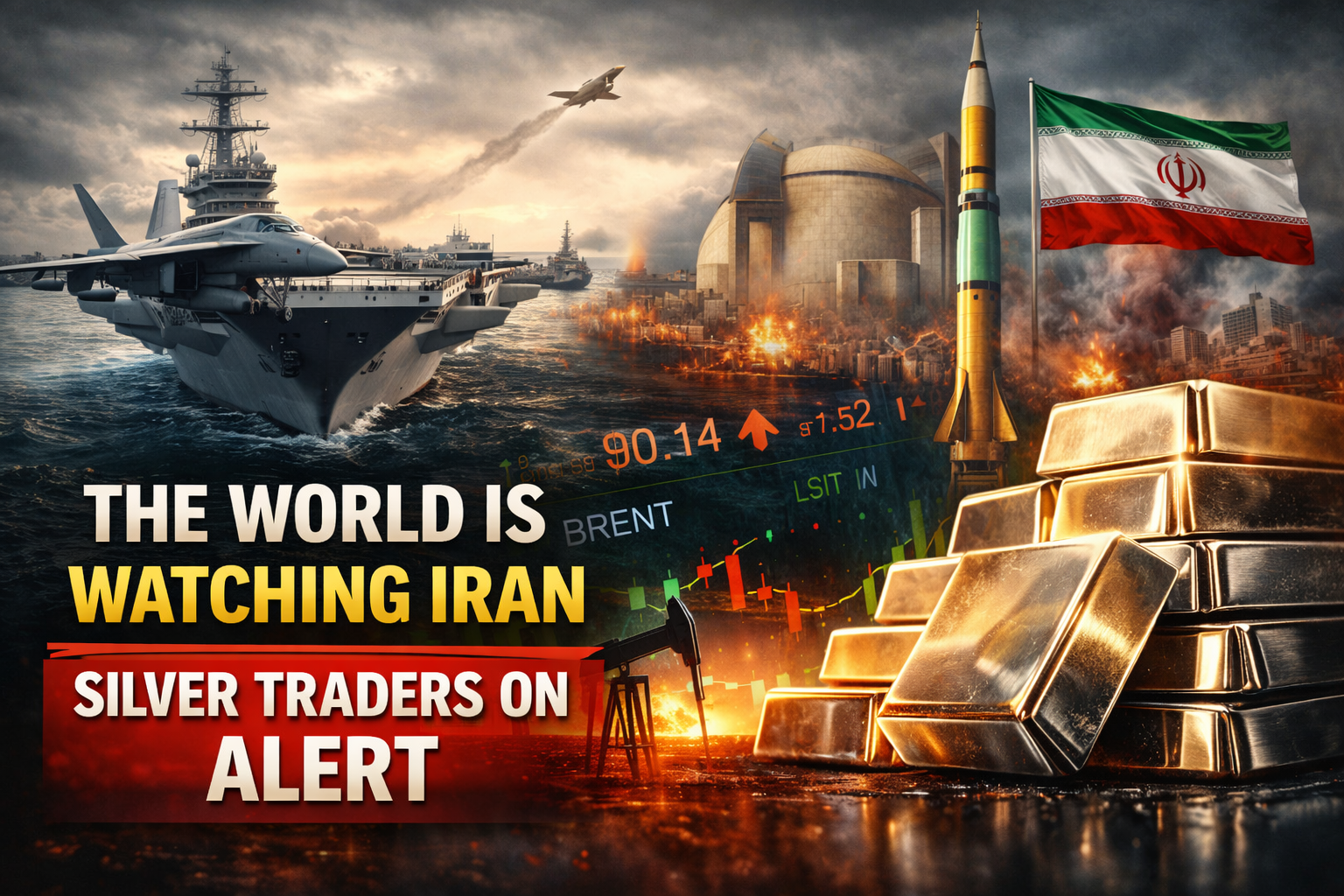
As of early 2026, diplomatic talks between the United States and Iran aimed at resolving nuclear disputes have repeatedly stalled, leaving military confrontation increasingly likely.
According to Reuters, Washington has deployed one of its largest military buildups in the Middle East since the Iraq invasion, while Iran has signaled it will continue its nuclear and missile programs despite U.S. pressure. The result: elevated geopolitical uncertainty and a rising risk premium across global markets.
Meanwhile, The Guardian reports that energy markets are already pricing in the possibility of military strikes, with Brent crude and WTI futures climbing as traders hedge against disruption.
Even rumors of war are reshaping commodities.
What Could Trigger War — and What Experts Predict
Military analysts identify several flashpoints that could escalate tensions into open conflict:
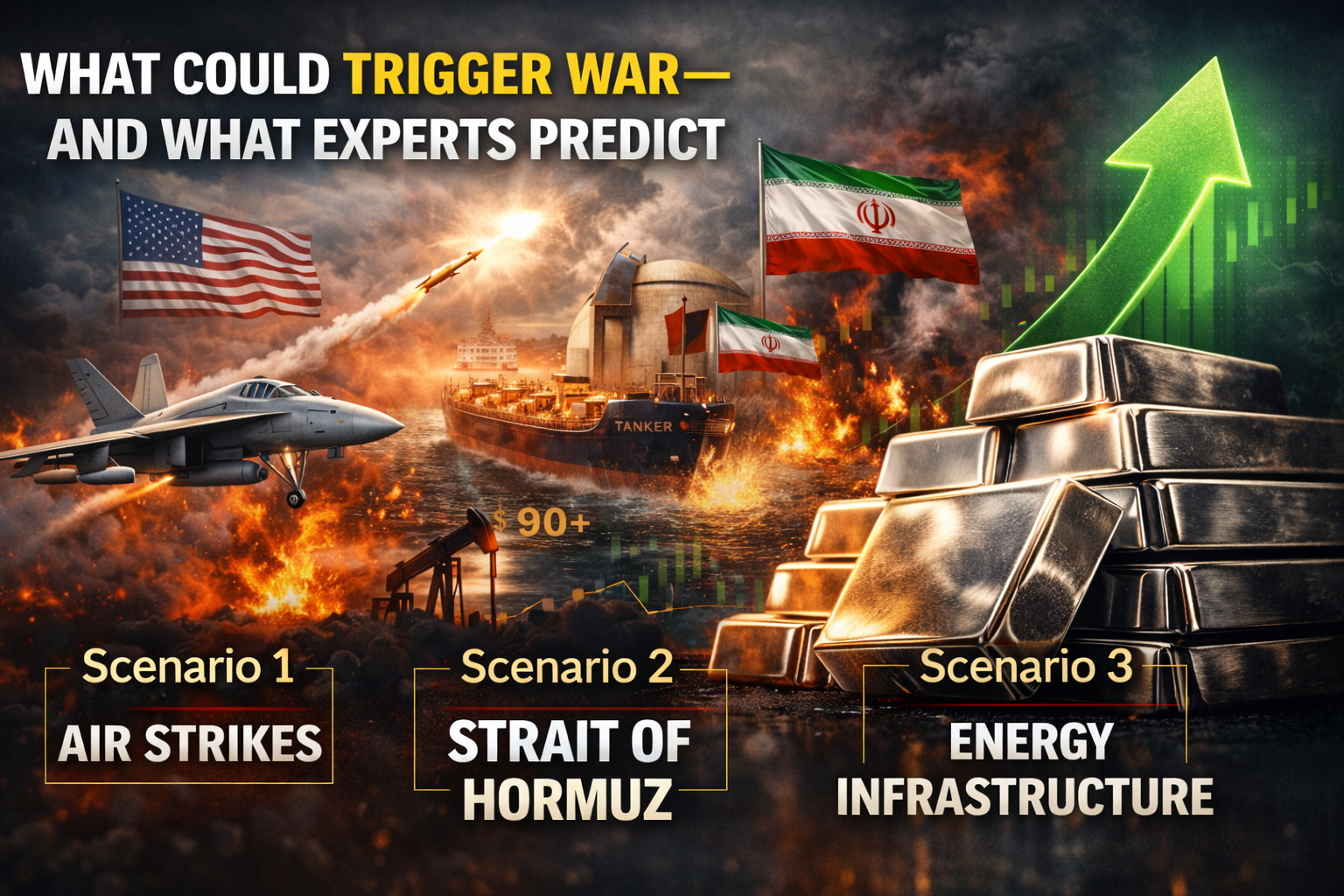
- Air strikes on Iranian air defense or missile systems — a likely U.S. strategy to reduce regional threats and protect shipping lanes.
- Joint U.S.–Israel operations targeting Iranian nuclear or military facilities.
- Disruption of the Strait of Hormuz, which carries nearly 20% of global oil supply.
Strategic research organizations such as the Center for Strategic and International Studies (CSIS) outline potential economic outcomes if escalation occurs:
- Scenario One: Limited strikes on Iranian oil shipments — oil rises $10–12 per barrel.
- Scenario Two: Strait of Hormuz disruption — oil exceeds $90 per barrel.
- Scenario Three: Sustained attacks on energy infrastructure — oil pushes above $100.
Each scenario would influence inflation expectations, currency stability, and safe-haven flows into silver and gold.
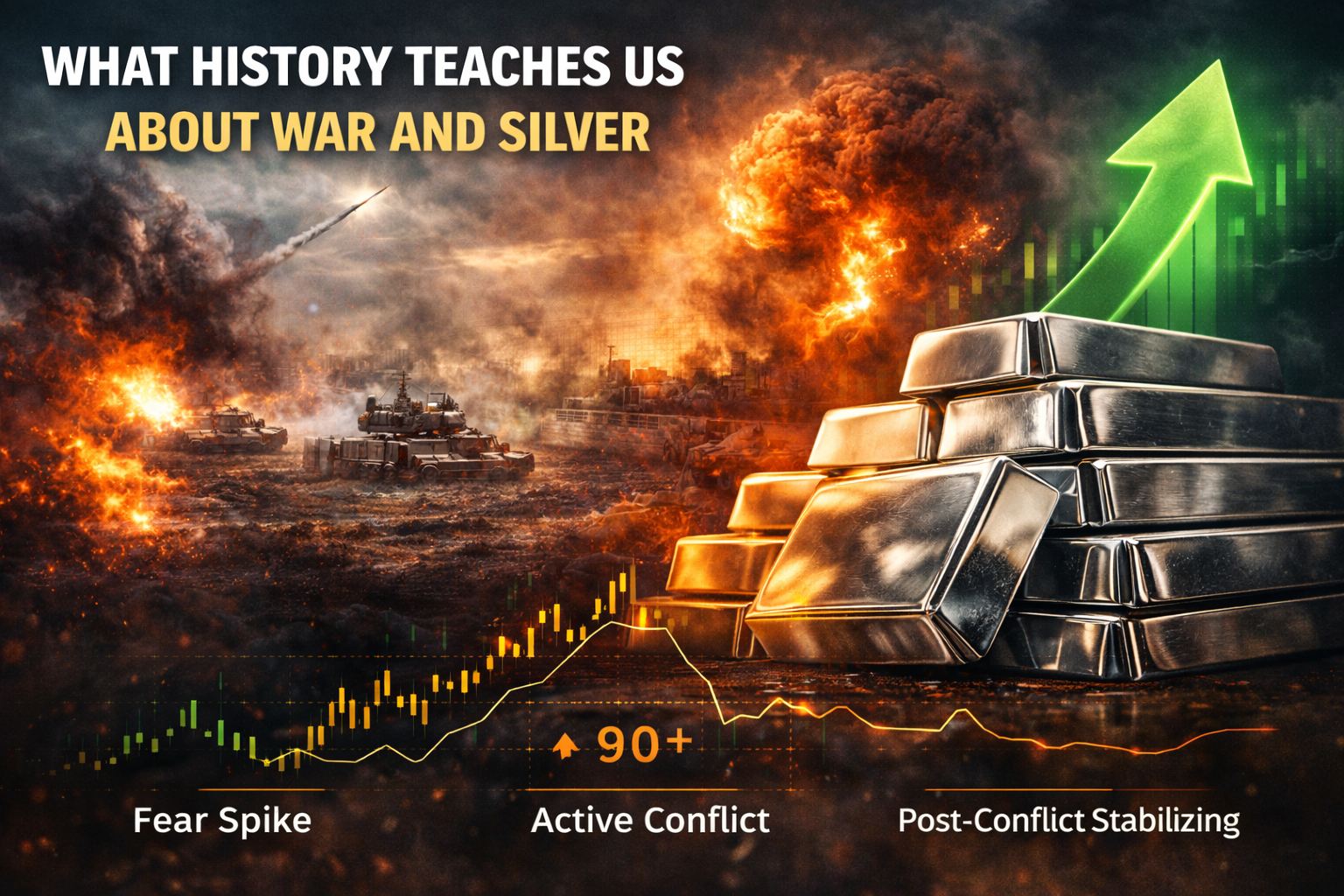
What History Teaches Us About War and Silver
During periods of geopolitical conflict or heightened risk, investors historically rotate into precious metals as protection against uncertainty and currency erosion.
According to LiveMint, Comex silver futures recently rallied on news of U.S.–Iran tensions and military positioning, reflecting increased safe-haven demand.
Meanwhile, Forbes noted silver’s surge amid geopolitical stress and tariff concerns, highlighting renewed demand for defensive assets.
Historically, precious metals tend to move in phases during conflict:
- Fear Spike: Sharp rally during escalation headlines.
- Active Conflict: Increased volatility as markets assess duration and impact.
- Post-Conflict Stabilization: Prices normalize as clarity returns.
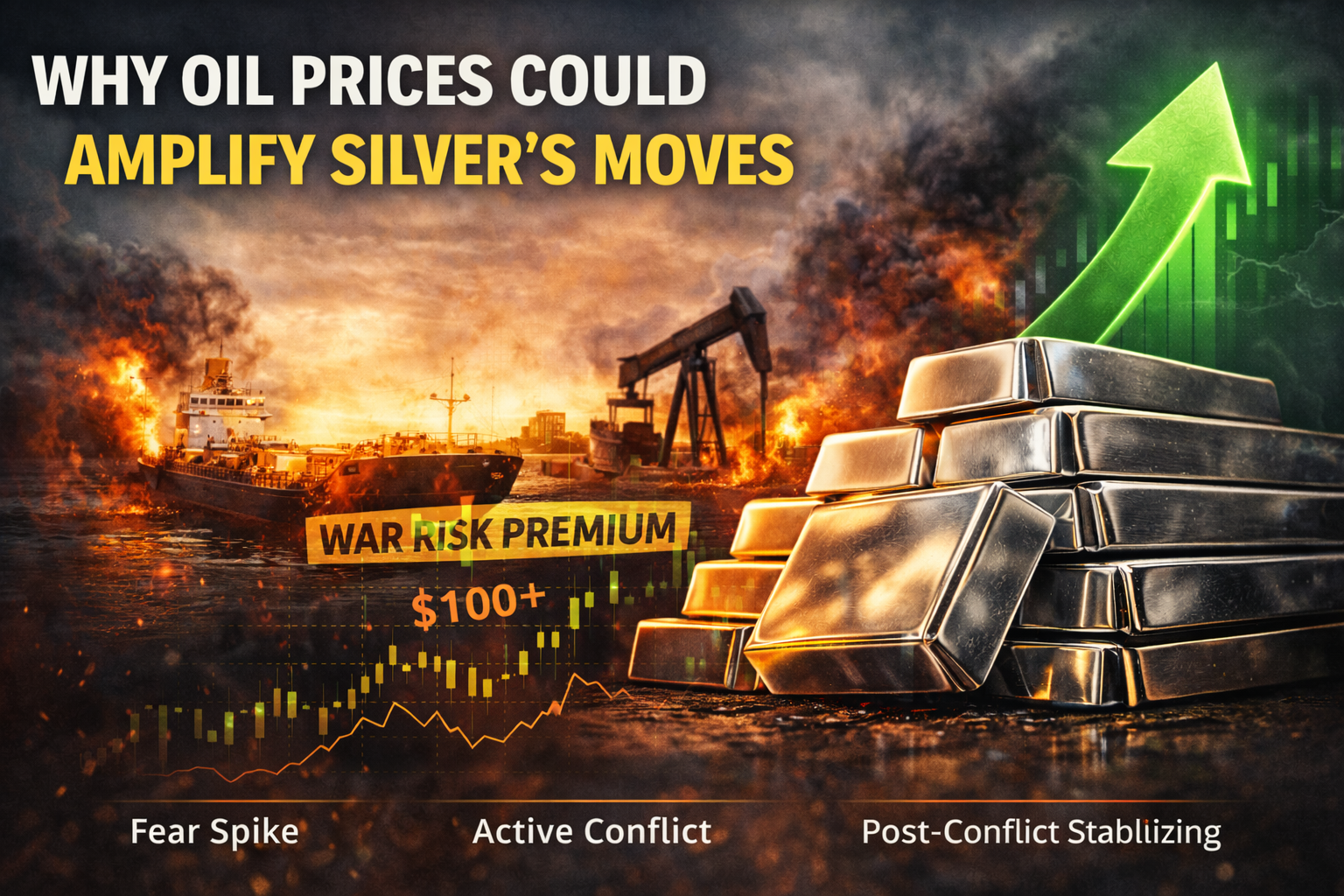
Why Oil Prices Could Amplify Silver’s Moves
Oil often leads inflation — and inflation fuels precious metals demand.
Rabobank analysts note that geopolitical tension is embedding a “war risk premium” into crude oil markets. If Middle East conflict intensifies, crude could surge, accelerating inflation expectations and benefiting non-yielding assets like silver.
If the Strait of Hormuz were disrupted, even temporarily, inflation risk could spike rapidly, pushing traders toward silver and gold as hedges against currency instability.

Silver’s Unique Role: More Than Just a Safe Haven
Unlike gold, silver is both a precious metal and an industrial commodity. This dual identity makes its price action more complex during geopolitical stress.
- Flight to Safety: Investors buy silver alongside gold during risk-off events.
- Industrial Slowdown Risk: Global recession fears may dampen demand.
- Supply Constraints: Tight inventories can amplify upward price moves.
Because of this dual role, silver typically experiences greater volatility than gold — spiking faster during fear-driven rallies while remaining sensitive to broader economic fundamentals.

Expand Your Silver Investing Knowledge
If you’re serious about precious metals, explore these in-depth guides on 925spot.com:
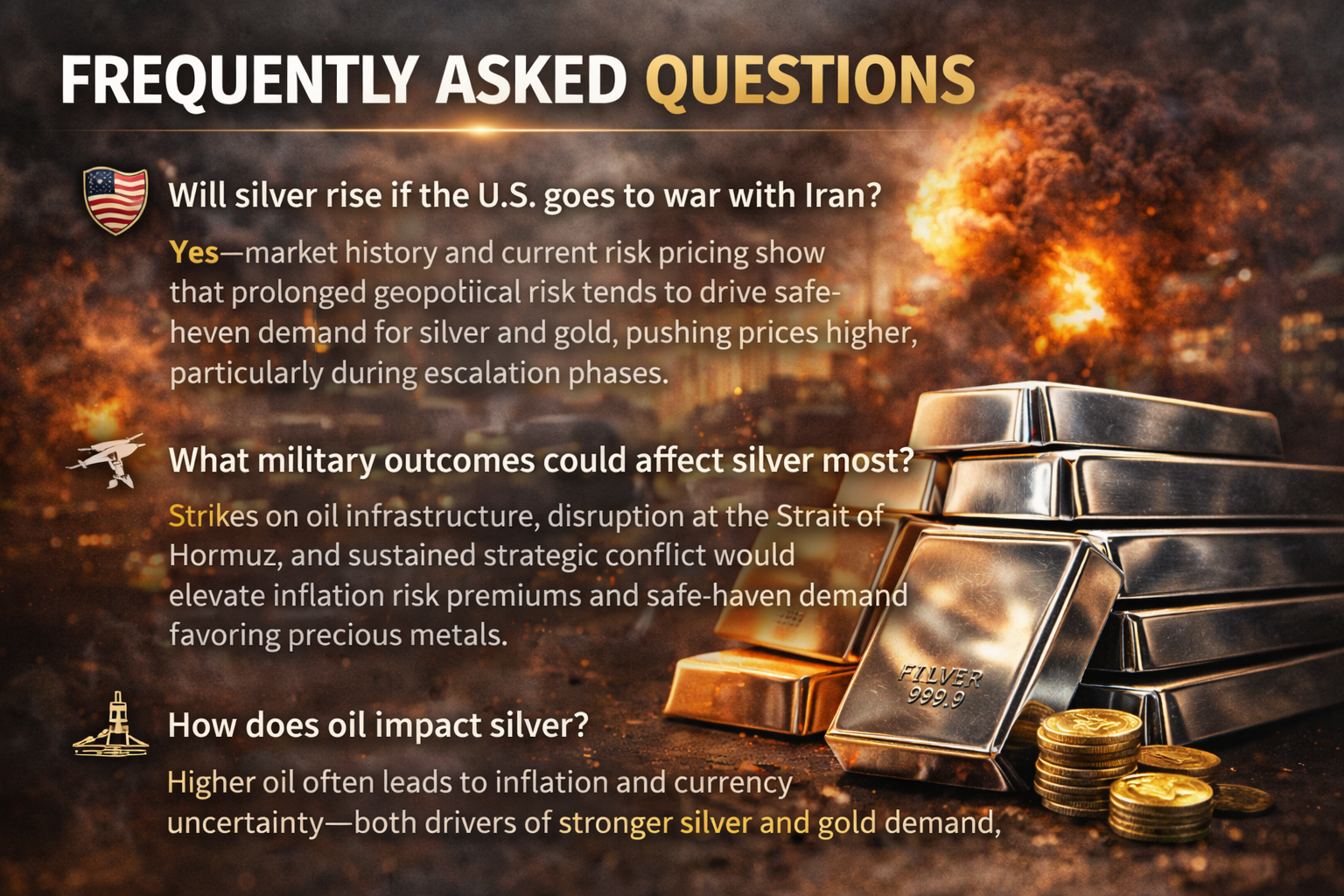
Frequently Asked Questions
Will silver rise if the U.S. goes to war with Iran?
Historically, prolonged geopolitical risk increases safe-haven demand for silver and gold, often pushing prices higher during escalation phases.
What military outcomes could affect silver most?
Strikes on oil infrastructure, disruption at the Strait of Hormuz, or sustained regional conflict would elevate inflation risk premiums and support precious metals demand.
How does oil impact silver?
Higher oil prices often lead to inflation and currency uncertainty, both of which strengthen the case for owning silver and gold.
Is silver a better war hedge than gold?
Silver tends to be more volatile and can spike higher percentage-wise, but gold generally provides more stable safe-haven protection in extended conflicts.