Retail Investors Are Quietly Driving the Silver Market in 2026 — Here’s How They’re Doing It
Something unusual is happening in the silver market in 2026. While headlines focus on prices and volatility, the real story is unfolding underneath — driven by everyday retail investors buying silver in very different ways than before.
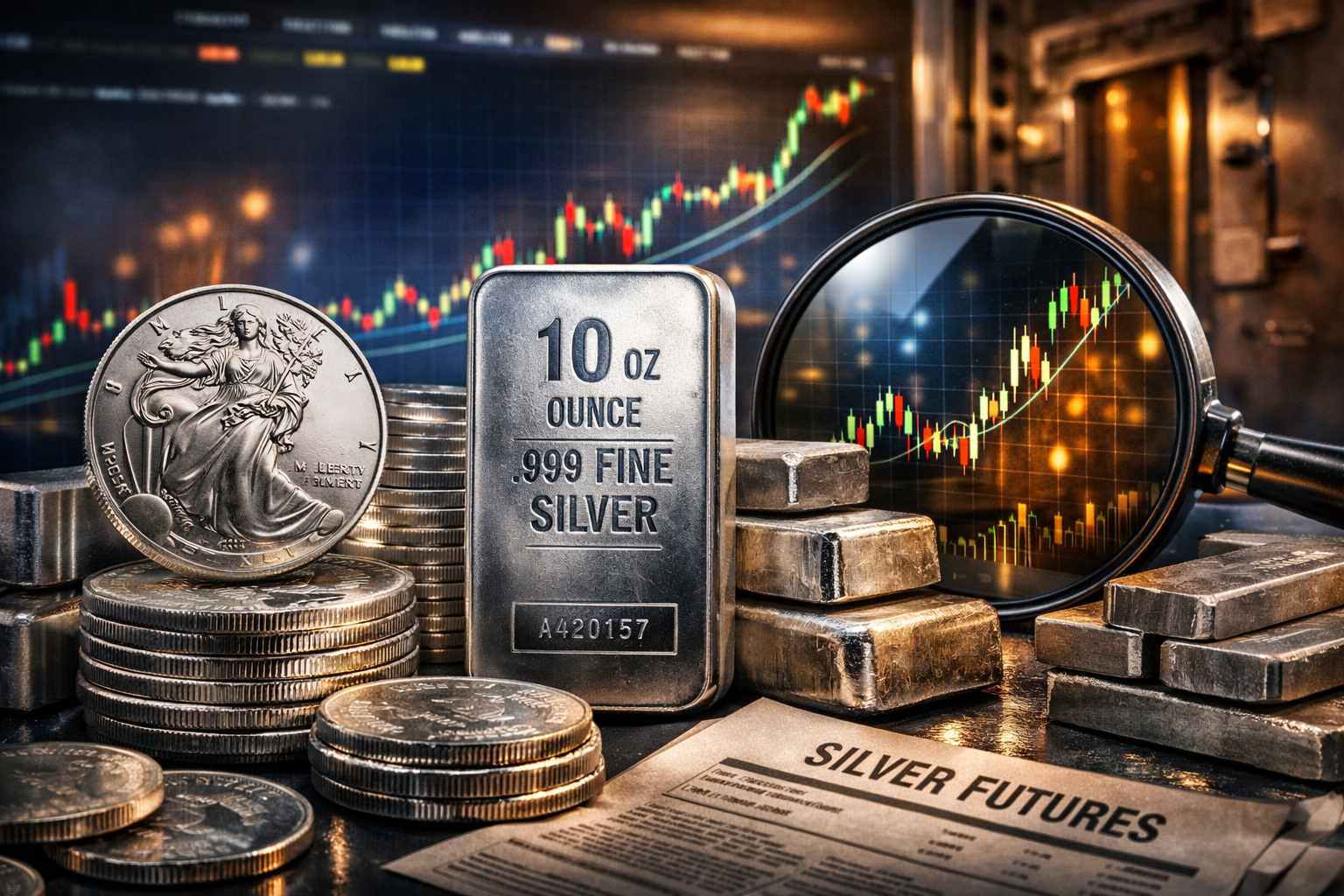
From physical silver coins disappearing from dealer inventories, to massive trading activity in silver ETFs, to rising participation in silver futures, retail money is shaping price movement, liquidity, and sentiment across the entire market.
This is not just another silver rally. It is a behavioral shift.
Below, we break down exactly who is buying silver, how they are entering the market, and why retail demand matters more in 2026 than it has in years.
Why the Silver Market Feels Different This Time
Silver has always been volatile, but when retail investors dominate demand, price behavior changes. Moves become faster, pullbacks sharper, and narratives spread quicker.
In 2026, silver is not being bought for one reason — it is being bought for many, and that diversity of motivation is what makes this cycle unique.
Physical Silver: The “Hold It Yourself” Buyer
Retail investors buying physical silver are not speculating on charts — they are responding to trust, control, and long-term value.
Coins and bars remain the first entry point for many buyers in 2026, especially during periods of market uncertainty. When volatility increases, physical demand often follows.
What retail physical buying looks like right now
- Strong demand for one-ounce coins and rounds
- Preference for recognizable government-minted products
- Increased sensitivity to premiums over spot price
When retail buyers rush into physical silver all at once, the effects show up quickly — not in spot prices, but in availability and dealer premiums.
Silver ETFs: Where Retail Money Moves Fastest
If physical silver is about control, silver ETFs are about speed.
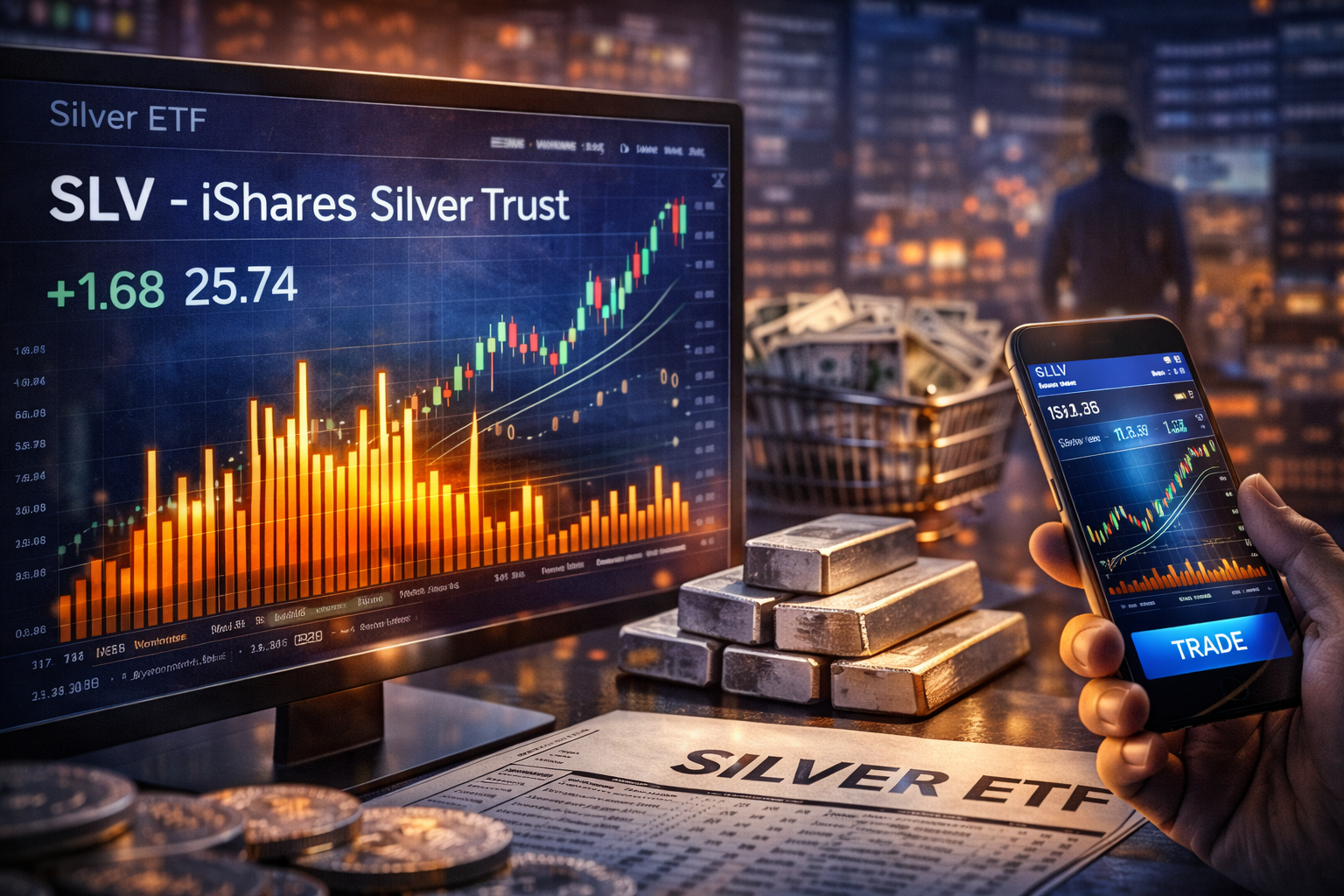
In 2026, many retail investors are using ETFs to gain immediate exposure to silver price movement without dealing with storage, shipping, or resale logistics.
This channel matters because ETF demand can surge quickly — and when it does, it often reshapes short-term price action.
Why ETF flows matter more than headlines
- Large inflows often reflect rising retail participation
- Trading volume spikes signal emotional momentum
- ETF activity influences futures pricing and sentiment
When silver ETFs heat up, the market tends to follow.
Silver Futures: Where Volatility Accelerates
Silver futures attract a different type of retail participant — traders seeking leverage and fast exposure.
This part of the market moves quickly and amplifies both gains and losses. While futures activity does not always reflect physical demand, it plays a major role in short-term price discovery.
In periods where retail trading increases, futures markets tend to magnify volatility rather than smooth it.
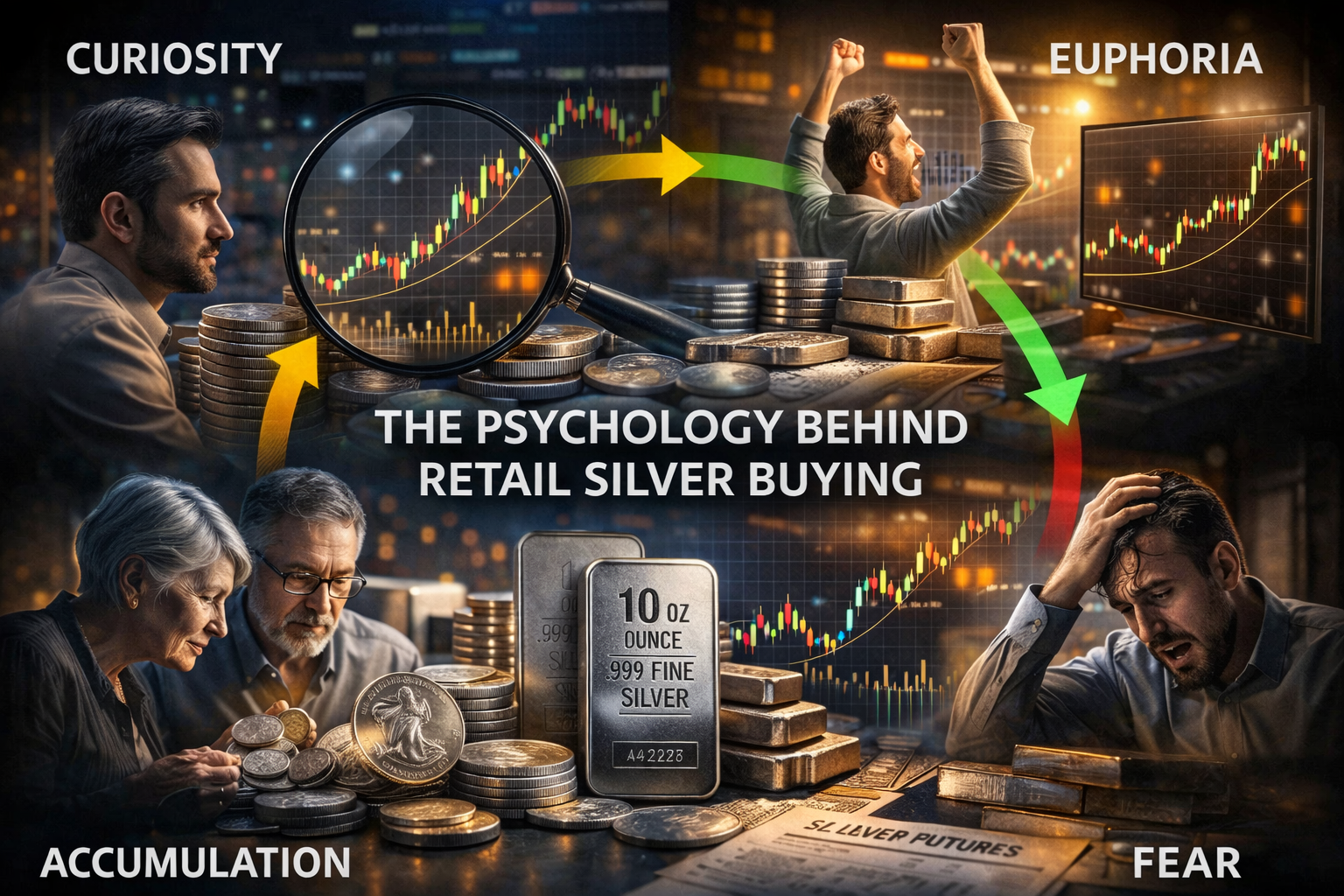
The Psychology Behind Retail Silver Buying
Retail-driven markets behave differently than institution-led ones. Silver is especially sensitive to this effect.
In 2026, silver buying often follows a familiar emotional cycle:
- Curiosity during early price movement
- Confidence as narratives spread
- Euphoria near rapid price increases
- Fear during sharp pullbacks
- Accumulation by patient buyers afterward
Understanding this cycle can matter more than predicting price.
Why this matters now:
When retail investors dominate silver demand, price behavior becomes more emotional and less predictable. Recognizing this dynamic can help investors avoid chasing hype and better understand sudden moves.
The Takeaway
Silver in 2026 is not just reacting to supply and demand — it is reacting to people.
Retail investors are entering the market through coins, ETFs, and futures, each for different reasons. Together, those decisions are reshaping how silver trades, how volatile it becomes, and how narratives spread.
Understanding who is buying silver — and why — may be more valuable than guessing where the price goes next.