How to Tell If Sterling Silver Is Real: 925 Hallmarks, Tests, and Scam Red Flags
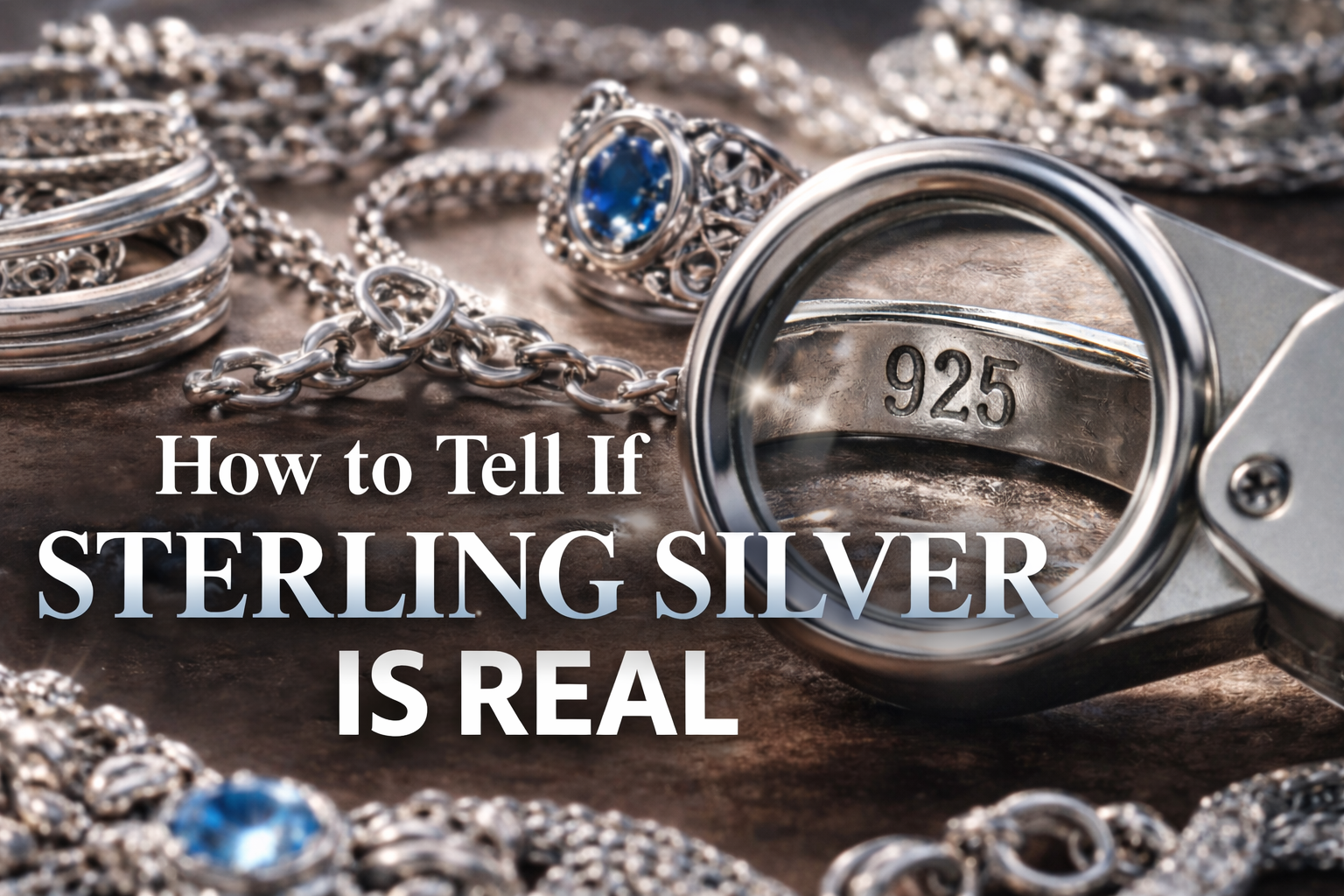
Buying sterling silver jewelry online should be straightforward. In reality, it’s one of the most counterfeited precious metals sold on the internet.
Every day, buyers unknowingly purchase silver-plated brass, zinc alloys, or outright fake jewelry stamped with convincing-looking “925” hallmarks. Many of these pieces pass casual inspection and even fool experienced collectors.
If you’ve ever asked how to tell if sterling silver is real, this guide gives you a professional, no-guesswork framework to protect yourself before you buy.
We’ll explain what 925 actually means on jewelry, how professionals verify silver authenticity, common online scam patterns, and when verified sellers matter most.
What Does “925” Mean on Jewelry?
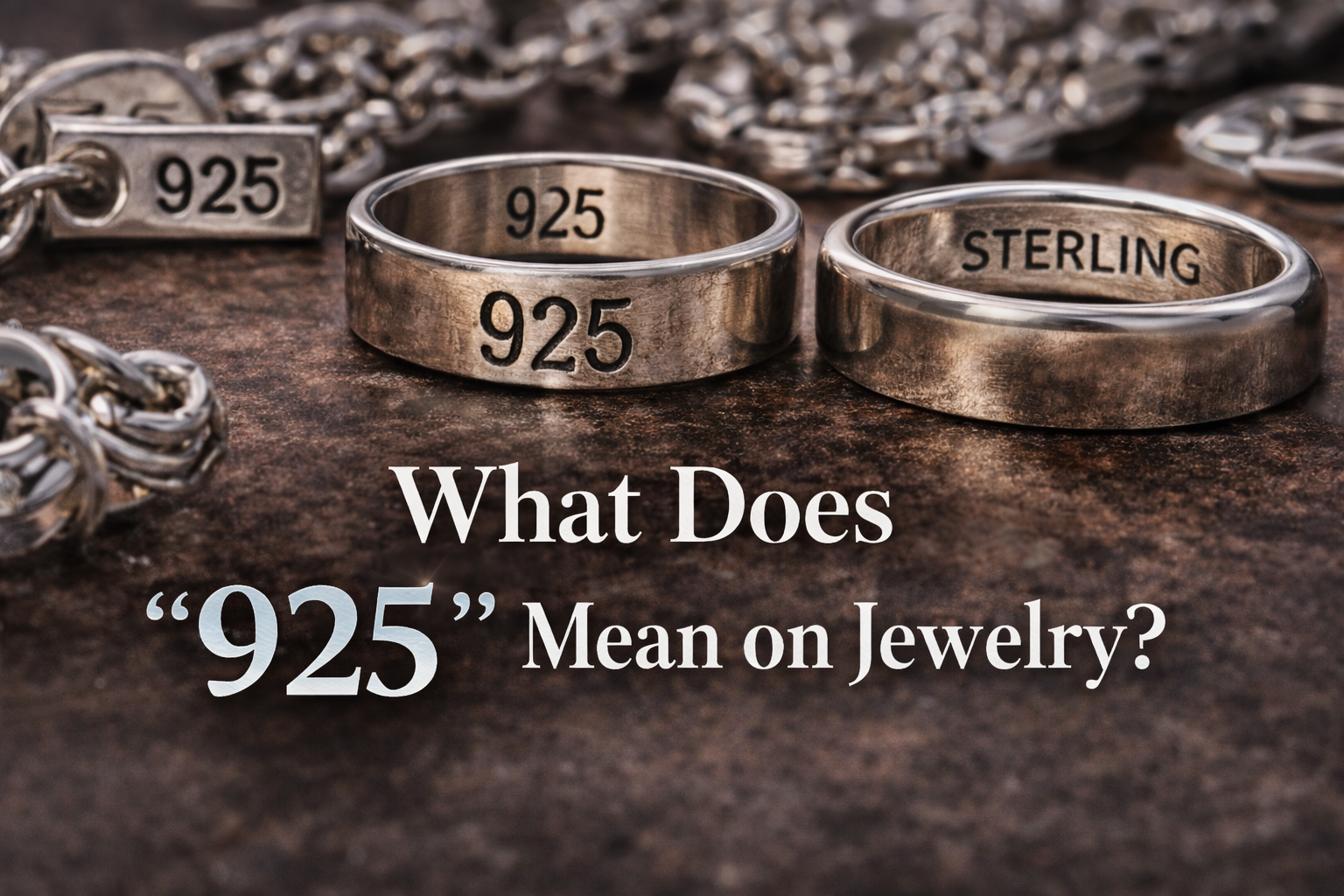
Sterling silver is legally defined as an alloy containing 92.5% pure silver and 7.5% other metals, typically copper. The “925” stamp represents that purity standard.
According to the U.S. Federal Trade Commission (FTC), silver jewelry marked “925” or “Sterling” must contain at least 92.5% silver and also display a maker’s mark identifying the party responsible for the product.
FTC – Buying Platinum, Gold, and Silver Jewelry
What a 925 hallmark does NOT guarantee:
- That the piece is solid silver (it may be plated)
- That gemstones are genuine
- That the hallmark itself is authentic
Modern counterfeiters routinely stamp fake 925 marks. Hallmarks are a necessary first check — but never final proof.
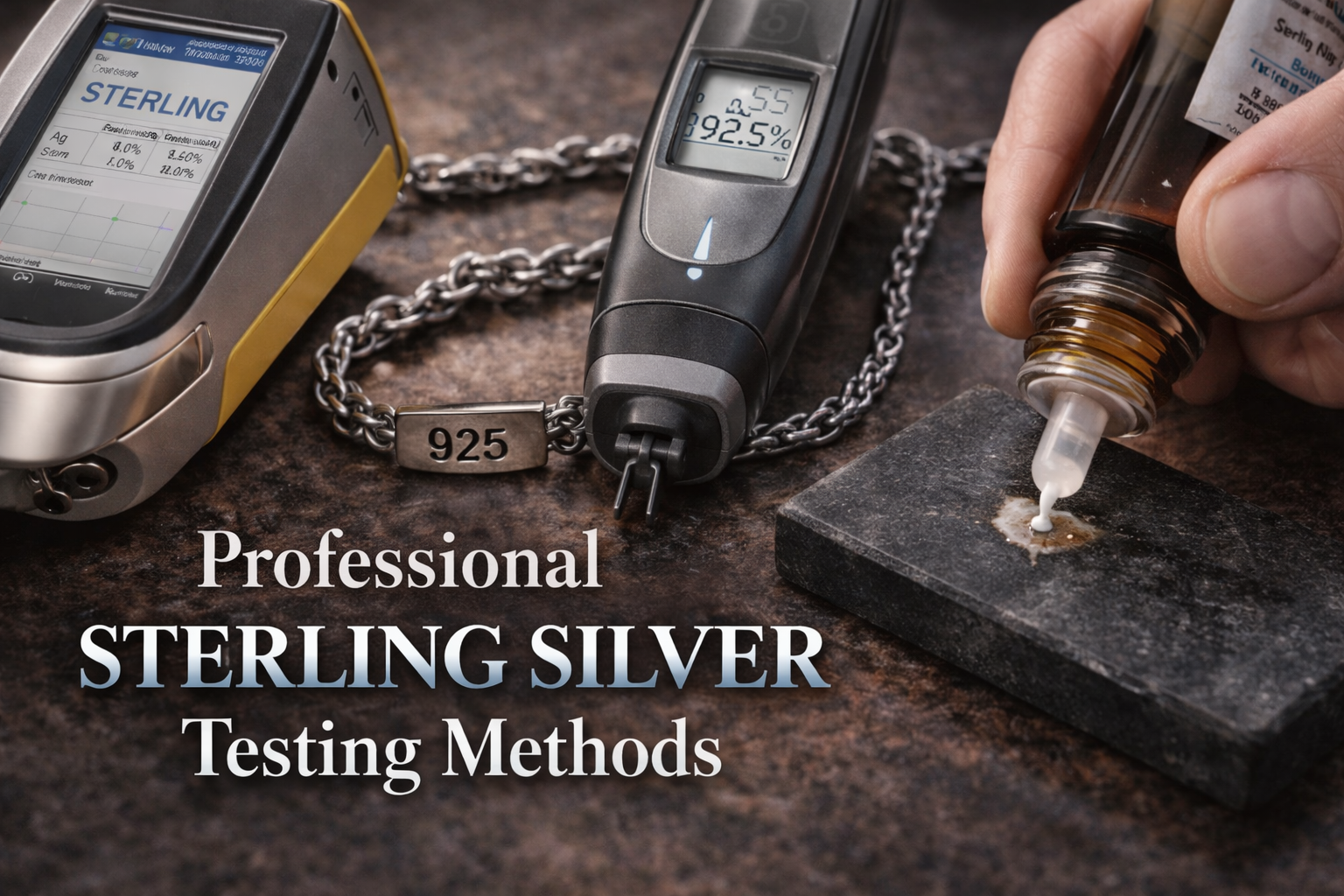
Professional Silver Testing: How Authenticity Is Verified Correctly
Professionals do not rely on a single test. Authentic silver verification follows a hierarchy — starting with non-destructive screening and escalating only when necessary.
Pre-Screening Tests Used Before Acid Testing
These methods are fast, non-destructive, and commonly used by dealers to eliminate obvious fakes:
- Magnet Test: Silver is not magnetic. Any attraction is an immediate fail.
- Weight & Density Check: Silver has a known density. Incorrect weight for size is a major red flag.
- Visual Inspection: Poor casting, sloppy hallmarks, or inconsistent finish often indicate plating.
Passing these tests does not confirm silver — it only justifies further verification.
Professional Acid Testing (When Used Correctly)
Acid testing is one of the oldest verification methods in the precious metals industry. When performed correctly, it can reliably distinguish sterling silver from plated or base metals.
How professionals use acid testing:
- A hidden area is selected (inside ring band, clasp underside).
- A microscopic amount of metal is exposed using a testing stone.
- Silver testing acid is applied and observed for reaction.
- The area is neutralized and cleaned immediately.
Typical reactions:
- Creamy white or light gray → Sterling (.925)
- Green → Brass or copper
- No reaction → Stainless steel or non-silver alloy
Professional buyers understand acid testing is confirmatory, not exploratory. It is never used on collectibles, coins, or high-value jewelry.
JM Bullion – Professional Silver Testing Methods
Why Professionals Often Skip Acid Testing
- It permanently alters metal
- Plated items can pass shallow scratches
- Results are subjective
For valuable pieces, professionals rely on electronic conductivity testing or XRF scanning, which provides precise alloy breakdown without damage.
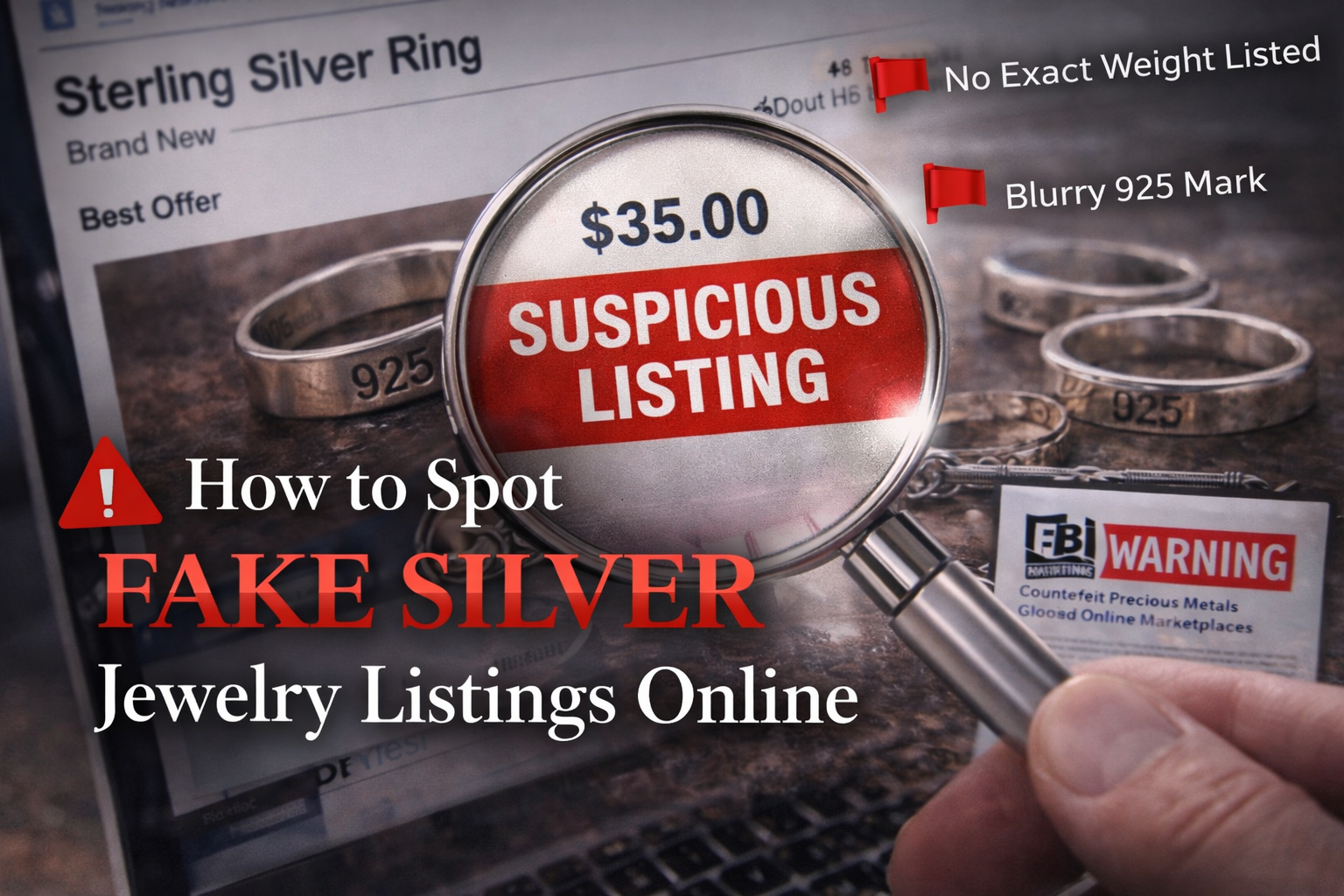
How to Spot Fake Silver Jewelry Listings Online
Most silver scams don’t fail testing — they fail transparency.
Watch for these common red flags on online marketplaces:
- No exact weight listed
- Blurry or missing hallmark photos
- Prices far below melt value
- Pressure to pay off-platform
- “Tested” claims without documentation
The FBI has issued warnings about counterfeit precious metals sold online:
FBI / IC3 Warning on Counterfeit Precious Metals
For a deeper breakdown, read our full investigation:
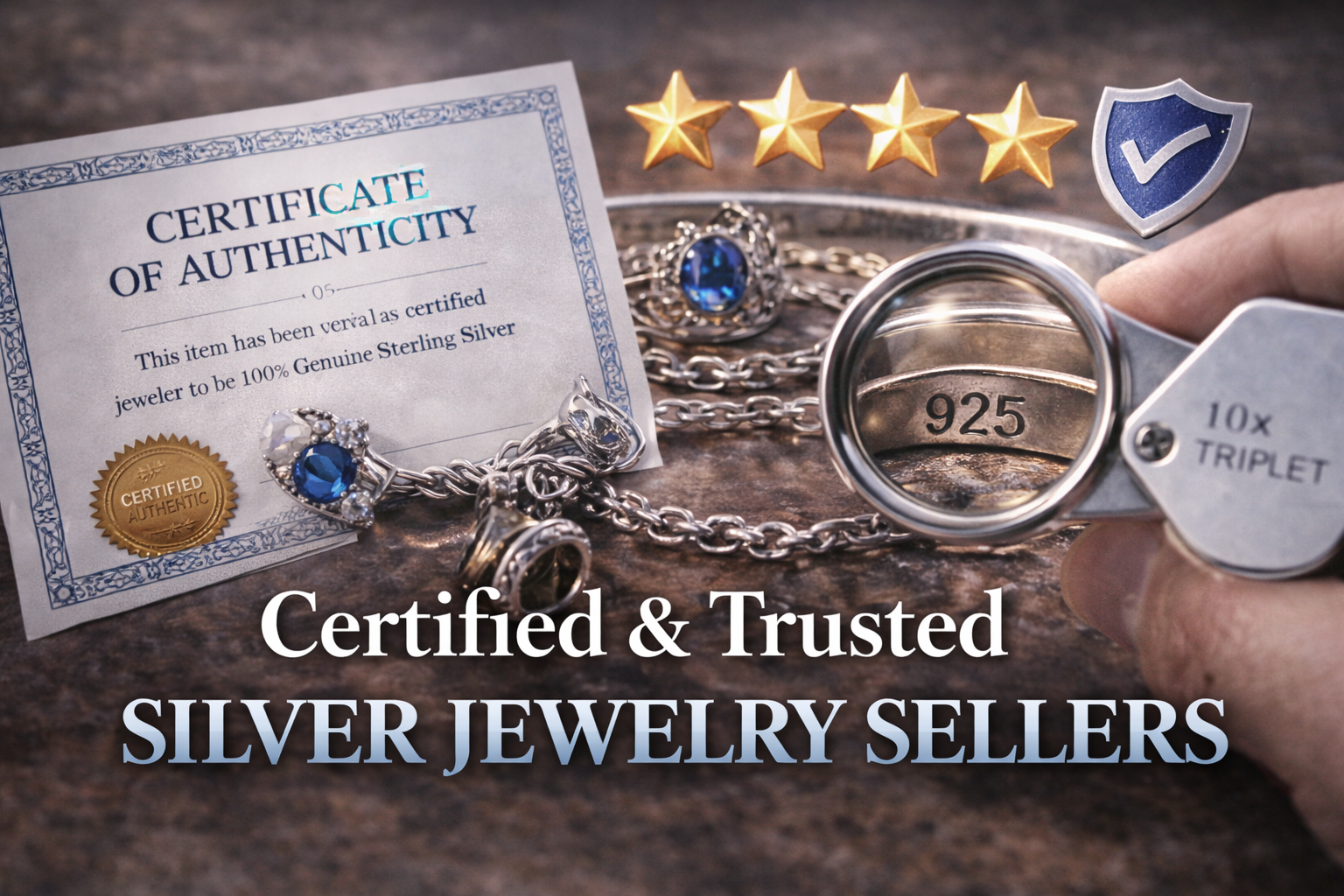
When Buying From Verified Silver Sellers Matters Most
If you view silver jewelry as more than decoration — authenticity becomes critical.
Verified sellers use XRF scanners, density testing, and documented sourcing. While prices may be higher, risk is dramatically lower.
This distinction matters even more for investors:
Is Physical Silver Safer Than ETFs?
Fake physical silver has zero value. Verification is part of ownership.
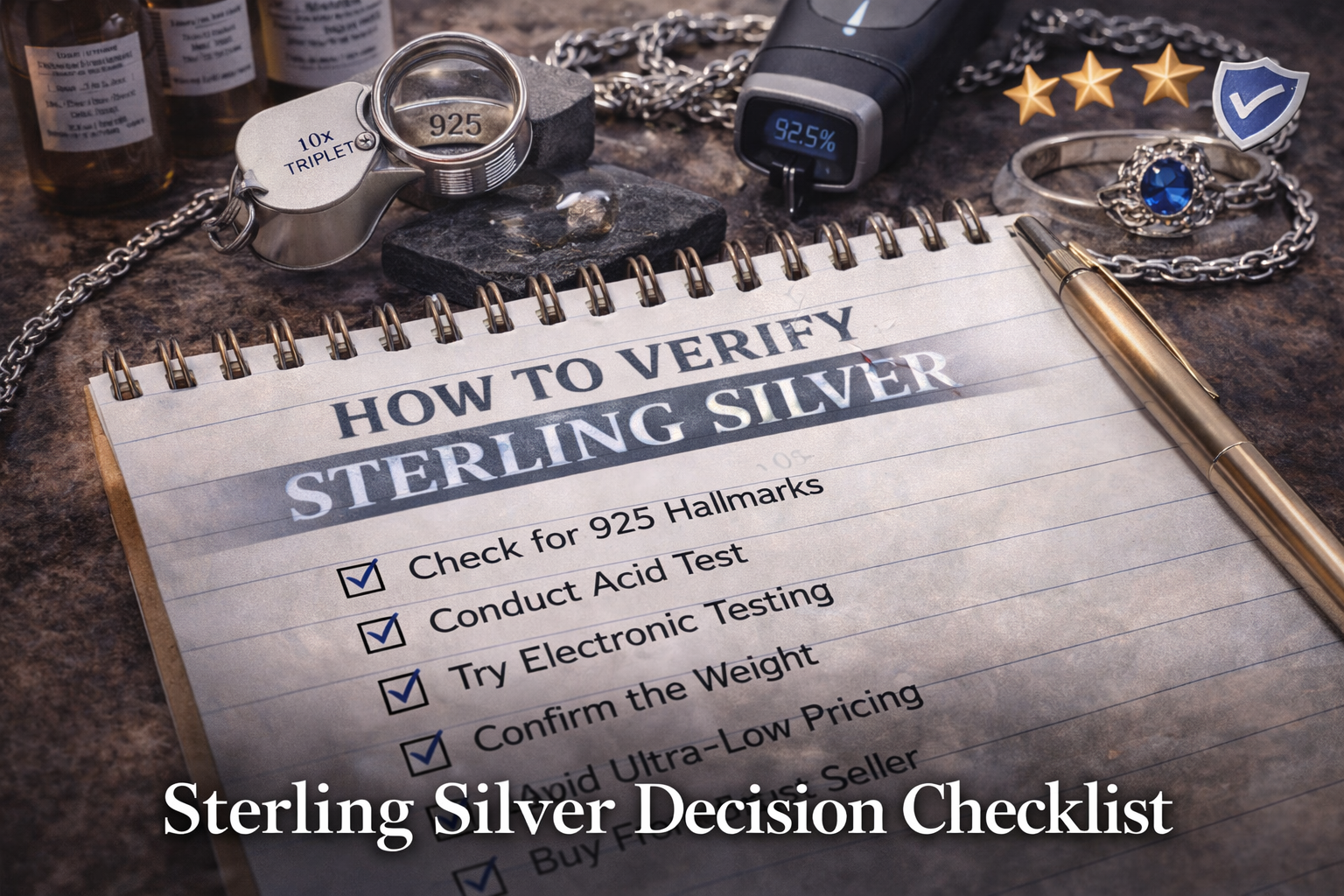
Quick Decision Checklist: Is This Sterling Silver Real?
- Clear 925 or Sterling hallmark?
- Non-magnetic?
- Correct weight for size?
- Price aligns with melt value?
- Seller transparent and reputable?
If any answer raises doubt, pause the purchase.
Final Thoughts
Learning how to tell if sterling silver is real is no longer optional — it’s essential.
Counterfeit techniques are improving, but professional verification standards haven’t changed.
At 925Spot, our goal is simple: help you protect your money, your silver, and your confidence when buying.
Test before you trust.