The 5,000-Year History of Silver Mining: Tools, Brutal Wages & the Explosive 2026 Solar Boom
5,000 Years of Tools • Brutal Wages • Worker Stories • Uses • Evolution • And Why It All Matters for the 2026 Solar Boom & Silver Demand
Jump to Section
Every ounce of silver you hold today carries 5,000 years of human sweat, ingenuity, blood, and breakthrough technology. From Bronze-Age stone picks in Turkey to today’s autonomous AI-powered haul trucks, silver mining has built empires, funded global trade, paid (and sometimes destroyed) millions of workers, and now fuels the green revolution.
At 925Spot, this is the deepest, most complete history you’ll find anywhere — real wages, worker conditions, tools, chemicals, uses per era, and the direct line to the 2026 solar & AI demand explosion.
Watch: Full 5,000-year silver mining documentary (science, history & future outlook)
1. Ancient Origins (3000 BCE): Stone Picks, Bronze Chisels & the Birth of Cupellation
Silver mining began around 3000 BCE in Anatolia (modern Turkey). Miners used basic stone hammers, bronze picks, chisels, wedges, and fire-setting (heating rock with fire then pouring cold water to crack it). They dug shallow open pits and narrow underground galleries by hand.
The breakthrough technology was cupellation — heating lead-silver ore in bone-ash cups so the lead oxidized away, leaving pure silver. This let ancient civilizations create the first “hacksilver” currency and jewelry.
By 1200 BCE, Greece’s Laurium mines (worked by slaves under brutal conditions) funded the Athenian navy and empire. Workers earned almost nothing — often just survival rations — and died young from dust and cave-ins. Silver became the backbone of Mediterranean trade and the first true coins in Lydia (~600 BCE).
2. The Spanish Silver Empire (1545–1800s): Potosí — “The Mountain That Eats Men”
In 1545 the Spanish discovered Cerro Rico de Potosí in Bolivia. This single mountain produced more silver than the entire Roman Empire. It created the first global economy and let Spain trade with China for silk and porcelain.
Tools & methods: Wooden windlasses, mercury amalgamation (mixing toxic mercury with ore), water-powered stamp mills. Miners climbed thousands of feet on rickety ladders carrying 100+ lb loads.
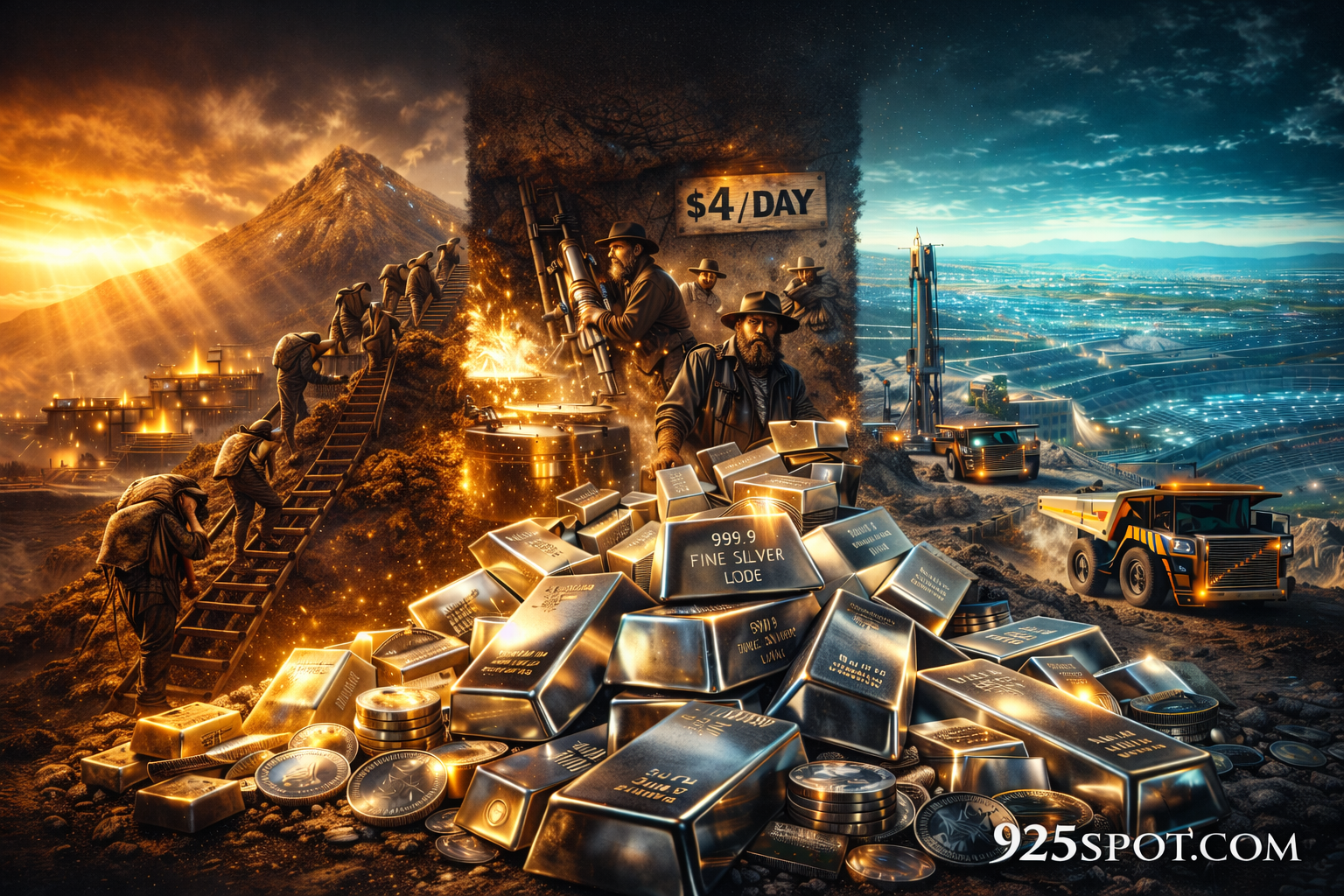
Wages & worker reality: The brutal mita system forced Indigenous men into 6-month shifts. Pay was minimal (often 1–2 reales/day — barely enough for food) while Spanish owners became some of the richest people on Earth. Death rates were catastrophic: silicosis, mercury poisoning, cave-ins, and exhaustion. Historians estimate hundreds of thousands died. Potosí silver literally changed the price of silver worldwide and fueled inflation across Europe and Asia.
Watch: The untold story of Potosí — the silver mine that changed the world
3. The American Silver Rush (1859–1893): Comstock Lode — $4/Day Wages & the Wild West
Nevada’s 1859 Comstock Lode discovery triggered America’s greatest silver boom. Virginia City went from desert to metropolis overnight.
Tools & evolution: Black powder → dynamite (1867), steam-powered drills, massive Cornish pumps (some costing $410,000 in today’s money), square-set timbering to prevent cave-ins, and railroads.
Wages & costs: Union miners earned a premium $4 per day (the highest industrial wage in America at the time) plus room & board in many camps. But danger was extreme: 120°F+ heat underground, floods, explosions, and cave-ins. Companies spent millions just keeping the mines dry and stable. This era turned silver into a true industrial metal and helped build the U.S. economy.
Watch: How the Comstock Lode transformed America
4. 20th Century Revolution: Mechanization, Chemistry & Mass Production
Electric drills, froth flotation (using xanthates and pine oil to float silver particles), and cyanidation (weak sodium cyanide solution that dissolves silver — still the dominant method today with modern safety controls) changed everything.
Open-pit mining replaced many deep underground operations for low-grade ores. By the mid-1900s, over 50% of all silver ever mined in history had been extracted thanks to these advances. Silver shifted from mostly monetary/jewelry use to over 50% industrial.
Watch: Real footage of today’s massive silver mining & processing
5. Silver Mining Today (2026): Autonomous Machines, Cyanide Leaching & Byproduct Dominance
More than 70% of new silver now comes as a byproduct of copper, lead, and zinc mines. Open-pit giants use driverless haul trucks; underground operations run on electric drills and AI ventilation. The process: crush → grind → flotation → cyanide leach → electrolytic refining to 99.99% pure bars.
Read our latest report: Silver Mining Cost Per Ounce 2026.
Watch: Complete modern silver extraction & refining (2026 update)
SILVER MELT
VALUE CALCULATOR
REAL-TIME • PRECISE • INSTANT
THE ONLY CALCULATOR IN THE WORLD THAT:
Shows true real-world value of your silver — broken down by category:
Coins • Jewelry • Scrap • Bullion
Automatically calculates live pawn, refinery & coin shop buying ranges.
6. Looking to the Future: AI Automation & the Explosive 2026 Solar Boom
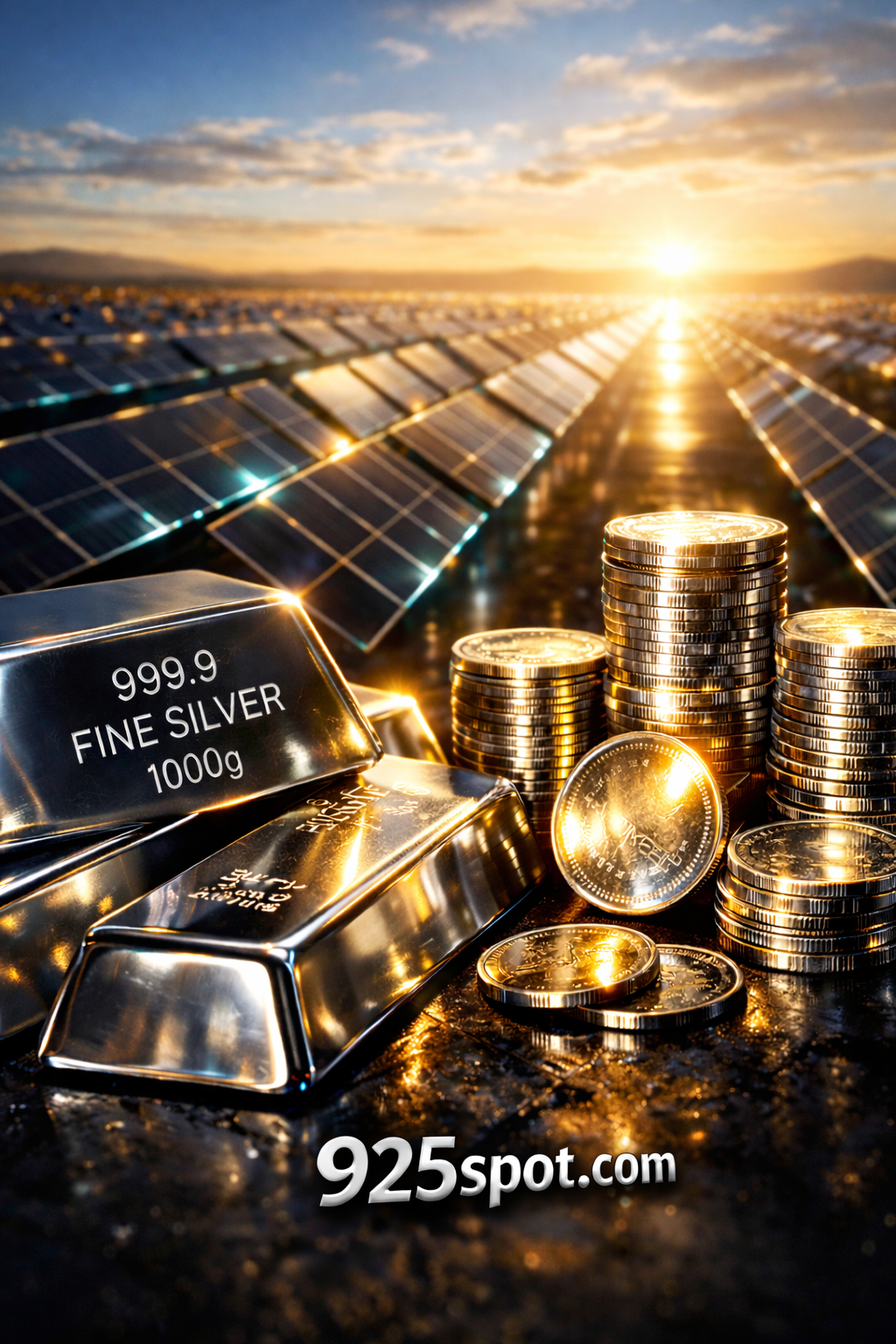
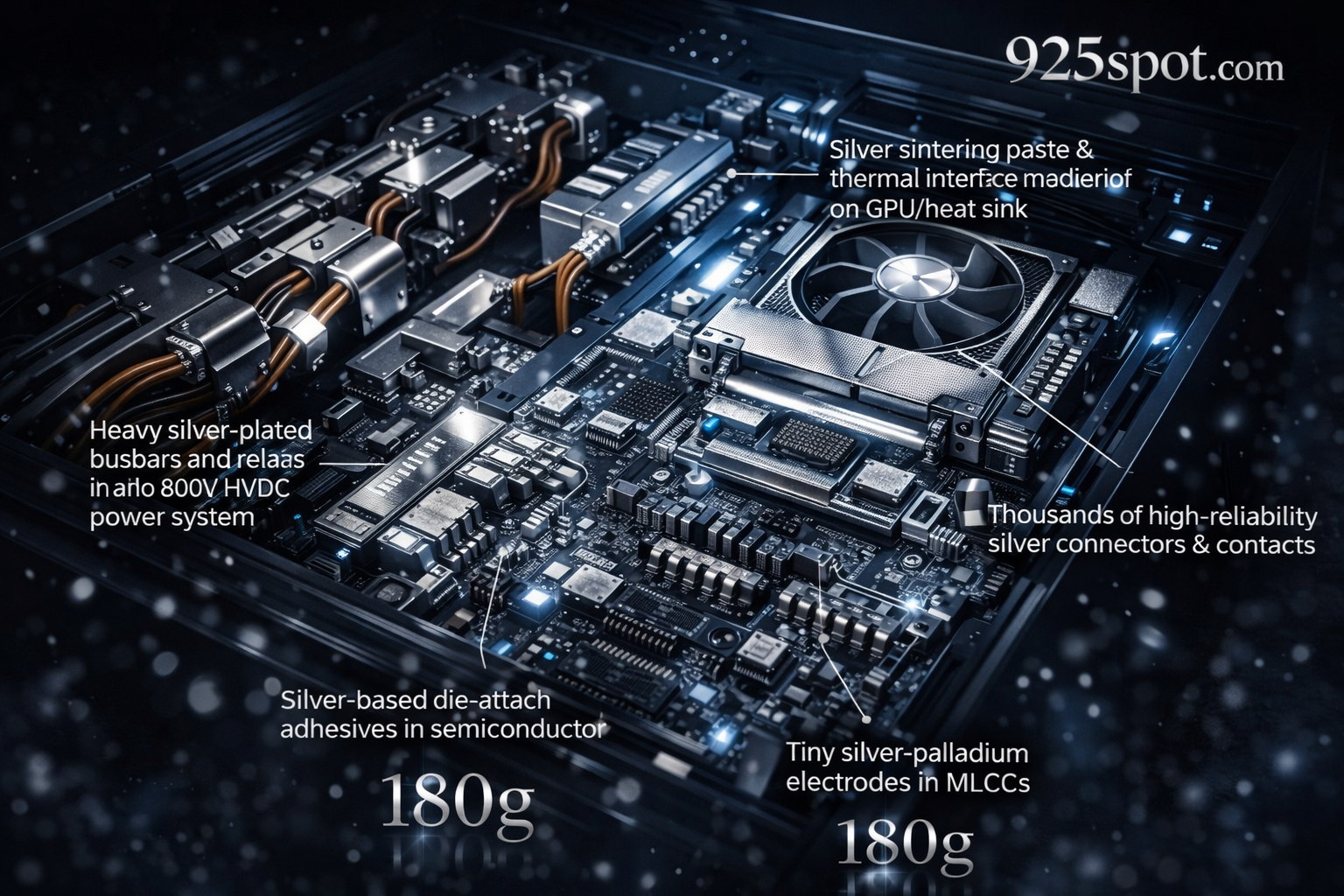
Mine production sits around 820 million ounces in 2026, but demand is in its 6th straight year of deficit. Solar alone now consumes over 160–200 million ounces annually (each new TOPCon panel uses more silver). AI data centers, EVs, 5G, and electronics push total demand even higher.
Future tech: fully autonomous fleets, AI ore discovery, electric underground equipment, and “green” mining with recycling (already 25% of supply) and reduced cyanide. Prices could surge dramatically if deficits continue.
Deep dive here: The Solar Boom & Silver Demand 2026 and Full Silver Market Analysis.
Watch: Why the 2026 silver shortage is about to reshape solar and the entire green economy
Ready to Own a Piece of This 5,000-Year Story?
📖 Ultimate Silver Education Guide
📊 Silver History Category
📩 Contact 925Spot
• Silver Recycling & Above-Ground Stocks 2026
• Silver Price Prediction 2026
• How to Test Silver (The Silver Hub)
Written by the 925Spot Research Team • Updated March 2026