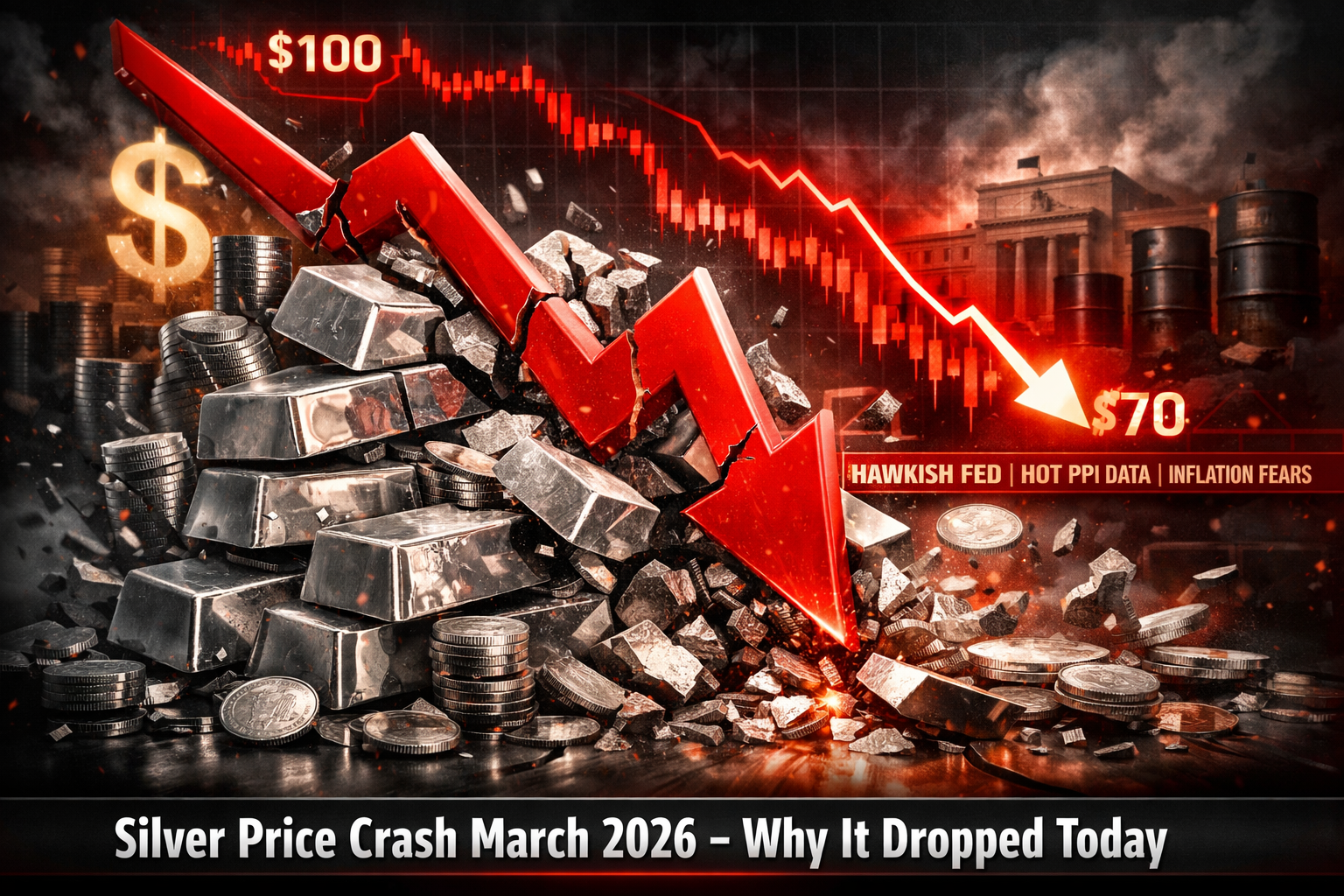
Did J.P. Morgan Manipulate the Silver Market in January 2026? Here’s What We Know — And What It Means for Silver Buyers
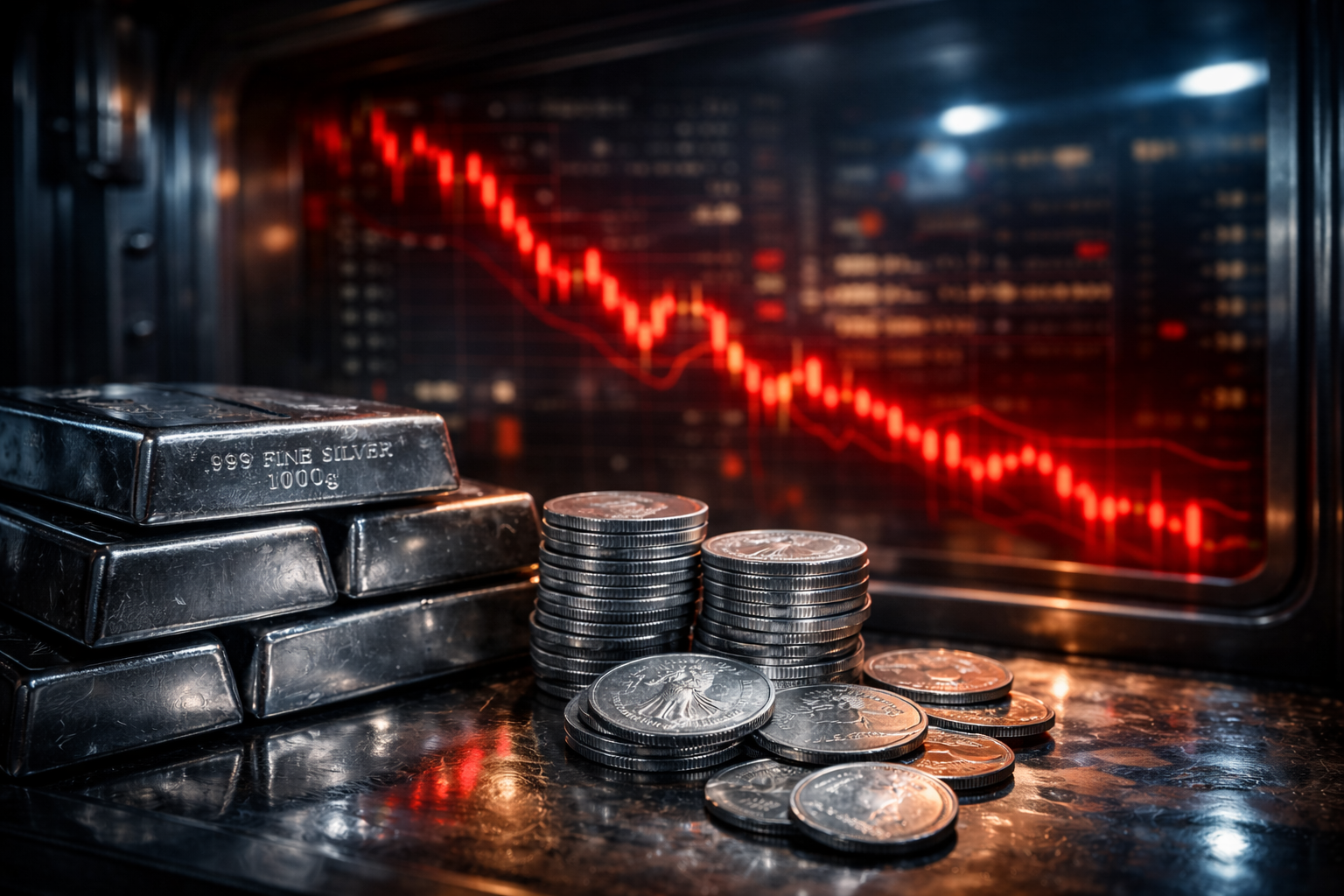
In January 2026, silver prices moved sharply — and fast. For many physical silver buyers, the timing felt familiar. Paper prices fell hard, sentiment shifted overnight, and once again, the same question resurfaced across investor forums:
Was the silver market being pushed around — again?
At the center of the discussion was one familiar name: J.P. Morgan.
This article breaks down what actually happened, what is proven, what remains alleged, and — most importantly — how large financial institutions can legally influence silver prices without ever touching a single ounce of physical metal.
No hype. No conspiracy language. Just facts, history, and plain-English explanations.

Why J.P. Morgan Is Always Mentioned in Silver Market Controversies
J.P. Morgan has long been one of the most influential institutions in the global silver market, not because of conspiracy, but because of its outsized role in futures trading, physical vaulting, and market-making activities.
That alone doesn’t imply wrongdoing. But history matters.
In 2020, J.P. Morgan pleaded guilty to federal charges related to precious metals spoofing and agreed to pay over $920 million in fines to U.S. regulators. The misconduct occurred years earlier, but the case permanently changed how traders and regulators view large banks in metals markets.
Because of that precedent, any sharp or unusual silver price movement naturally draws extra scrutiny when large banks hold concentrated futures positions.
That context is critical when discussing January 2026.
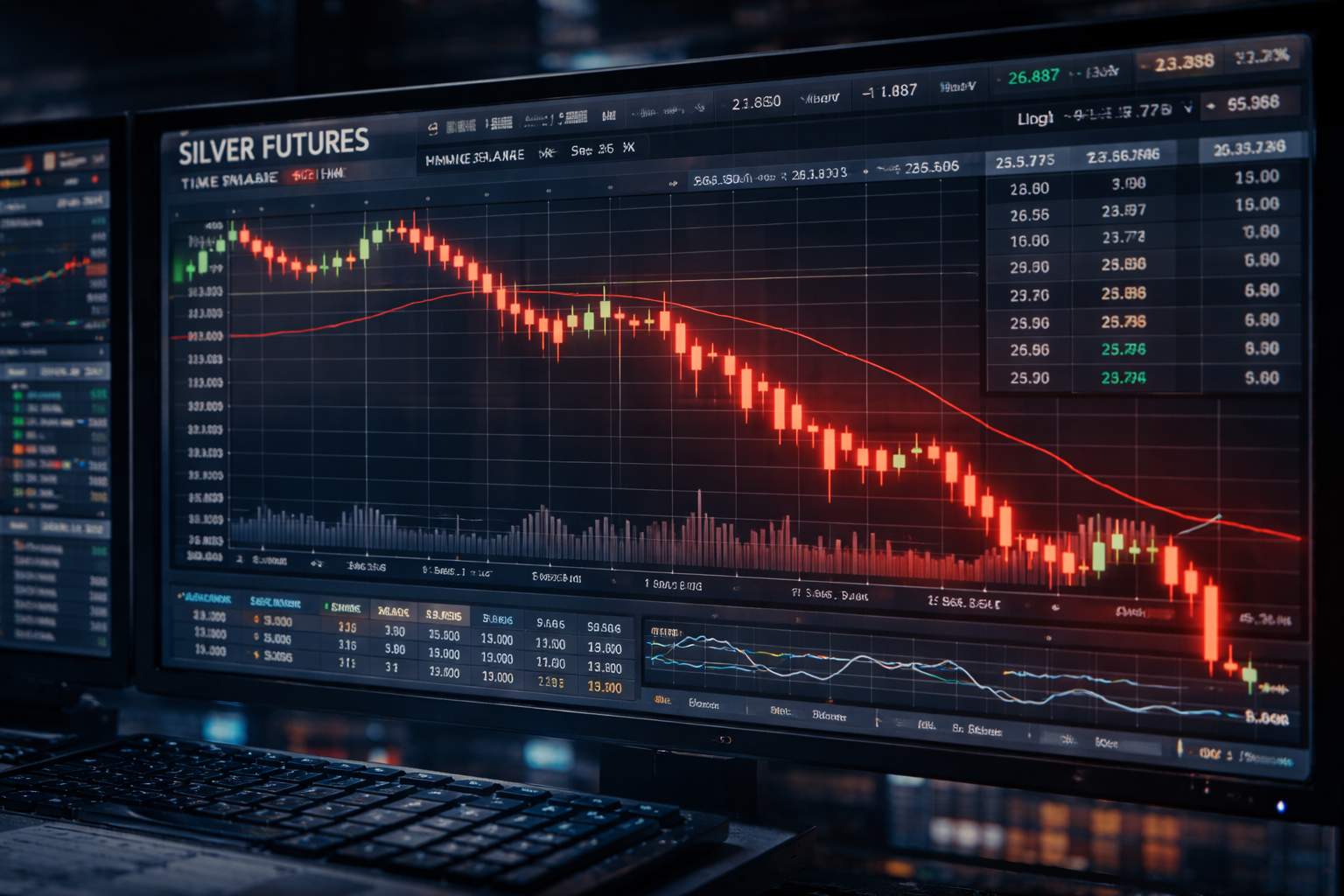
What Actually Happened to Silver Prices in January 2026
In early January 2026, silver experienced a rapid price pullback following:
- A surge in short-term futures volume
- Heavy selling during low-liquidity trading hours
- Increased volatility around COMEX expiration windows
Market data showed that large institutional traders dominated order flow during the move — something that can be verified through Commitments of Traders (COT) reports published by the CFTC.
Importantly, no regulator has accused J.P. Morgan of illegal manipulation related to January 2026 trading as of this writing.
However, legality does not always equal neutrality — and this is where confusion begins.

In Plain English: How the Silver Market Can Be Influenced Without Breaking the Law
Most people assume silver prices move because people buy or sell physical silver. In reality, paper silver sets the price.
Here’s how it works in simple terms:
1. Futures Contracts Control the Price
Silver prices are primarily set on futures exchanges like COMEX. These are contracts — not bars — promising future delivery.
More than 100 ounces of “paper silver” trade for every ounce of real silver available.
2. Big Players Trade Size, Not Metal
Large banks can sell massive futures positions in seconds. This creates the appearance of overwhelming supply — even if no physical silver is moving.
3. Price Drops Trigger Automated Selling
When prices fall fast, algorithms, stop-loss orders, and ETFs react automatically, accelerating the drop.
This process is often called price discovery. Critics call it price pressure.
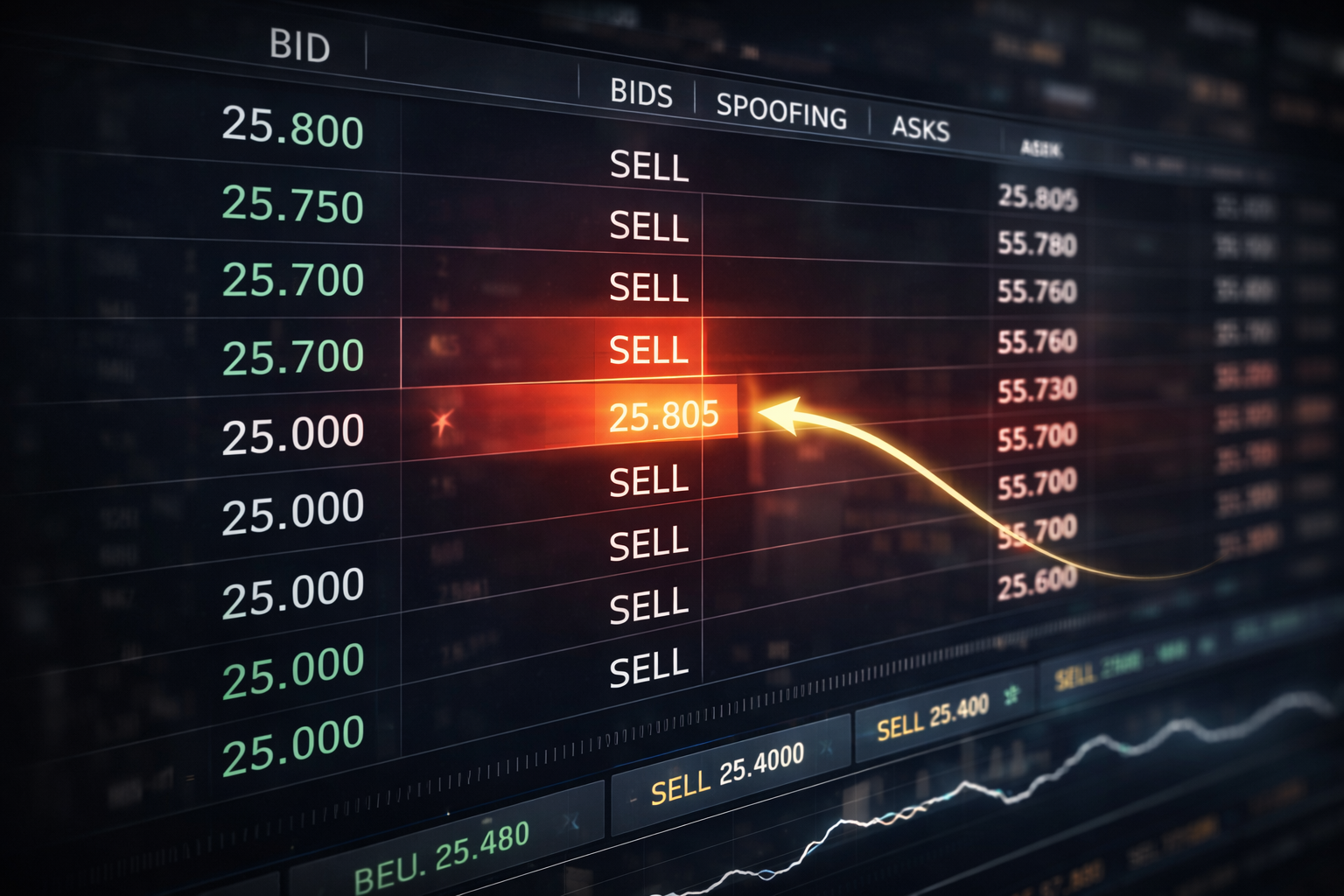
Spoofing Explained — And Why People Are Sensitive After J.P. Morgan’s Past
Spoofing is illegal. It involves placing large fake orders to move price, then canceling them before execution.
That is not what has been proven to have occurred in January 2026.
However, J.P. Morgan’s prior guilty plea means traders now watch closely for:
- Sudden order book imbalances
- Short-term price suppression near contract expiration
- Repeated downside pressure during thin trading hours
When these patterns appear — even legally — they reignite distrust among physical silver holders.

Was It Legal? Probably. Was It Ethical? That Depends Who You Ask.
As of now:
- No January 2026 enforcement action exists
- No charges have been filed
- No rule violations have been publicly confirmed
But ethical concerns remain.
When a handful of institutions can move prices using paper leverage far exceeding physical supply, long-term silver buyers question whether the market reflects real scarcity.
This is why physical silver continues to attract people who want ownership, not exposure.
Why Everyday Silver Buyers Care About All of This
If you own physical silver, short-term paper volatility doesn’t change how many ounces you hold.
But it does affect:
- Entry prices
- Investor psychology
- Mainstream narratives about silver demand
Many experienced stackers see price drops driven by paper markets as opportunities — not warnings.
Understanding the difference between owning metal and owning a financial product is key.
The Bottom Line
There is no confirmed evidence that J.P. Morgan illegally manipulated silver in January 2026.
There is evidence that large institutions can heavily influence prices through legal futures activity — and history shows that trust, once broken, is slow to return.
For physical silver holders, the lesson remains unchanged:
Paper markets set the price. Physical metal preserves value.
Knowing the difference is what separates short-term noise from long-term conviction.