Lion Passant Hallmark: History & Meaning

Imagine turning over a 480-year-old silver spoon in your hand. In the light you spot a tiny lion, one front paw raised, striding forward as if on eternal guard. That single stamp has survived kings, wars, tax rebellions, two world wars, and the digital age — and it still guarantees 92.5% pure silver in 2026. This is the complete, dramatic story of the Lion Passant — the most enduring hallmark in British history and the very first symbol most collectors learn to recognise.
This deep dive is part of the Silver Hub on 925spot.com, your go-to place for sterling silver education, verification, and market insights.
What the Lion Passant Actually Means
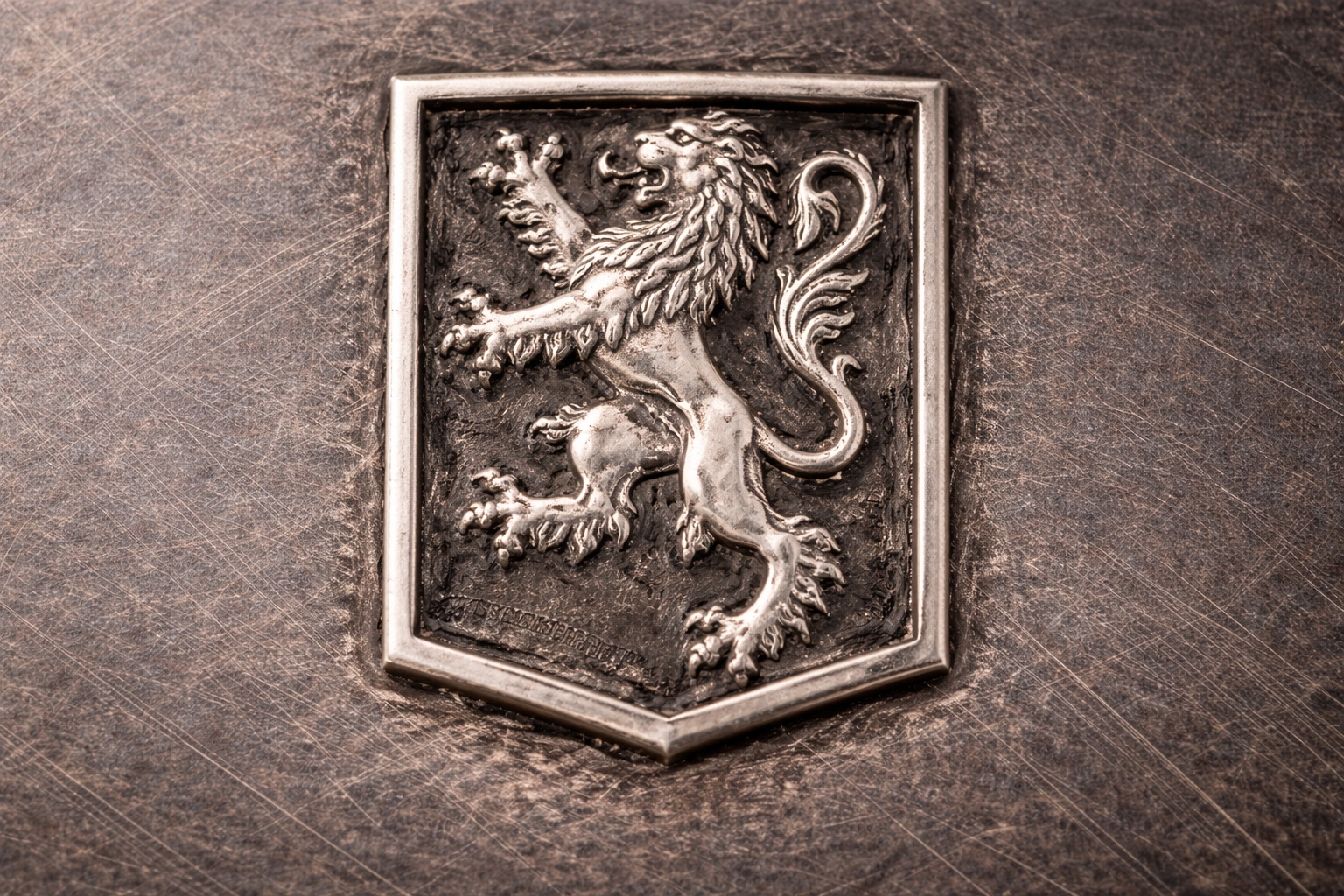
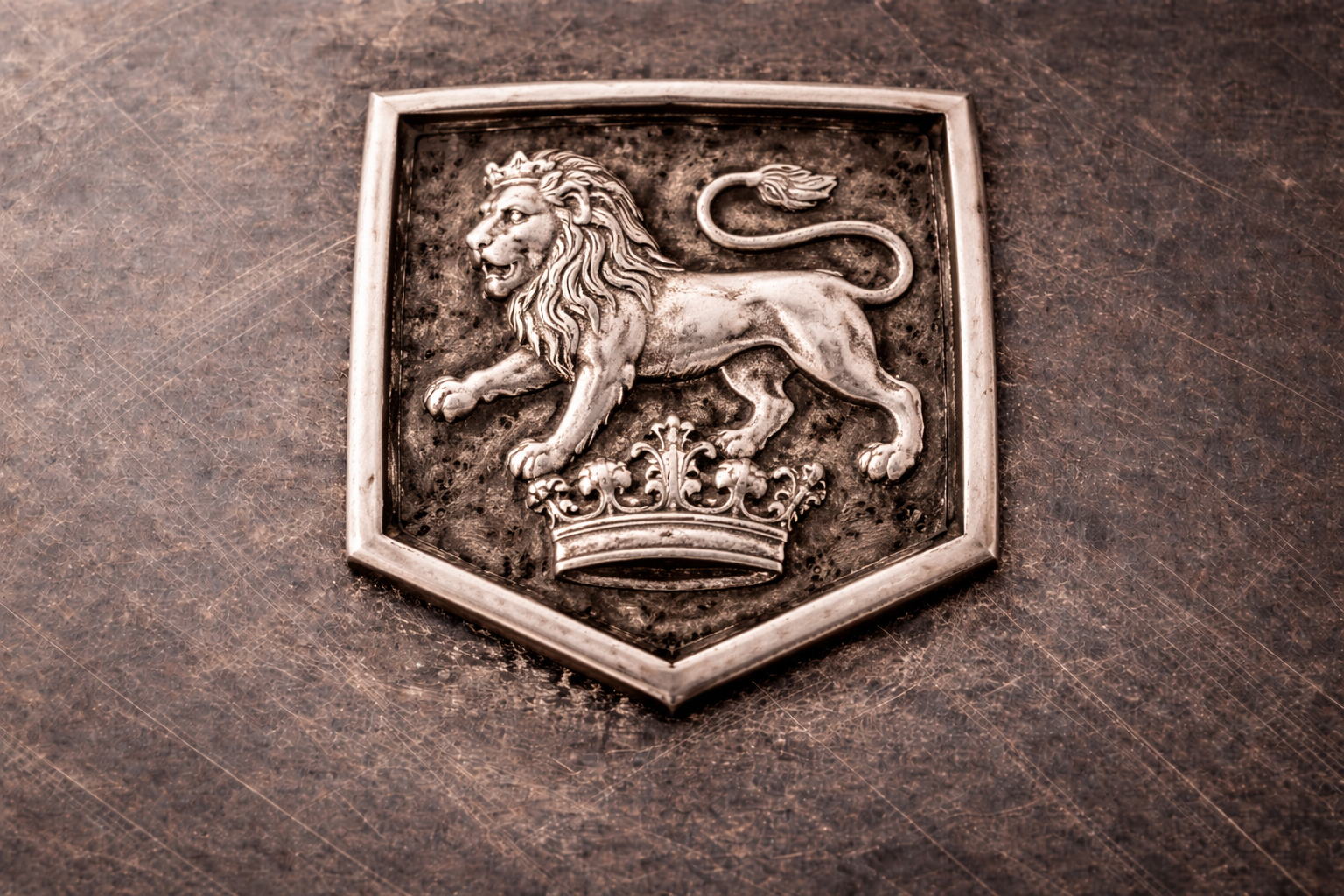
The Lion Passant is the official sterling standard mark. It certifies that the silver is exactly 92.5% pure (.925 fineness) — the legendary alloy that has defined British silverware for centuries. One paw raised, body in profile, it is the silent promise that the piece you hold is genuine sterling silver, not plated, not debased, and not fake. It doesn’t tell you where it was assayed (that’s the town mark) or when (that’s the date letter), but it answers the single most important question any collector or buyer can ask: “Is this real sterling?”
If you’re holding a piece right now and want to be 100% sure it’s authentic, our flagship guide walks you through every test you’ll ever need: How to Tell if Sterling Silver Is Real.
The Dramatic Birth in 1544: Henry VIII, the Great Debasement & the Coin-Melting Crisis
In 1542 King Henry VIII was broke. His expensive wars had drained the treasury, so he secretly ordered the infamous “Great Debasement” — melting down sterling coins and re-striking them with as little as 25% silver. The public called the new coins “old copper noses” because Henry’s portrait quickly turned green. People responded by melting good sterling into plate. In 1544 the Goldsmiths’ Company fought back by introducing the Lion Passant Guardant, guaranteeing true sterling and protecting buyers from royal greed.
Early Design: The Lion Passant Guardant (1544–1821)
For almost 280 years the lion was shown “guardant” — walking forward but turning his head to stare directly at you, as if challenging doubt. Early versions sometimes wore a tiny crown. This design appears on Tudor, Stuart, and early Georgian silver and is an instant dating clue.
The 23-Year Interruption: 1697–1720 and the Britannia Standard
Prosperity brought another crisis: so much coin was being melted for luxury plate that Parliament raised the standard to 95.8% pure Britannia silver and replaced the Lion Passant for 23 years. In 1720 the sterling standard and its walking lion returned stronger than ever.
The Great Redesign of 1822: From Guardant to Profile
In 1822 the London Assay Office quietly changed the punch so the lion no longer stares at you — he looks straight ahead. The change (along with uncrowning the Leopard’s Head) was likely designed to catch forgers off guard. Today this subtle head-turn is one of the quickest ways to separate early from late Georgian silver.
Regional Variations: The Provincial Lions
While London set the standard, provincial offices added their own flavour: Exeter’s long “letterbox” lion (1797–1810), Newcastle’s rare right-facing lion, and the standard lions of Birmingham and Sheffield paired with their Anchor and Crown marks.
10 Fascinating Facts About the Lion Passant
- 500+ years old: Introduced in 1544, it is one of the longest continuously used quality marks in history.
- Guardant for 277 years: Until 1821 the lion looked directly at you (guardant); after 1822 he walks in profile.
- Survived a 23-year exile: Replaced by Britannia 1697–1720 during a coin-melting panic.
- Exeter’s “letterbox” lion: A tall, narrow version used 1797–1810 that collectors instantly recognise on small spoons.
- Newcastle’s rebel lion: Walked to the right (sinister) in certain periods — one of the rarest variations.
- Optional since 1975: The Hallmarking Act made it optional alongside the number “925”, yet many makers still use it proudly.
- Anti-forgery redesigns: The 1822 change and several later tweaks were deliberate attempts to stop counterfeit punches.
- Appears on coronation regalia: Many pieces of royal silver carry the lion alongside other historic marks.
- Value booster: A clear, well-struck Lion Passant with full marks can increase an antique piece’s value by 30–50% compared to unmarked silver.
- Still struck in 2026: Modern British sterling continues to receive the traditional walking lion at every UK assay office.
The Lion Passant in the Modern Era (1975–2026)
Even though the numeric “925” mark is now sufficient on its own, the walking lion remains a beloved symbol of quality. After nearly 500 years it is still the most trusted guarantee of British sterling silver in the world.
Collector Tips: How to Spot the Real Lion Passant & Avoid Fakes
Pre-1822 pieces show the lion staring at you. Post-1822 pieces show him looking forward. Look for it alongside the town mark, date letter, and maker’s mark — a full set is the gold standard of authenticity. Fakes are usually too shallow or too shiny. For a complete checklist of tests (acid, magnet, ping, weight, and more) plus the latest marketplace scam red flags, read our in-depth guide: How to Tell if Sterling Silver Is Real.
Why the Lion Passant Still Matters in 2026
Every time you see that little walking lion you are holding living history — a direct link to Henry VIII’s wars, the Goldsmiths’ defiance, and the unbroken promise that British silver is the finest in the world. If you want to know exactly what your piece is worth today, try our free Melt Value Calculator. For stacking strategies, storage tips, and why physical silver still beats ETFs in uncertain times, explore our full Silver Education Guide.
Frequently Asked Questions
Is the Lion Passant still used on new silver in 2026?
Yes — many makers still strike it alongside the “925” mark for tradition and added prestige.
How do I tell the difference between Guardant and Passant versions?
Guardant (pre-1822) stares at you; Passant (post-1822) looks straight ahead in the direction he walks.
Does a Lion Passant automatically mean the piece is valuable?
It proves purity and authenticity, which usually adds significant value — especially when paired with a full set of marks.
Can American silver have a Lion Passant?
No — American sterling usually just says “STERLING” or “925”. The Lion Passant is a British (English) hallmark.
What should I do if I find a piece with only a Lion Passant and no other marks?
It’s still sterling, but dating and origin are harder. Cross-reference with our counterfeit guide and consider professional appraisal.
Where can I learn more about current silver prices and stacking?
Check our weekly market updates in The Week Ahead or our core analysis hub Silver Market Analysis.
Further Reading & Best Resource

Online Encyclopedia of Silver Marks, Hallmarks & Makers' Marks
The most extensive internet resource for research of silver hallmarks & maker's marks. I used this site constantly when researching the complete history of the Lion Passant.