The Anchor Hallmark: Birmingham’s Symbol of Strength — The 1773 Tale of the Crown and Anchor Pub & the Birth of Industrial Silver
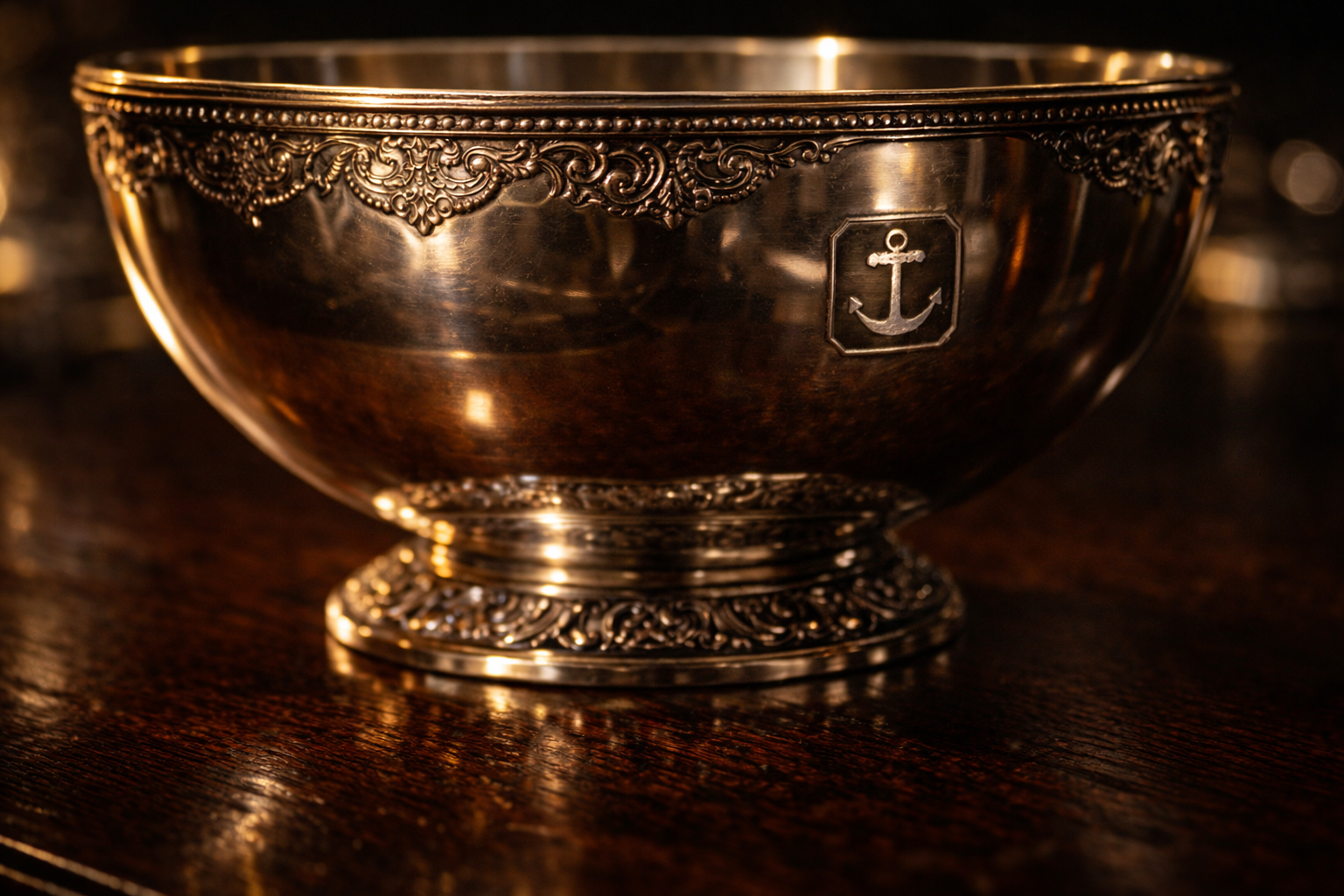
The anchor has been the proud town mark of Birmingham since 1773. It has been stamped on millions of pieces of silverware during the industrial revolution and remains one of the most recognizable British hallmarks today. This is the complete, dramatic story of the Anchor — the symbol that helped turn Birmingham into the silver capital of the world.
This deep dive is part of the Silver Hub on 925spot.com, your go-to place for sterling silver education, verification, and market insights.
What the Anchor Actually Means
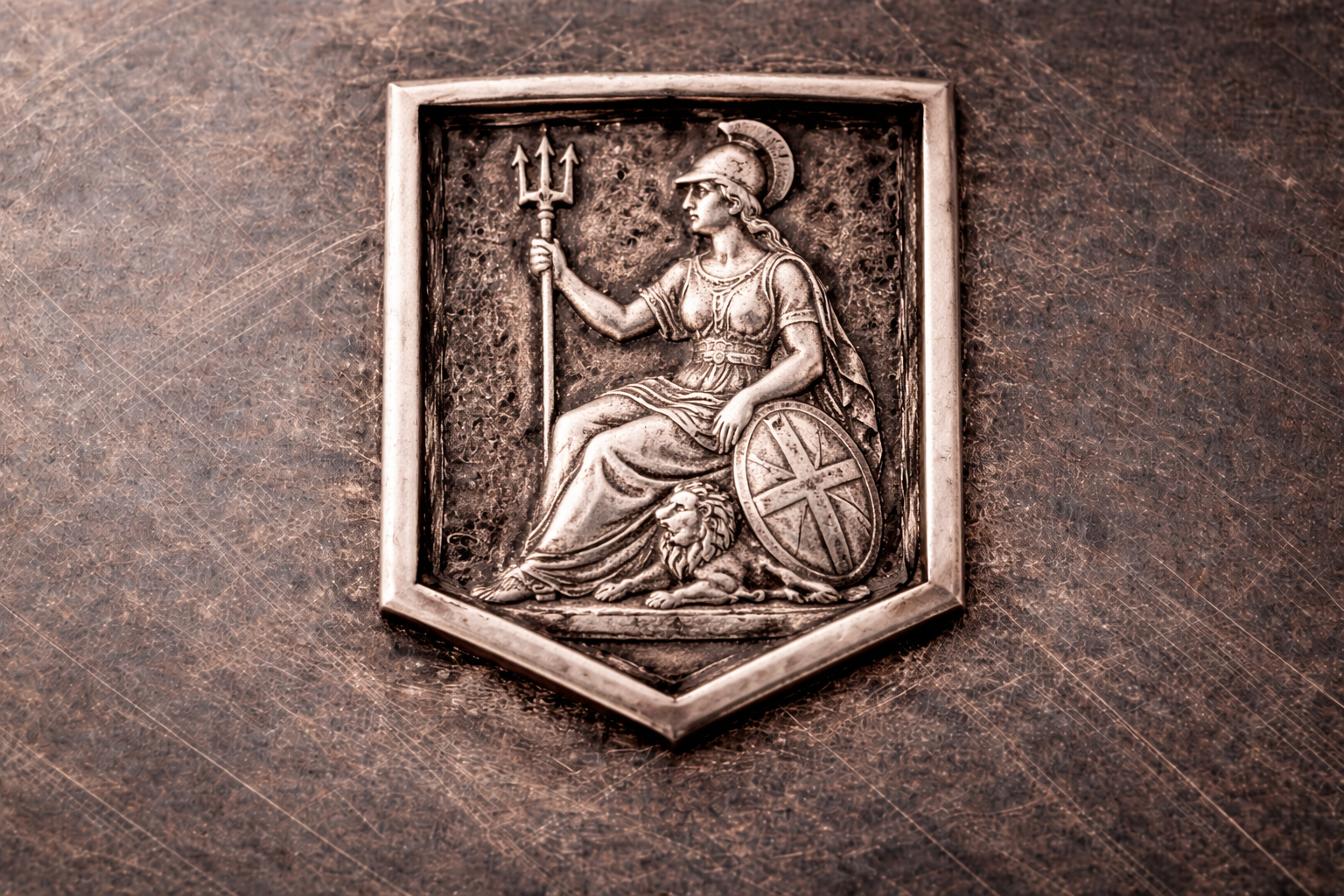
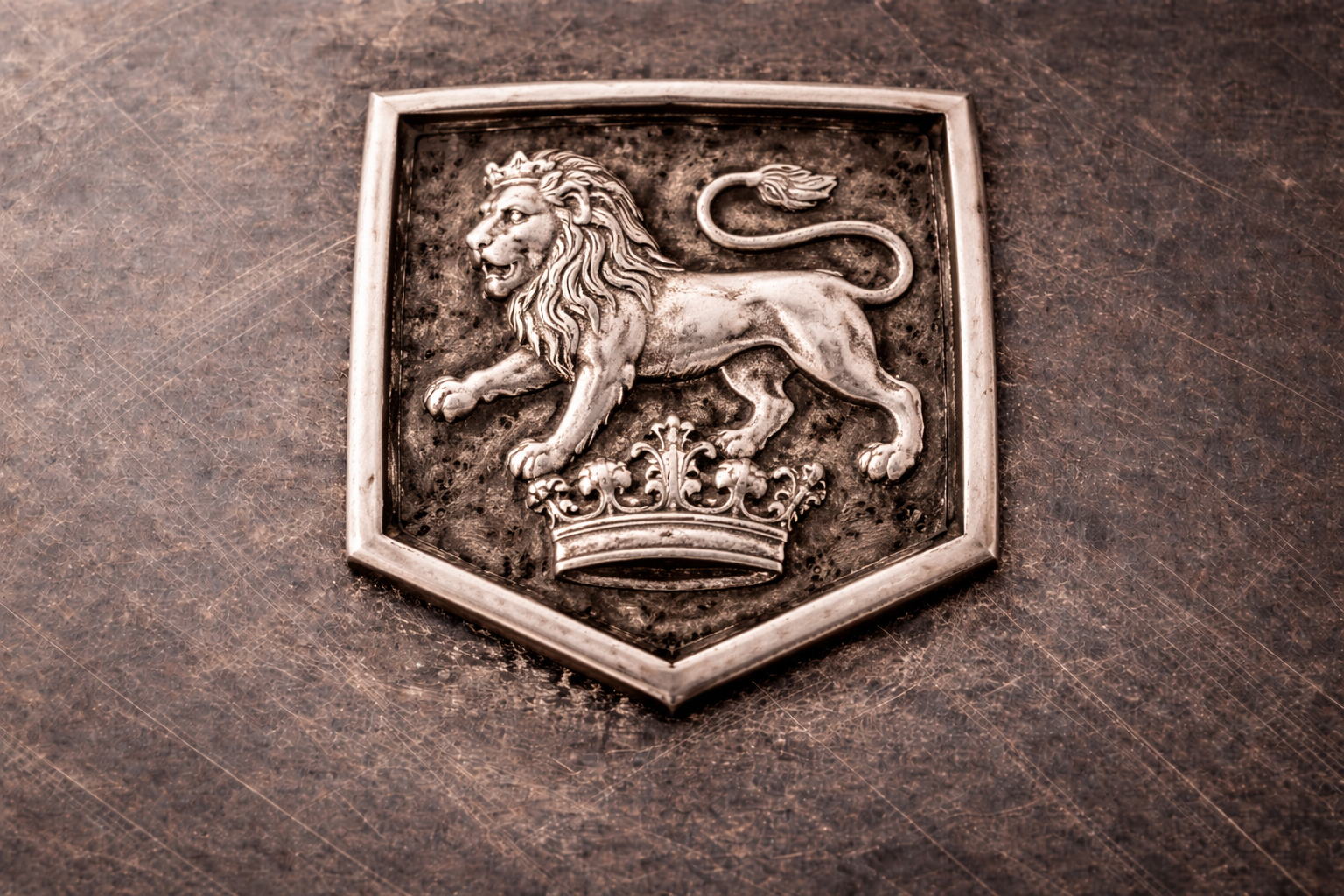
The Anchor is the official town mark for the Birmingham Assay Office. It tells you the piece was tested and hallmarked in Birmingham. It does not guarantee purity (that’s the Lion Passant or Britannia mark) — it simply proves the item passed through Birmingham’s assay system, one of the most important industrial assay offices in British history.
If you’re holding a piece right now and want to be 100% sure it’s authentic, our flagship guide walks you through every test: How to Tell if Sterling Silver Is Real.
The Dramatic Birth in 1773: The Crown and Anchor Pub & the Coin Toss
In 1773 silversmiths from Birmingham and Sheffield petitioned Parliament for their own assay offices so they no longer had to send everything to London. The meetings were held in a London pub called “The Crown and Anchor”. Legend says they tossed a coin to decide the town marks — Sheffield got the Crown, Birmingham got the Anchor. The Birmingham Assay Office opened on 31 August 1773, and the Anchor has been its symbol ever since.
The Industrial Revolution Boom
Birmingham quickly became the centre of mass-produced silverware, watch cases, and jewellery. The Anchor mark appeared on thousands of pieces during the Victorian era, making Birmingham silver affordable and widely available while still meeting the highest standards of the time.
10 Fascinating Facts About the Anchor Hallmark
- Born in a pub: The coin toss at “The Crown and Anchor” pub in London decided Birmingham’s mark.
- 1773 origin: One of the youngest town marks, but now over 250 years old.
- Industrial powerhouse: Birmingham became the world’s largest producer of silverware thanks to the Anchor.
- Used on gold too: Authorised for gold from 1824 with the same anchor mark.
- Crowned versions exist: Early marks sometimes included a crown above the anchor.
- Still used in 2026: The Anchor remains the active town mark for Birmingham.
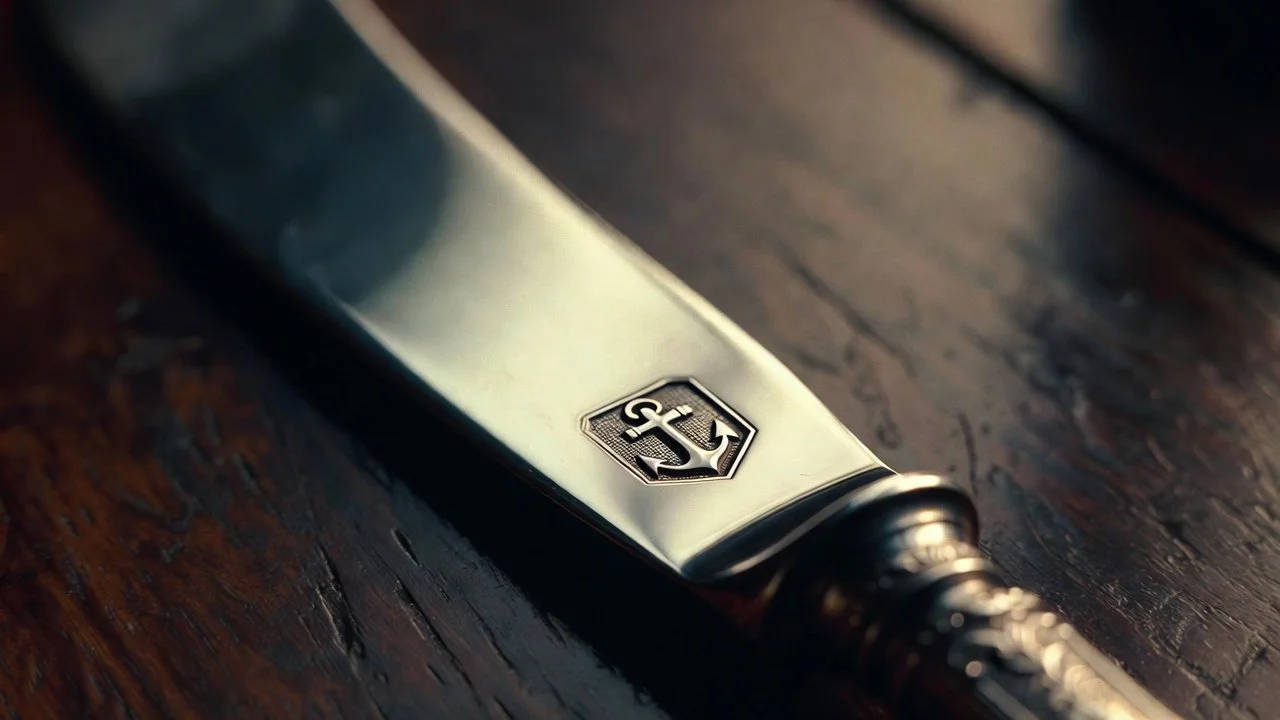
- Popular on small items: Especially watch cases, knives, and jewellery.
- Value booster: Clear Anchor marks with full sets add significant collector value.
- Date letter starts 1773: Birmingham has its own date letter cycle from the very first year.
- Symbol of security: The anchor represents strength and trustworthiness — perfect for hallmarks.
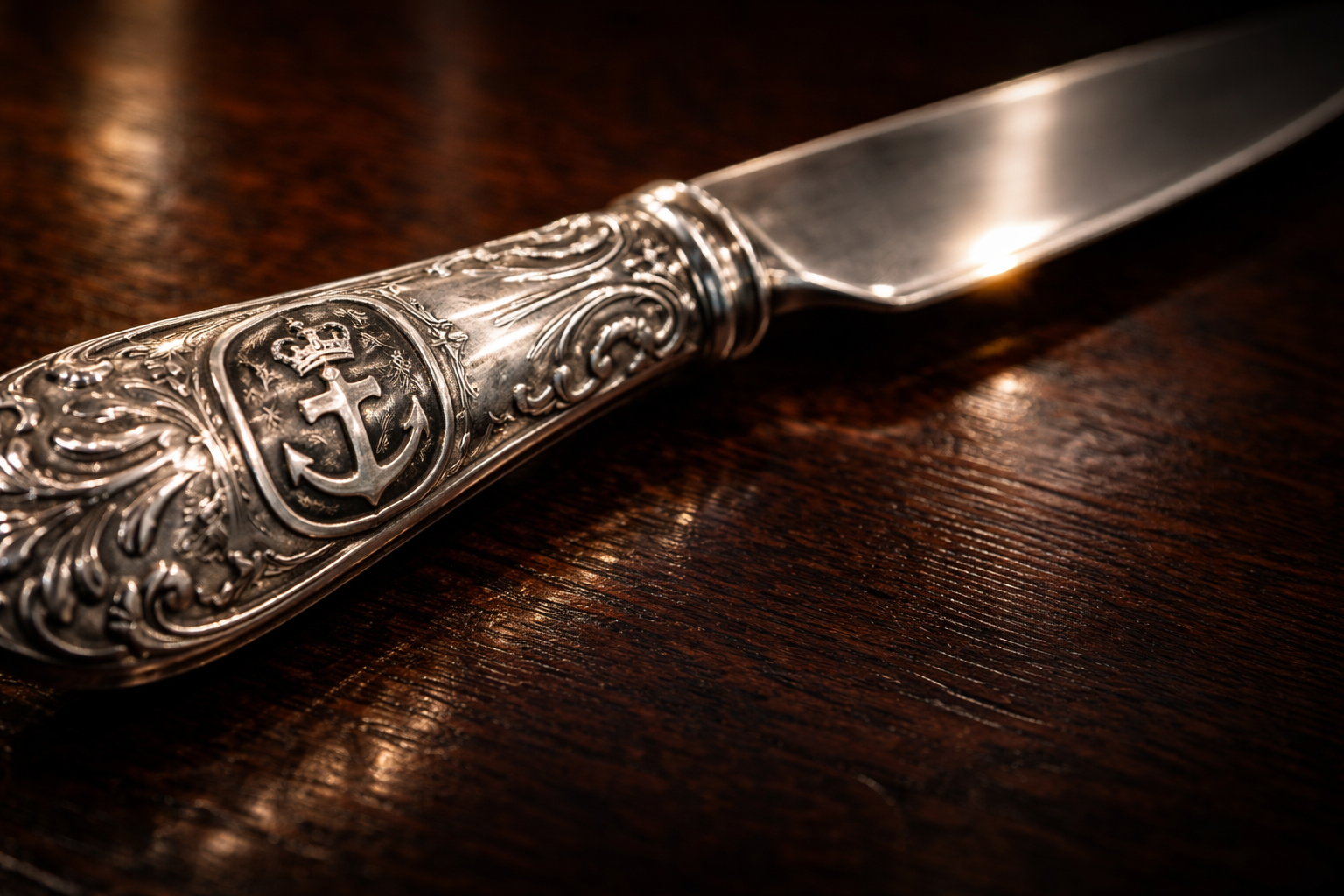
The Anchor in the Modern Era (1773–2026)
The Anchor continues to be struck daily at the Birmingham Assay Office. It remains a symbol of British industrial heritage and quality silver.
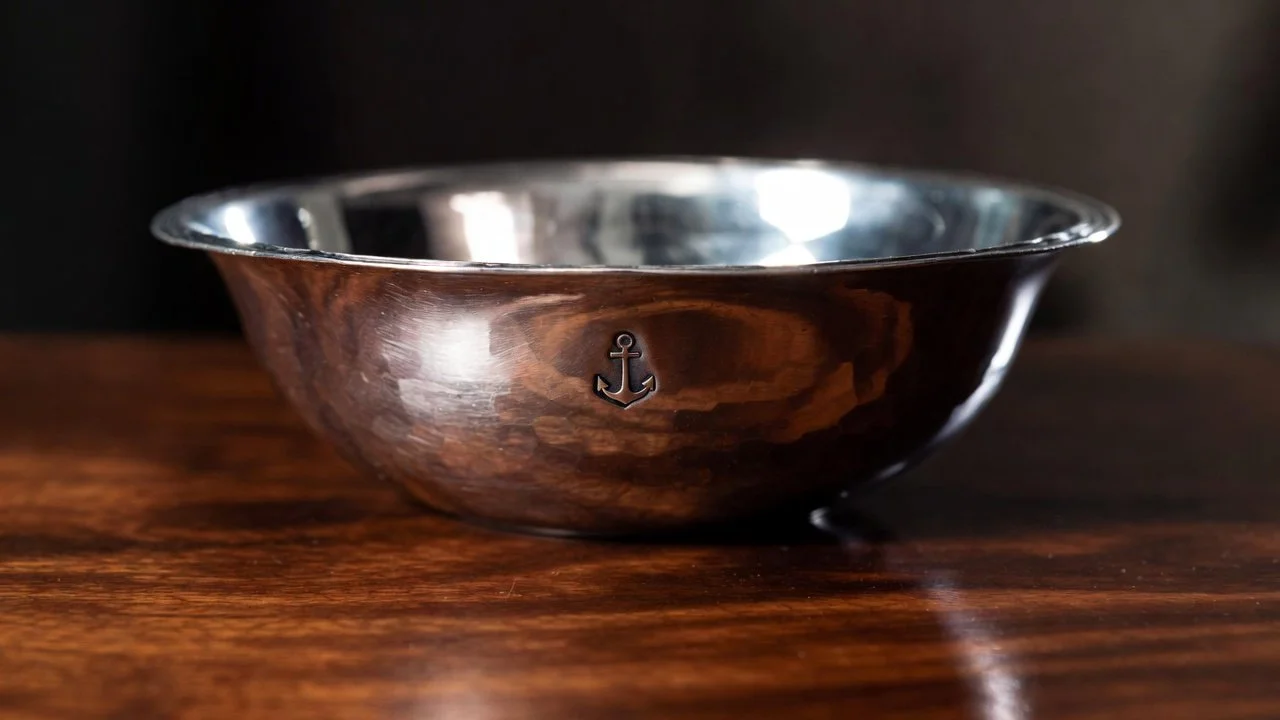
Collector Tips: How to Spot the Real Anchor & Avoid Fakes
Look for the anchor alongside the Lion Passant, date letter, and maker’s mark. Early pieces may have a crown above the anchor. Fakes are usually too shallow or poorly proportioned. For a complete checklist of tests plus the latest scam red flags, read our guide: How to Tell if Sterling Silver Is Real.
Why the Anchor Still Matters in 2026
Every time you see that anchor you are holding a piece of British industrial history — the story of a pub coin toss, the birth of mass-produced quality silver, and the enduring trust of the Birmingham Assay Office. If you want to know exactly what your piece is worth today, try our free Melt Value Calculator. For stacking strategies and why physical silver still matters, explore our full Silver Education Guide.
Frequently Asked Questions
What does the Anchor mark mean?
It means the piece was assayed in Birmingham.
Why an anchor in a landlocked city?
It came from the “Crown and Anchor” pub where the decision was made in 1773.
Is Birmingham silver valuable?
Yes — especially pieces with full marks from the industrial era.
Can I still get new silver with the Anchor mark?
Yes — the Birmingham Assay Office is still active and striking the anchor daily.
What should I look for alongside the Anchor?
The Lion Passant, date letter, and maker’s mark for a complete authentic set.
Where can I learn more about silver prices?
Check our weekly updates in The Week Ahead or our core analysis hub Silver Market Analysis.
Further Reading & Best Resource

Online Encyclopedia of Silver Marks, Hallmarks & Makers' Marks
The most extensive internet resource for research of silver hallmarks & maker's marks. I used this site constantly when researching the complete history of the Anchor Hallmark.