The Maker’s Mark: The Personal Signatures of Britain’s Greatest Silversmiths — Stories of Families, Rivalries, and Secret Symbols
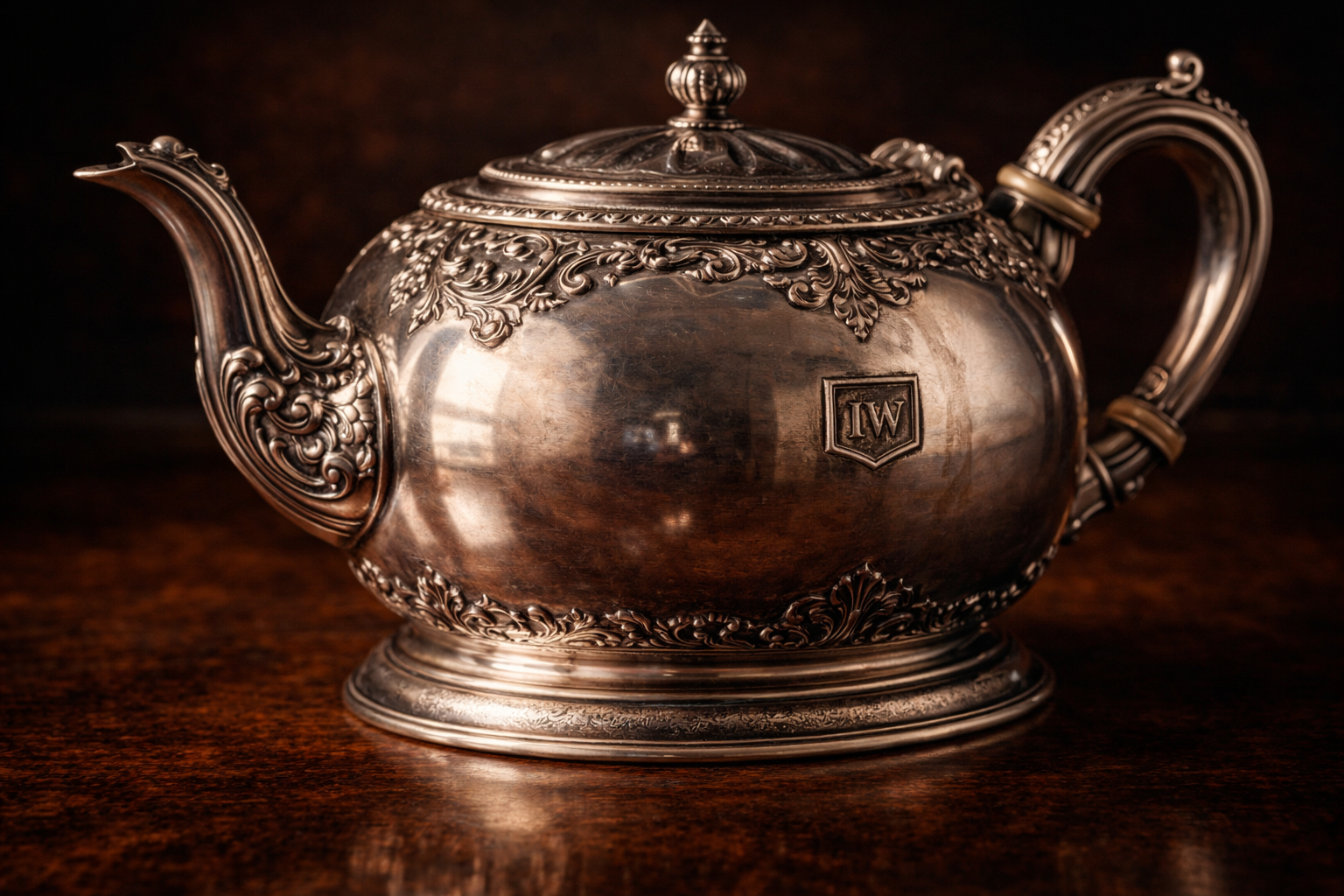
The personal signatures of Britain’s greatest silversmiths — stories of families, rivalries, and secret symbols. While the Lion Passant tells you the silver is genuine and the date letter tells you when it was made, the Maker’s Mark is the human fingerprint that reveals exactly who crafted it. This is the complete story of the Maker’s Mark — the most personal and fascinating part of British hallmarking.
This deep dive is part of the Silver Hub on 925spot.com, your go-to place for sterling silver education, verification, and market insights.
What the Maker’s Mark Actually Means
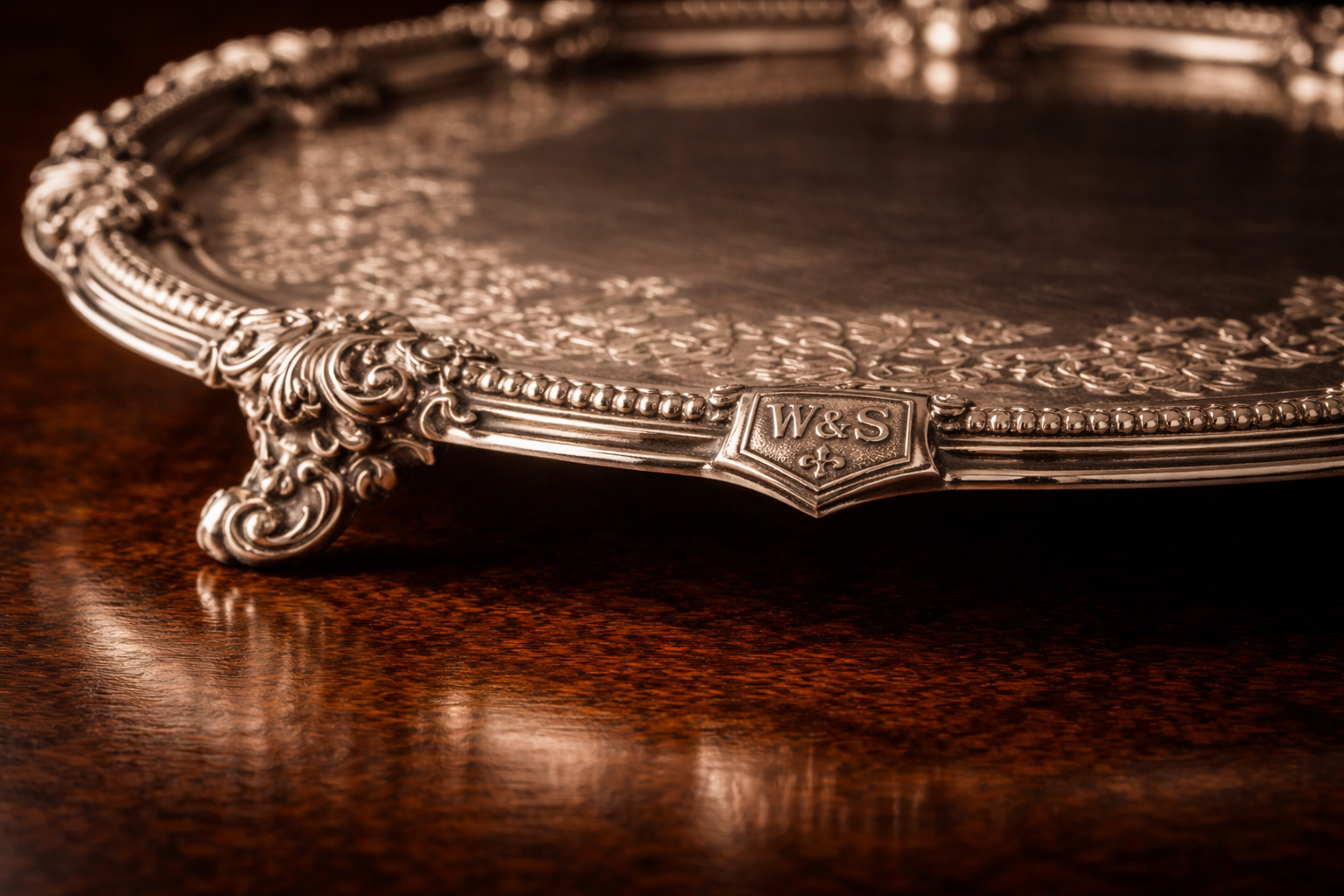
The Maker’s Mark is the silversmith’s personal signature. It usually consists of the maker’s initials (sometimes combined with a symbol or device) and has been required in Britain since 1363. Unlike the other hallmarks, it identifies the individual craftsman or workshop responsible for the piece. It is registered with the assay office and legally binds the maker to the quality of their work. For collectors, a clear Maker’s Mark is often the most exciting part of any hallmark because it turns an anonymous object into a piece with a known history, family story, or even a famous name.
If you’re holding a piece right now and want to be 100% sure it’s authentic, our flagship guide walks you through every test: How to Tell if Sterling Silver Is Real.
The Birth in 1363: The First Personal Signature in Silver
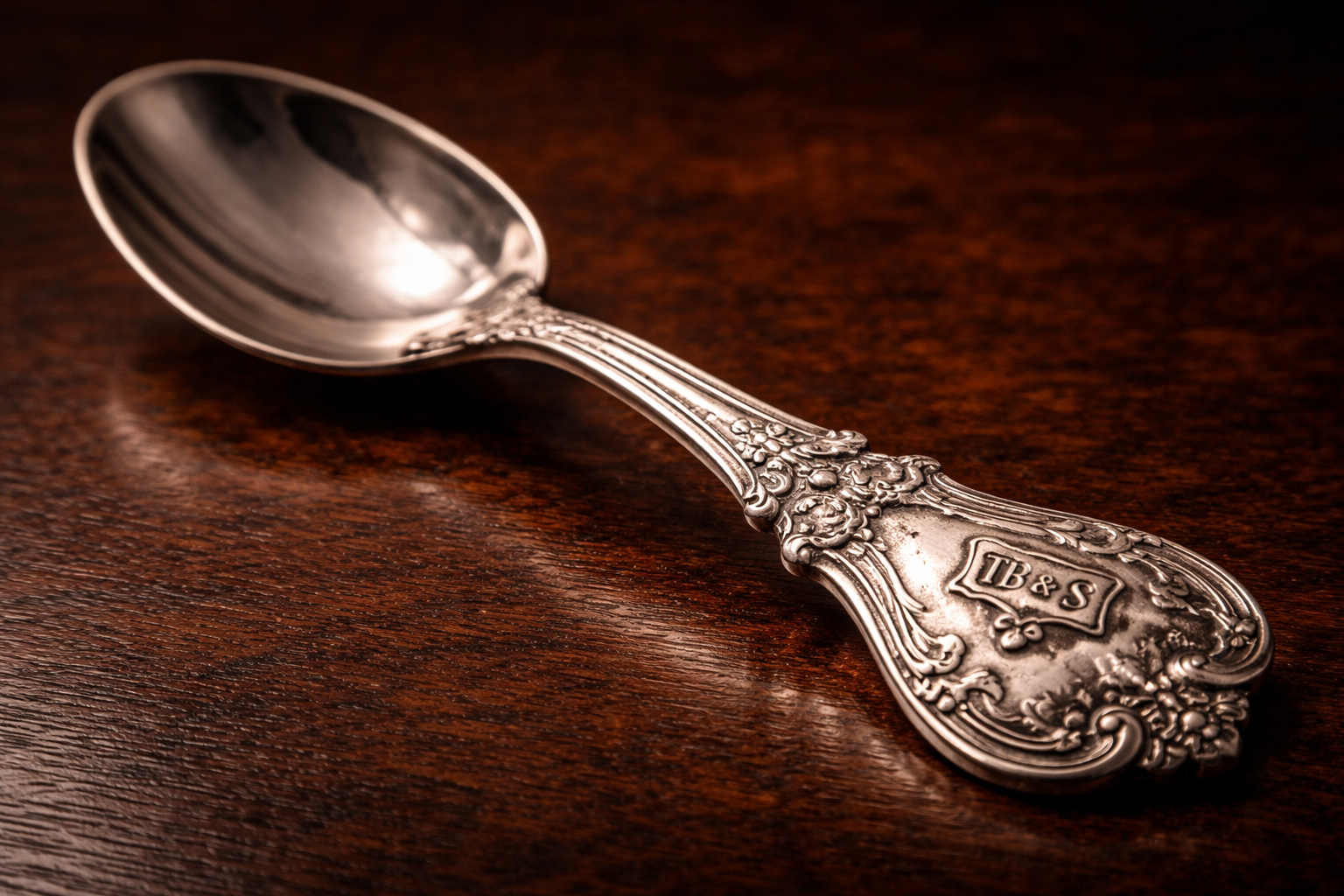
In 1363 King Edward III ordered that every piece of silver must carry the mark of its maker so that faulty work could be traced back to the responsible craftsman. This was the beginning of the Maker’s Mark system. Over the centuries the requirement evolved, but the core idea never changed: the maker must stand behind their work. By the 17th and 18th centuries, silversmiths began using small symbols alongside their initials — crowns, stars, animals, or even tiny tools — creating a rich visual language of secret signs and family crests.
Stories of Families, Rivalries, and Secret Symbols
The Maker’s Mark is where British silver truly comes alive. The Bateman family (Hester Bateman and her descendants) dominated London silver for decades with their elegant, neoclassical style. Paul Storr, the “king of silversmiths,” created pieces for royalty and used a distinctive mark that collectors still seek out today. Paul de Lamerie, the French-born master, competed fiercely with English makers and used an elaborate “PL” mark surrounded by ornate devices. These were not just businesses — they were dynasties with rivalries, apprenticeships, and sometimes even secret symbols passed down only within the family workshop.
10 Fascinating Facts About the Maker’s Mark
- Oldest requirement: Mandatory since 1363 — over 660 years old.
- Personal fingerprint: Every registered maker had a unique mark that could never be reused.
- Family dynasties: Some marks were used by multiple generations (e.g., the Batemans).
- Secret symbols: Many makers added tiny devices — stars, hearts, animals — that only insiders understood.
- Rivalries: Famous feuds existed between workshops (Storr vs. other Regency makers).
- Still used today: Every modern British silversmith must register and use a Maker’s Mark.
- Value booster: A piece by a famous maker (Storr, Bateman, Lamerie) can be worth many times more.
- Appears on every piece: Always the first mark struck by the maker before sending to assay.
- Research goldmine: A clear Maker’s Mark lets you trace the exact workshop and date.
- Human connection: Turns cold metal into a direct link to the hands of Britain’s greatest craftsmen.
The Maker’s Mark in the Modern Era (1363–2026)
More than six centuries after its introduction, the Maker’s Mark is still the personal signature of every British silversmith. Today’s makers continue the tradition, registering new marks and creating the heirlooms of tomorrow. The system remains one of the strongest protections for both buyers and makers in the silver world.
Collector Tips: How to Spot the Real Maker’s Mark & Avoid Fakes
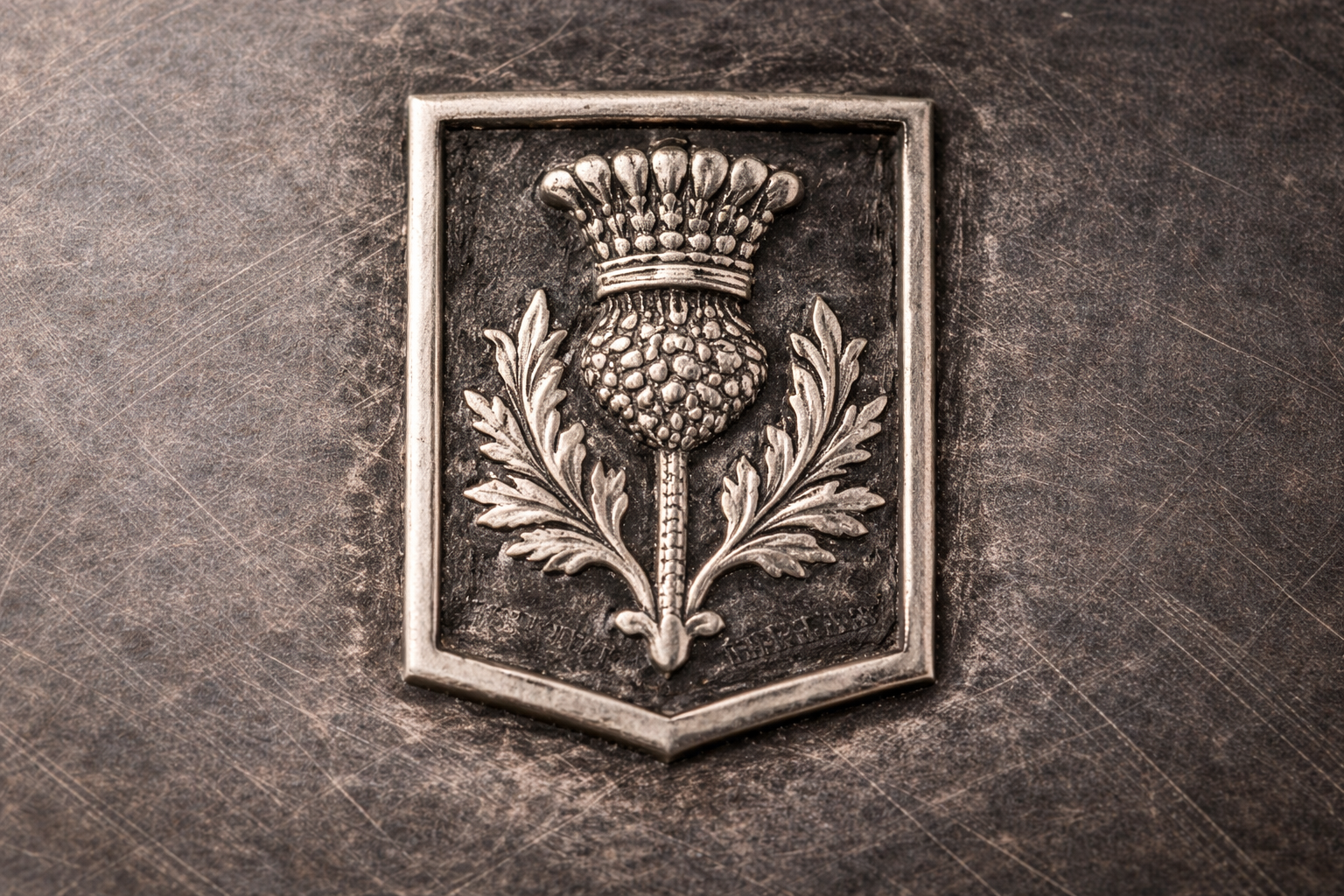
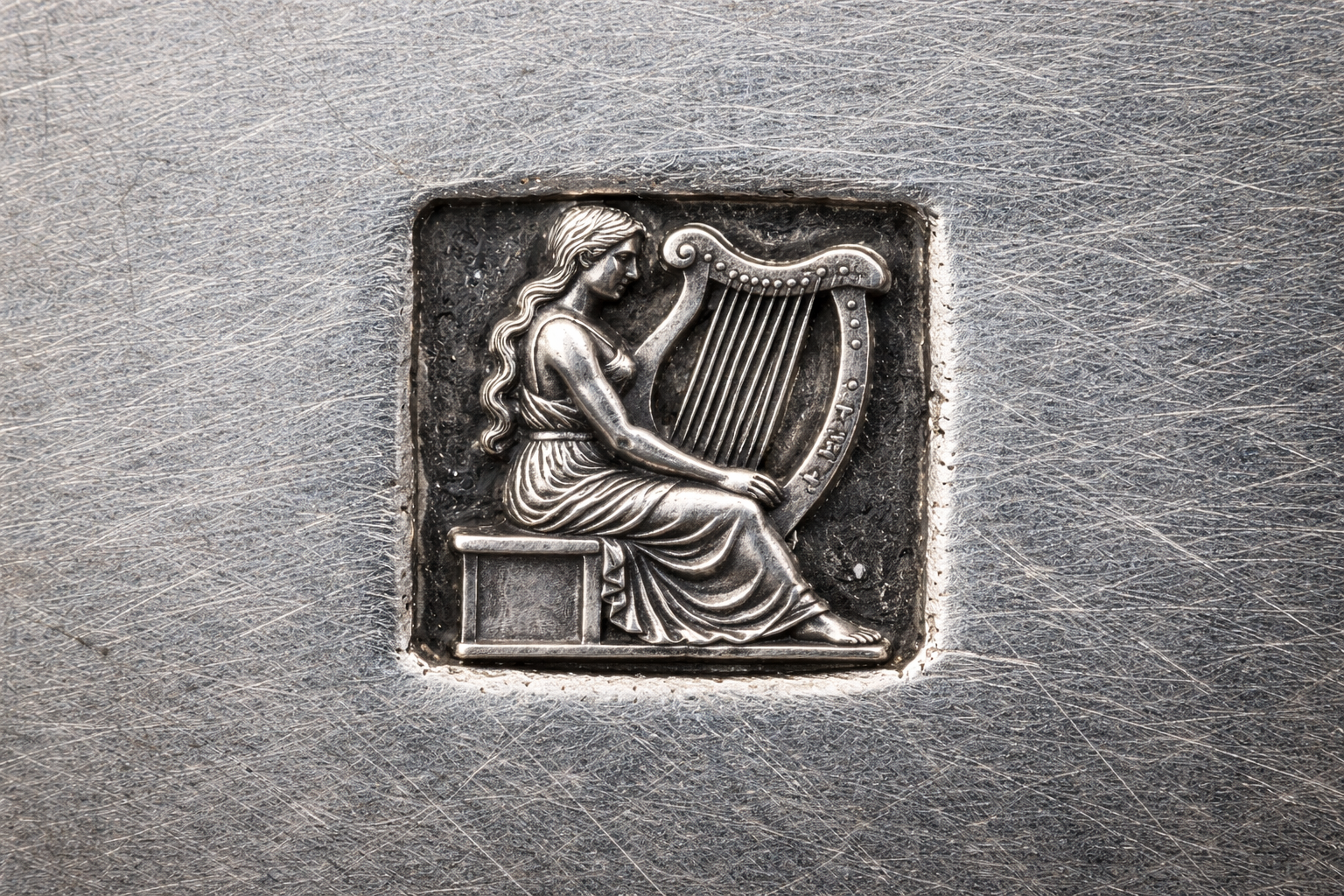
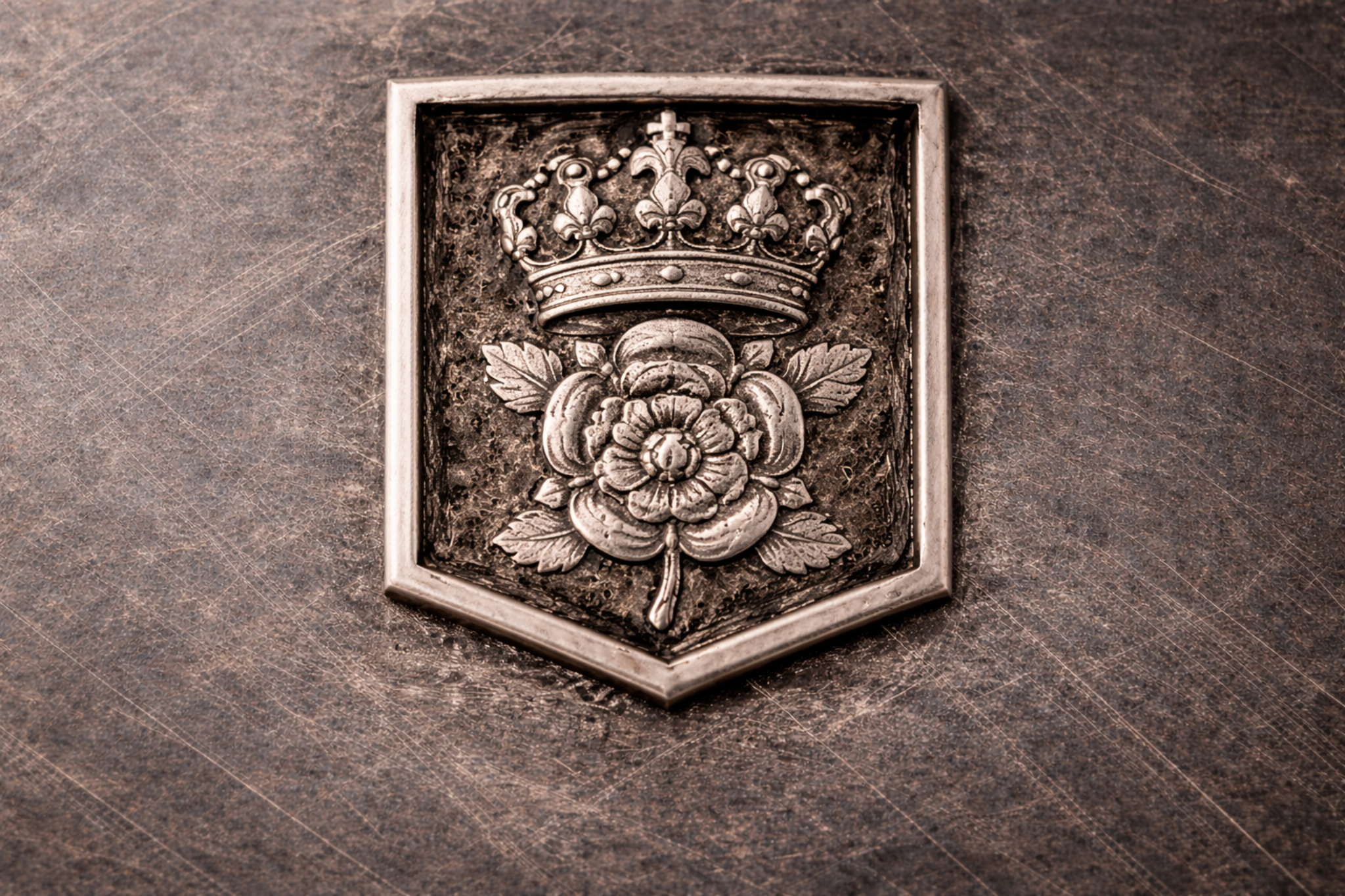
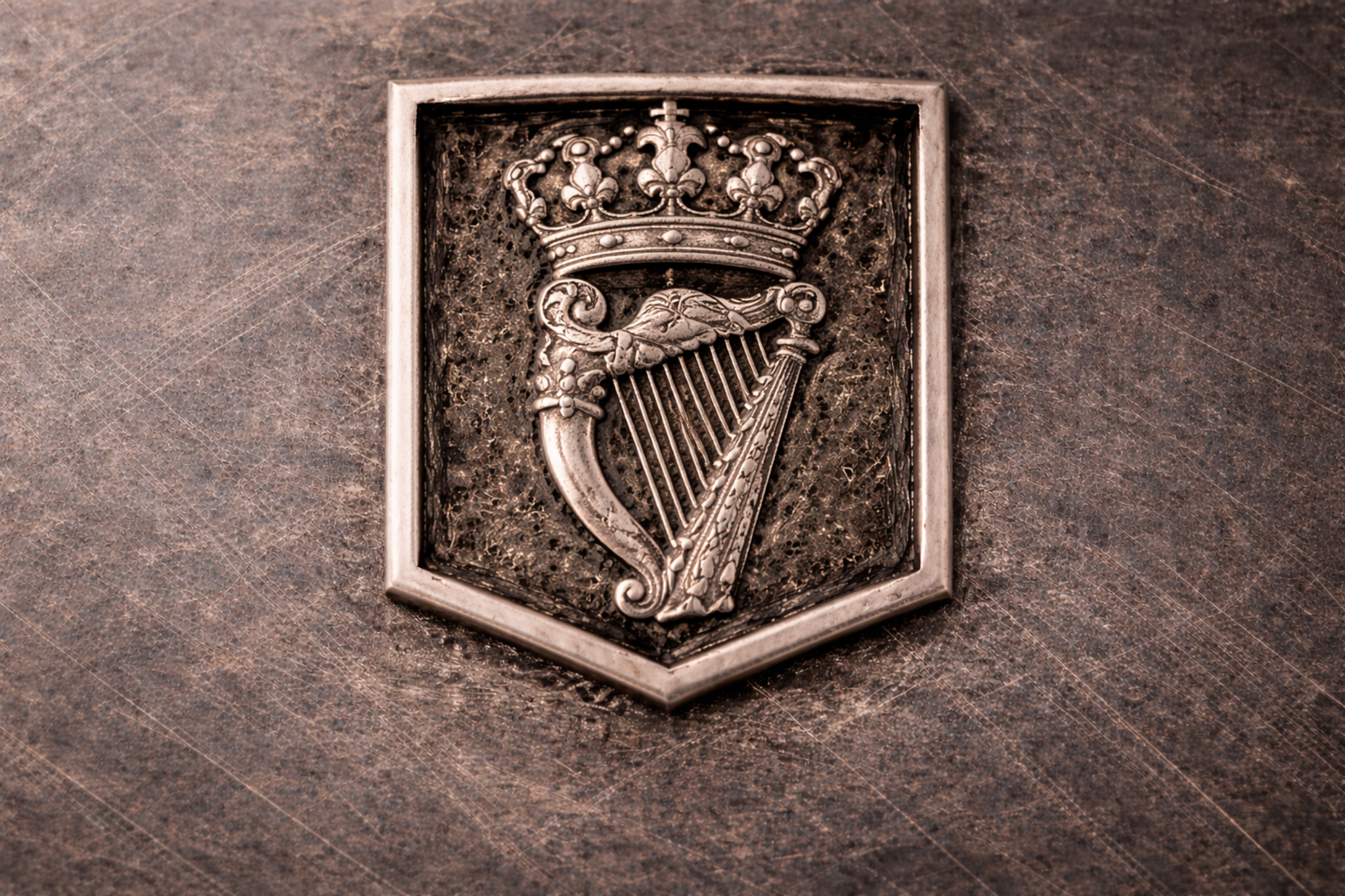
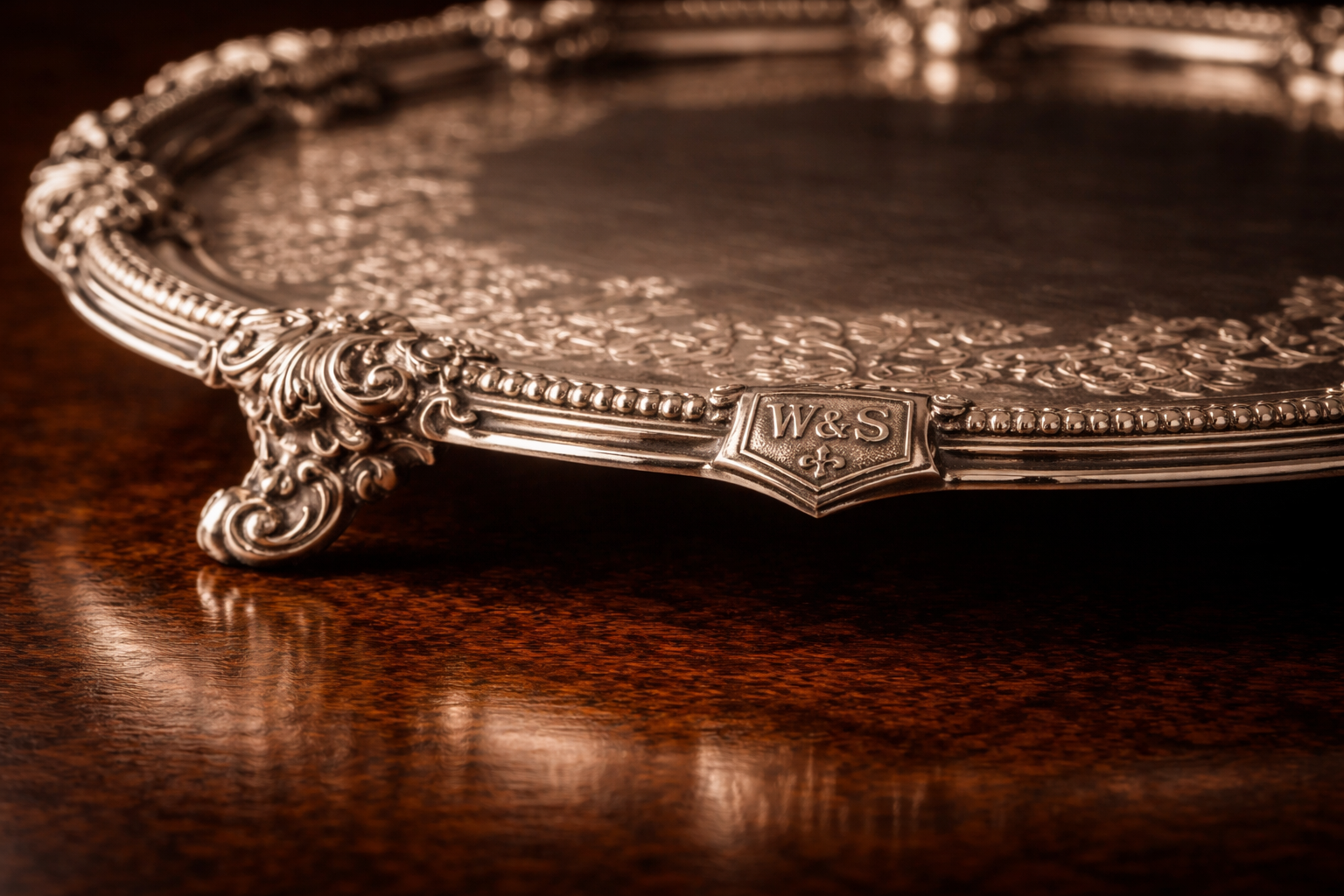
Look for the maker’s initials or symbol in a small shield or cartouche. It should be crisp and struck before the other hallmarks. Cross-reference it with known maker lists (the 925-1000.com encyclopedia is the best resource). Famous marks like “HB” (Hester Bateman) or “PS” (Paul Storr) are highly sought after. Fakes are often poorly spaced or lack the correct accompanying marks. For a complete checklist of tests plus the latest scam red flags, read our guide: How to Tell if Sterling Silver Is Real.
Why the Maker’s Mark Still Matters in 2026
Every time you see a Maker’s Mark you are looking at the personal signature of a real craftsman — a direct connection to Britain’s greatest silversmithing families, their rivalries, and their hidden symbols. It turns a beautiful object into a piece of living history. If you want to know exactly what your piece is worth today, try our free Melt Value Calculator. For stacking strategies and why physical silver still matters, explore our full Silver Education Guide.
Frequently Asked Questions
What does the Maker’s Mark mean?
It identifies the individual or workshop that made the piece.
How old is the Maker’s Mark system?
It has been required since 1363 — over 660 years.
Is it still used today?
Yes — every modern British silversmith must register and use one.
Why are some Maker’s Marks more valuable?
Famous names like Hester Bateman or Paul Storr add significant collector premium.
Can I identify a maker from the mark?
Yes — most marks are listed in hallmark reference books and online databases.
Where can I learn more about silver prices?
Check our weekly updates in The Week Ahead or our core analysis hub Silver Market Analysis.
Further Reading & Best Resource

Online Encyclopedia of Silver Marks, Hallmarks & Makers' Marks
The most extensive internet resource for research of silver hallmarks & maker's marks. I used this site constantly when researching the complete history of the Maker’s Mark.