Britannia Mark Hallmark: History & Meaning
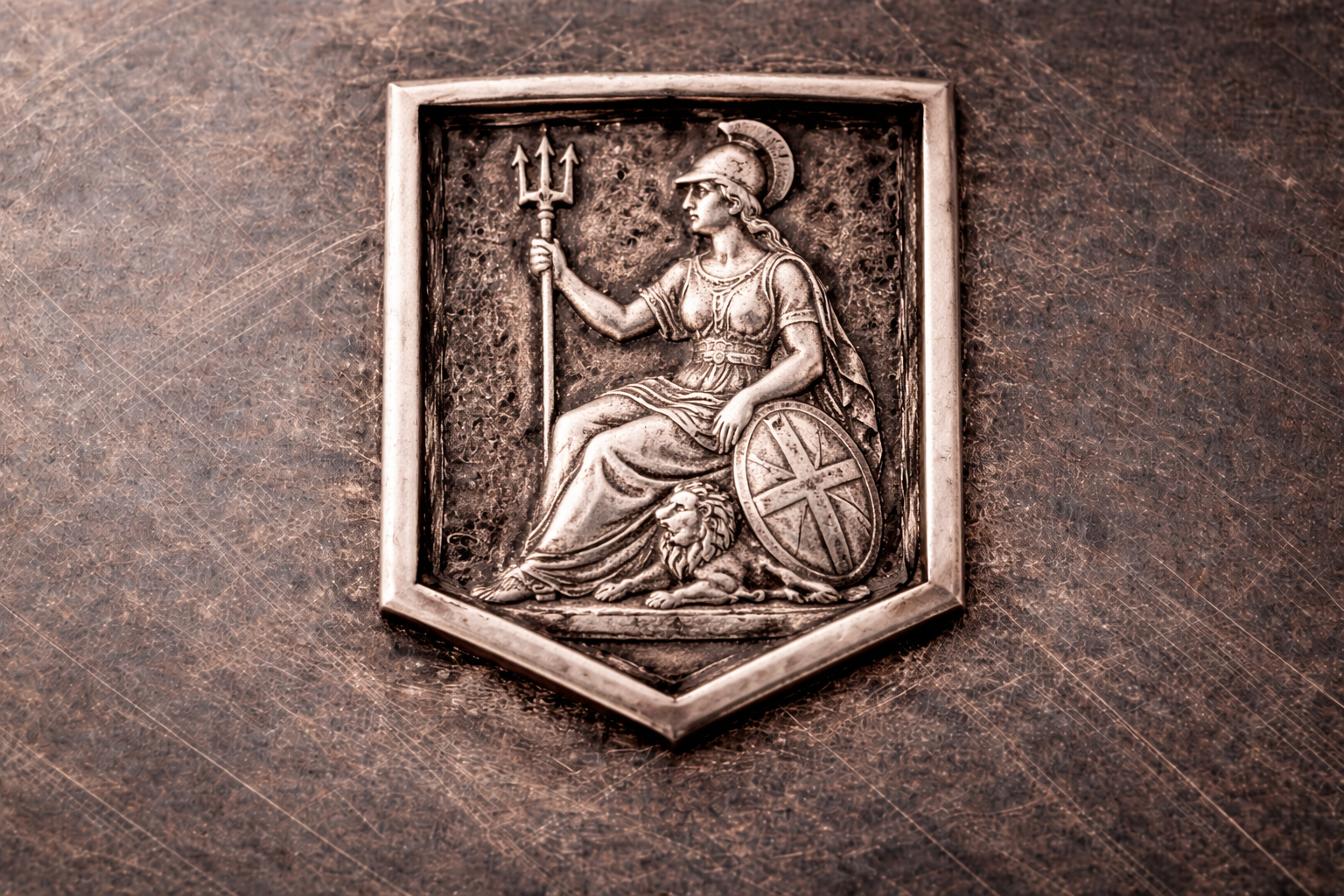
The seated goddess who replaced the lion for 23 dramatic years (1697–1720) to stop the great silver coin crisis. This is the complete, dramatic story of the Britannia Mark — the higher-purity standard that briefly took over British silver and left a lasting legacy.
This deep dive is part of the Silver Hub on 925spot.com, your go-to place for sterling silver education, verification, and market insights.
What the Britannia Mark Actually Means
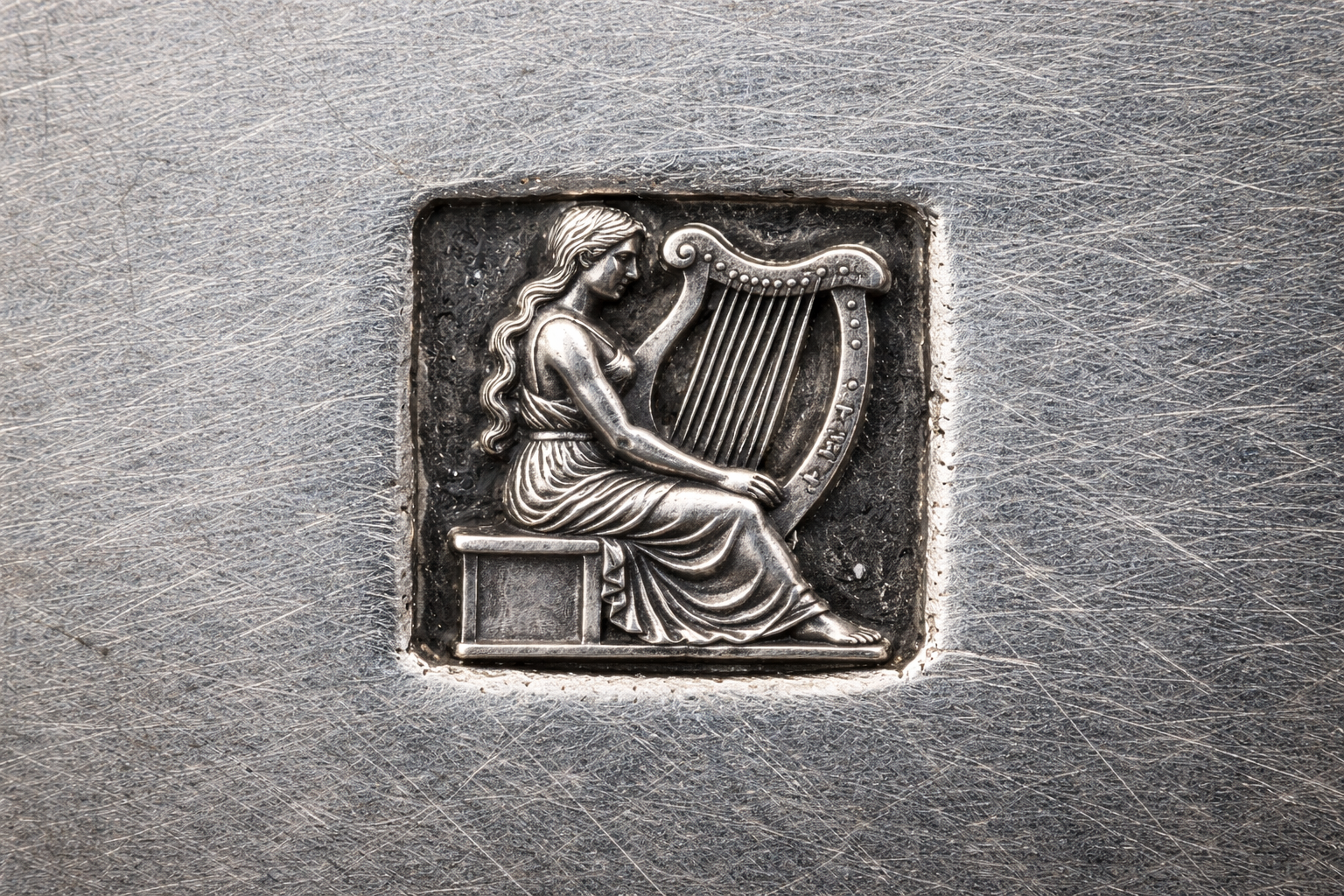
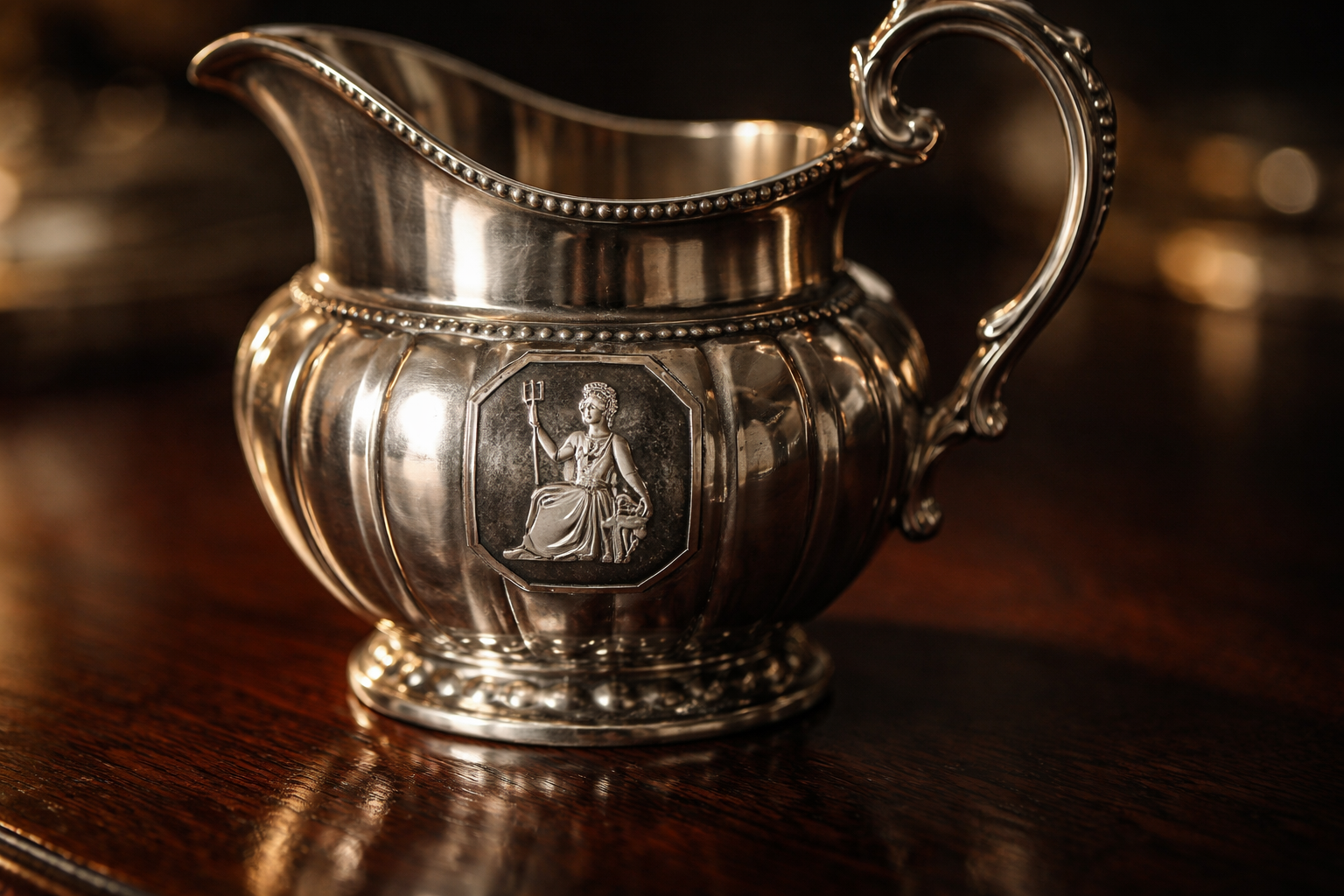
The Britannia Mark guarantees 95.8% pure silver (.958 fineness) — higher than the normal 92.5% sterling standard. It shows a seated female figure (Britannia) holding a spear in one hand and a shield in the other, often with the word “BRITANNIA” or just the figure alone. It was the official purity mark for all English silver plate during its mandatory period and remains one of the most beautiful and collectible hallmarks today.
If you’re holding a piece right now and want to be 100% sure it’s authentic, our flagship guide walks you through every test: How to Tell if Sterling Silver Is Real.
The Dramatic Birth in 1697: The Great Silver Coin Crisis
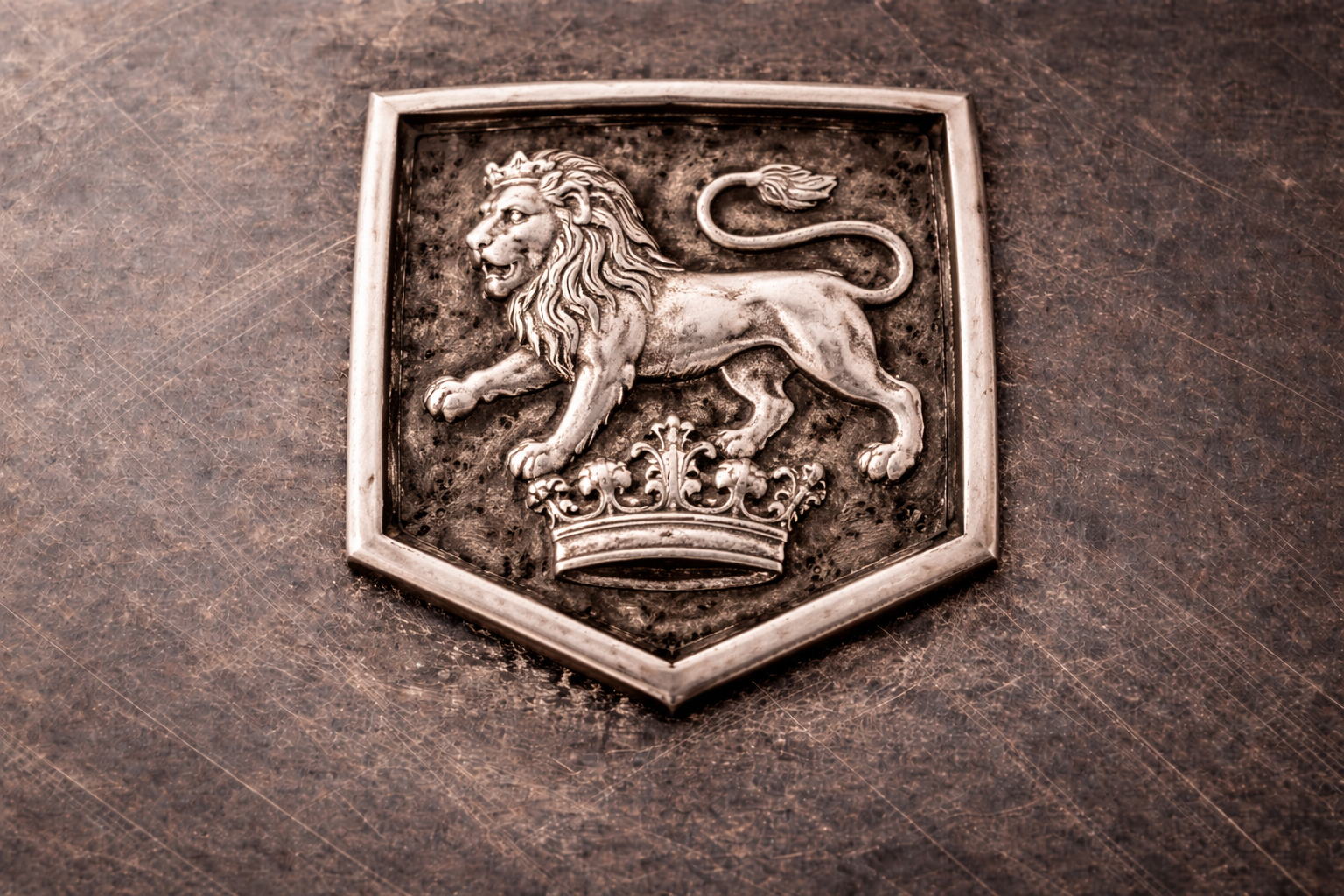
By the 1690s Britain was prosperous again after the Restoration, but too much good silver coin was being melted down to make luxury plate. The coinage was disappearing. In 1696 Parliament passed the Plate Act, raising the legal standard for silverware from 92.5% to 95.8% pure. The new higher standard was called “Britannia silver,” and the old Lion Passant was replaced by the seated figure of Britannia. The change was designed to make melting coins for plate less profitable.
The 23-Year Reign of Britannia (1697–1720)
For exactly 23 years every single piece of English silver had to carry the Britannia mark (and a Lion’s Head Erased town mark instead of the Leopard’s Head). This period produced some of the finest and softest silver ever made in Britain. Many collectors today specifically hunt for “Britannia standard” pieces because of their higher purity and historical importance.
The Return of the Lion in 1720
By 1720 the coin crisis had passed. Parliament restored the old 92.5% sterling standard and brought back the Lion Passant. The Britannia mark became optional for those who wanted the higher purity. It has remained optional ever since and is still used today on luxury pieces.
10 Fascinating Facts About the Britannia Mark
- Higher purity than normal sterling: 95.8% silver vs 92.5% — softer and more lustrous.
- Only used for 23 years mandatorily: 1697–1720, one of the shortest but most dramatic periods in hallmark history.
- Replaced the Lion Passant: The only time in history the walking lion was completely removed as the standard mark.
- Lion’s Head Erased town mark: During this period London used a lion’s head with no lower jaw instead of the Leopard’s Head.
- Named after the national symbol: Britannia was chosen to represent Britain’s power and purity.
- Still legal today: Optional since 1720 and still struck on high-end modern pieces.
- Collector premium: Britannia-standard pieces often sell for 20–40% more than normal sterling of the same age.
- Appears on royal silver: Many pieces for the royal household carried the mark during its mandatory years.
- Softer metal: The higher purity made the silver easier to engrave but also more prone to dents — a trade-off silversmiths accepted.
- Still loved in 2026: Many modern makers choose the Britannia mark for prestige and tradition.
The Britannia Mark in the Modern Era (1720–2026)
Even though it is no longer mandatory, the seated goddess continues to appear on some of the finest British silver made today. It remains a symbol of the highest quality and a direct link to one of the most turbulent periods in English monetary history.
Collector Tips: How to Spot the Real Britannia Mark & Avoid Fakes
Look for the seated figure holding a spear and shield. During 1697–1720 you will also see the Lion’s Head Erased town mark. Pre-1720 pieces are rarer and more valuable. Fakes are usually too sharp or lack the correct proportions. For a complete checklist of tests plus the latest scam red flags, read our guide: How to Tell if Sterling Silver Is Real.
Why the Britannia Mark Still Matters in 2026
Every time you see the seated goddess you are holding living history — a direct reminder of the great coin crisis, Parliament’s bold solution, and Britain’s determination to protect the purity of its silver. If you want to know exactly what your piece is worth today, try our free Melt Value Calculator. For stacking strategies and why physical silver still matters, explore our full Silver Education Guide.
Frequently Asked Questions
Is the Britannia Mark higher purity than normal sterling?
Yes — 95.8% silver vs 92.5%.
Why was it only used for 23 years?
It was a temporary emergency measure to stop people melting coins for plate.
Does a Britannia mark make the piece more valuable?
Yes — collectors often pay a premium for the higher purity and historical rarity.
Can I still buy new silver with the Britannia mark?
Yes — many luxury makers still offer it as an optional higher-purity standard.
What should I look for alongside the Britannia mark?
During 1697–1720 you will also see the Lion’s Head Erased town mark.
Where can I learn more about current silver prices?
Check our weekly updates in The Week Ahead or our core analysis hub Silver Market Analysis.
Further Reading & Best Resource

Online Encyclopedia of Silver Marks, Hallmarks & Makers' Marks
The most extensive internet resource for research of silver hallmarks & maker's marks. I used this site constantly when researching the complete history of the Britannia Mark.