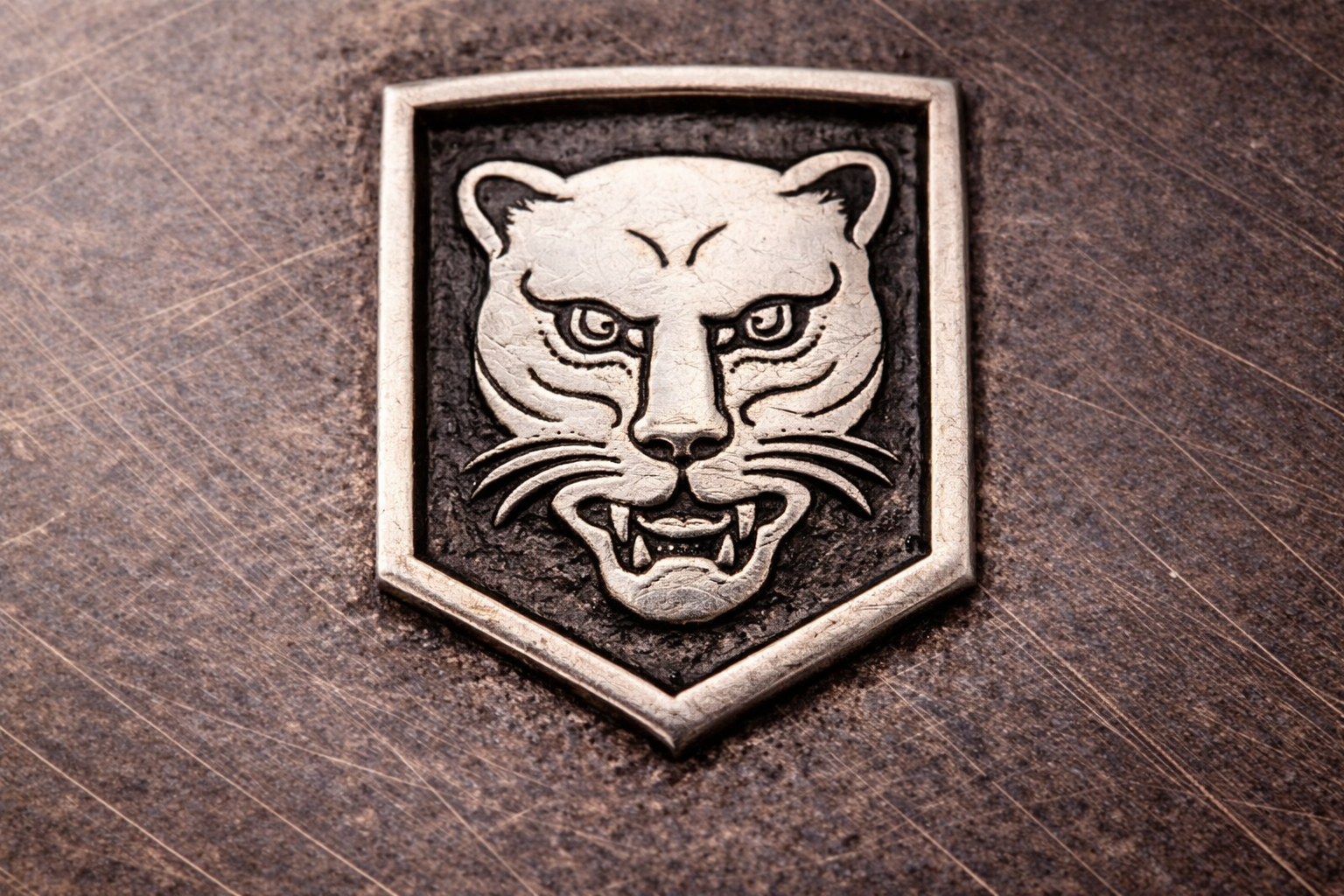
Leopard’s Head Hallmark: History & Meaning
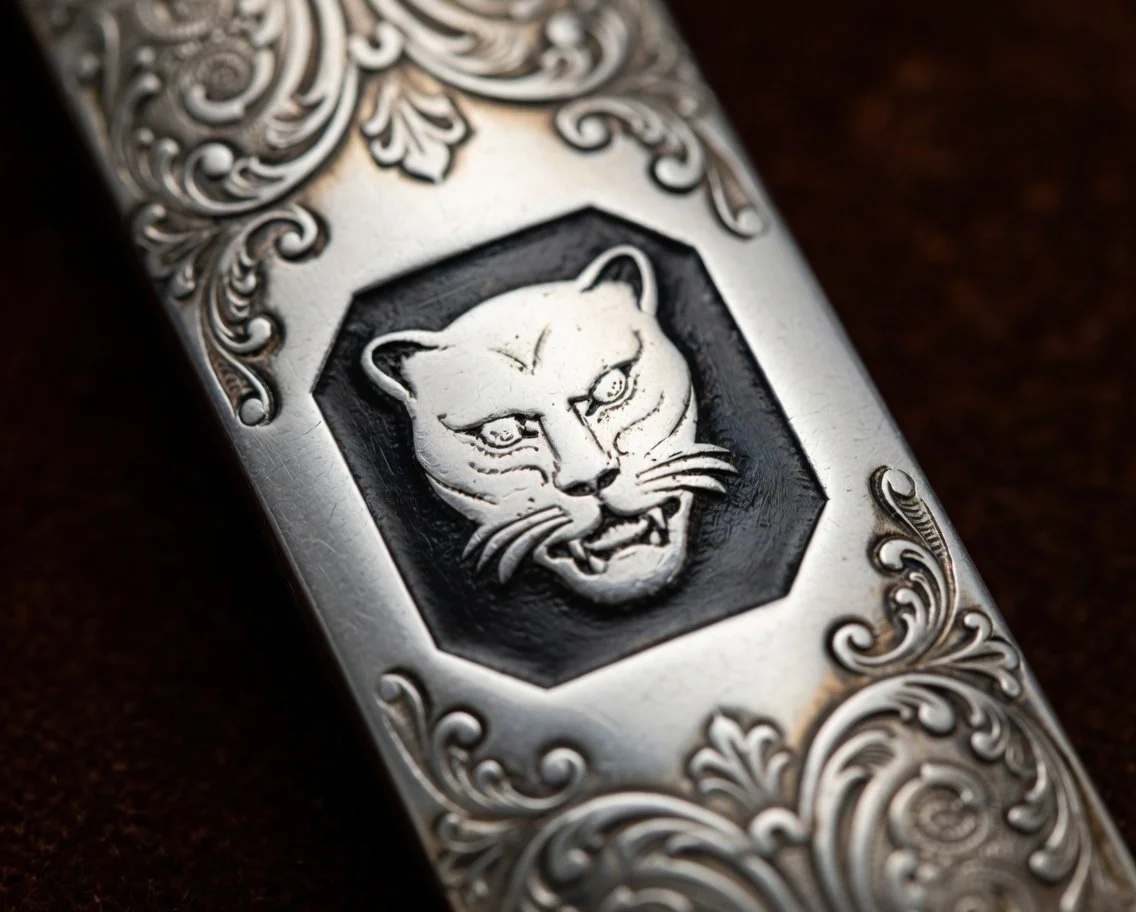
London’s royal leopard has watched over British silver for more than 700 years. One of the very first hallmarks ever created, it has worn a crown, lost it, changed its face, and survived every major upheaval in English history. This is the complete story of the Leopard’s Head — the town mark that tells you a piece was assayed at Goldsmiths’ Hall in London.
This deep dive is part of the Silver Hub on 925spot.com, your go-to place for sterling silver education, verification, and market insights.
What the Leopard’s Head Actually Means
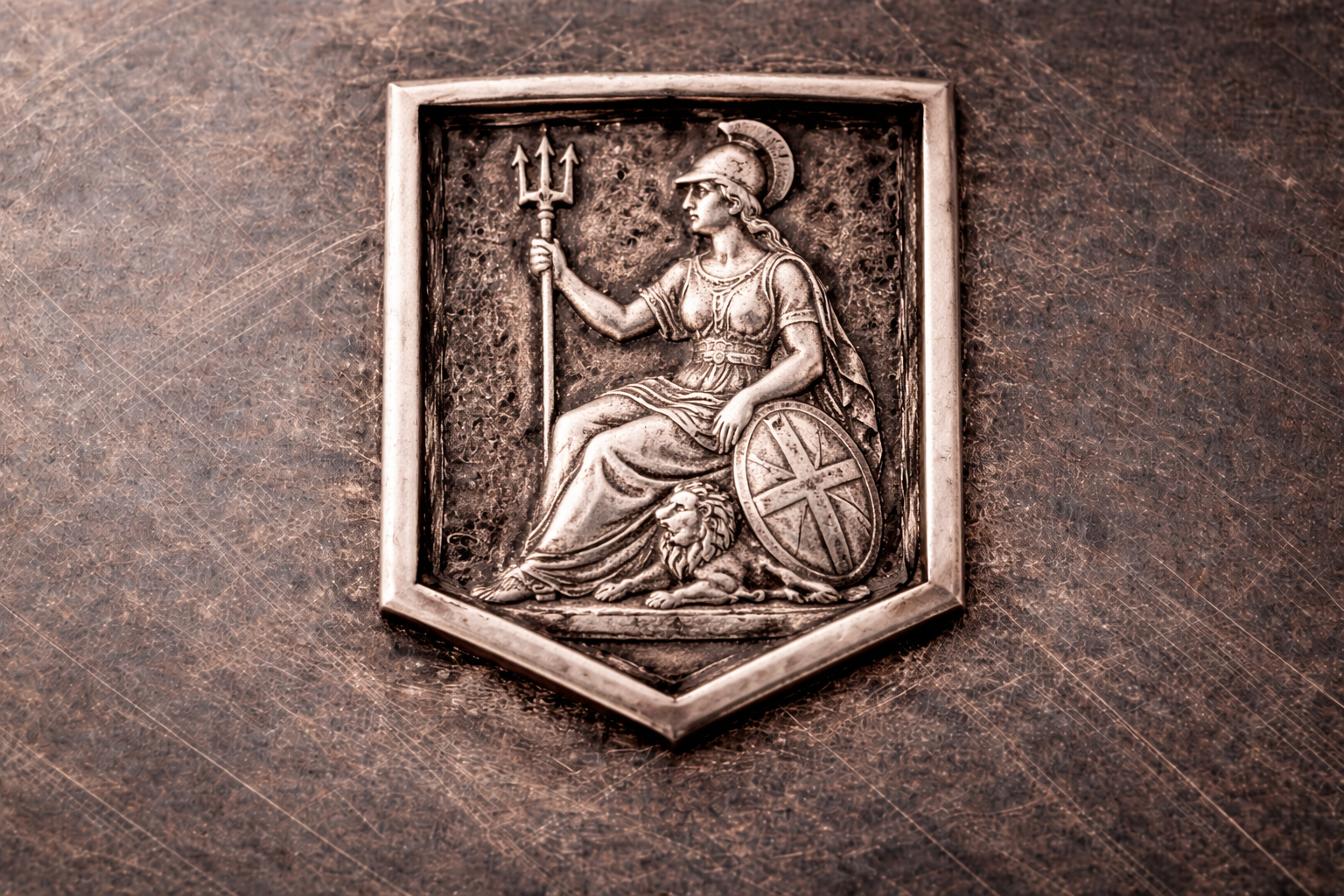
The Leopard’s Head is the official town mark for the London Assay Office. It tells you the piece was tested and hallmarked at Goldsmiths’ Hall in London. It does not guarantee purity (that’s the Lion Passant or Britannia mark) — it simply proves the item passed through London’s rigorous assay system.
If you’re holding a piece right now and want to be 100% sure it’s authentic, our flagship guide walks you through every test: How to Tell if Sterling Silver Is Real.
The Dramatic Birth in 1300: Edward I and the King’s Mark
In 1300 King Edward I passed the statute that created Britain’s hallmarking system. Wardens were ordered to go “shop to shop” assaying silver and stamping every piece with “une teste de leopart” (a leopard’s head). This was the very first consumer-protection mark in English history.
The Crown Arrives in 1478
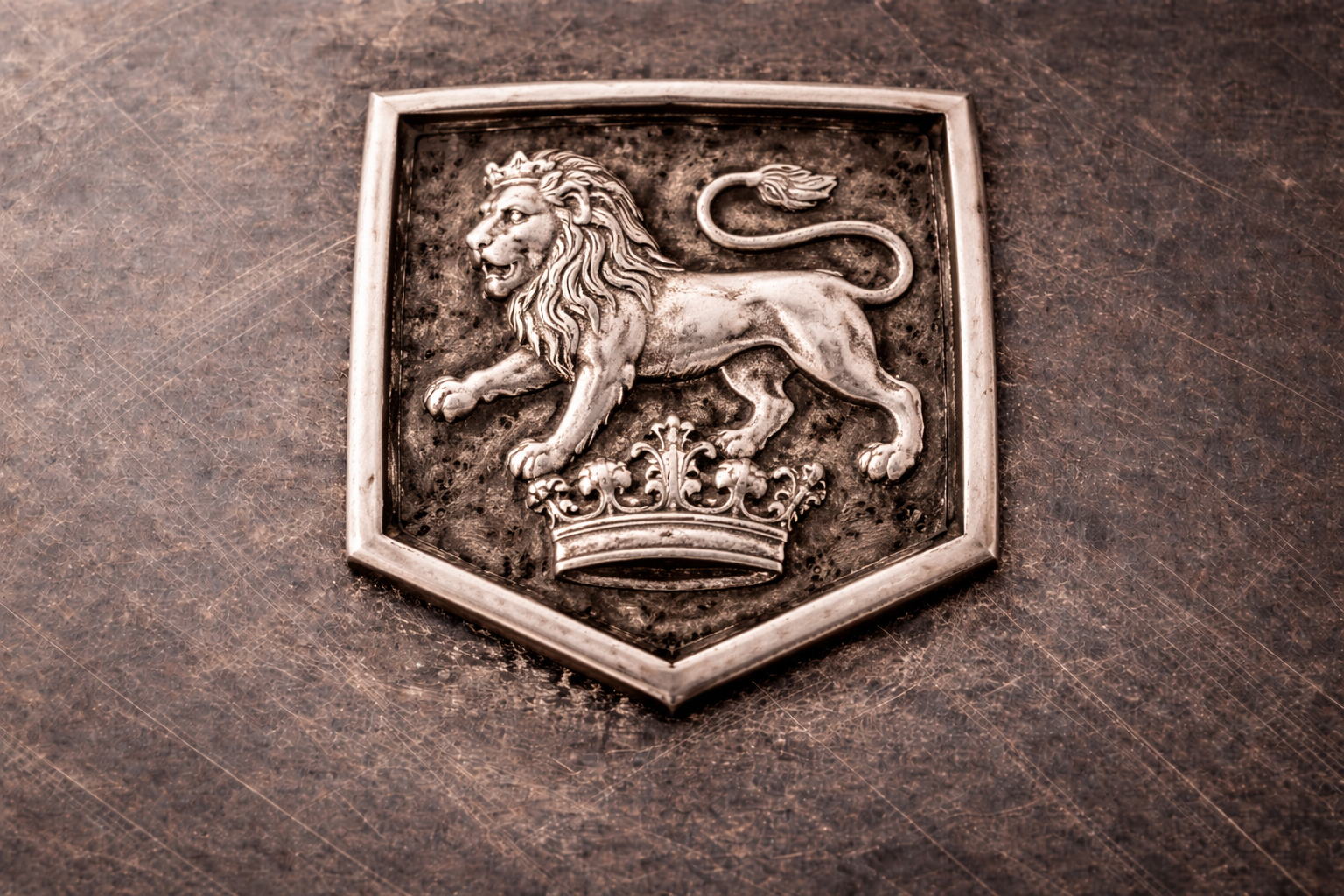
In 1478 the crown was added to the Leopard’s Head. From this date until 1822 the crowned Leopard’s Head became the iconic symbol of London silver.
The Great Uncrowning of 1822
In 1822 the crown was quietly removed. The change helped catch forgers and marked a new era of hallmarking. The uncrowned “cat’s head” has been used ever since.
10 Fascinating Facts About the Leopard’s Head
- Oldest hallmark still in use: Created in 1300 — over 725 years old.
- Originally a lion: The Norman French “leopart” meant a lion looking at you.
- Crowned for 344 years: 1478–1822 — the version most collectors love.
- Transitional year: 1821–1822 pieces exist with both crowned and uncrowned marks.
- “Whiskered cat” period: 1739–1755 — a strange design that looks almost like a monkey.
- Used on gold too: Originally applied to both silver and gold.
- Value indicator: Crowned versions (pre-1822) often add 15–30% premium.
- Still used in 2026: Modern London silver still receives the uncrowned Leopard’s Head.
- Symbol of trust: The very first mark that turned silver into a regulated product.
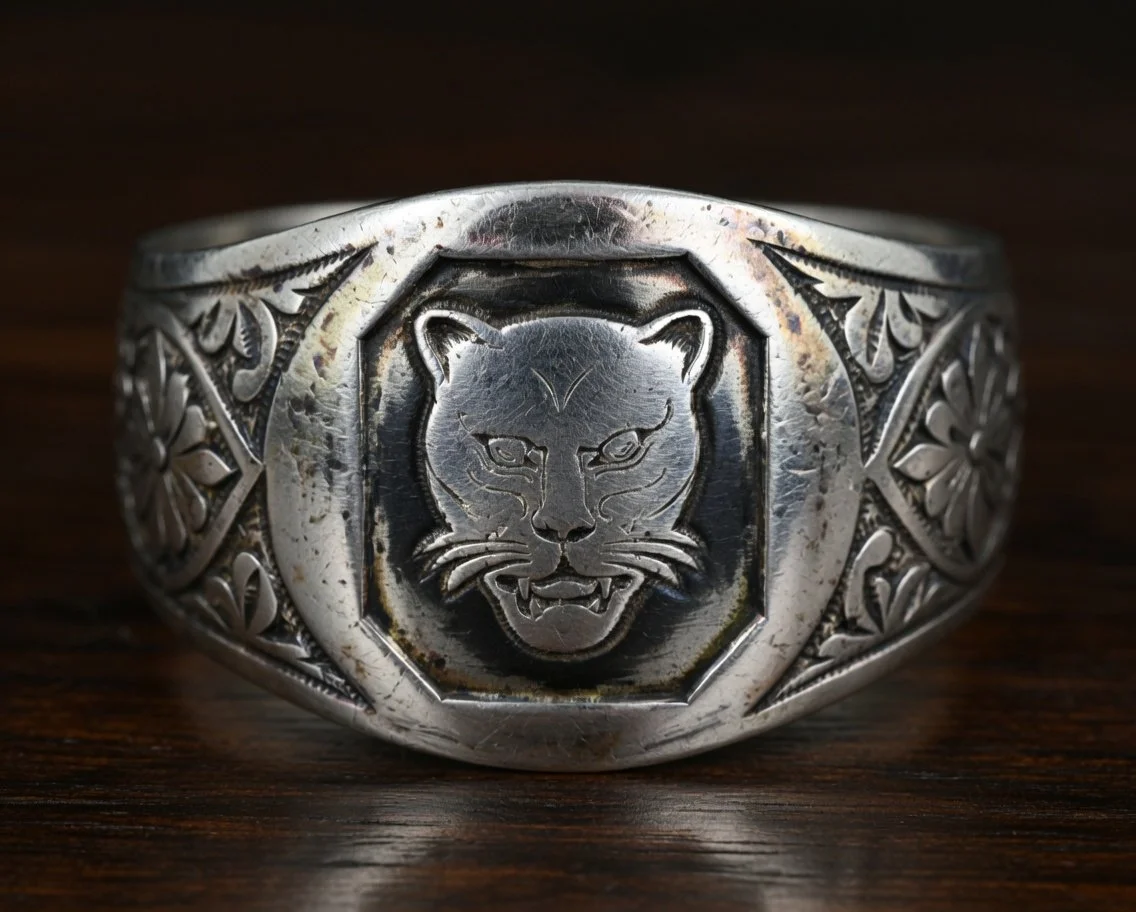
The Leopard’s Head in the Modern Era (1822–2026)
The uncrowned Leopard’s Head continues to appear on every piece assayed in London today. It remains the most prestigious town mark in British hallmarking.
Collector Tips: How to Spot the Real Leopard’s Head & Avoid Fakes
Crowned = pre-1822 (rarer and usually more valuable). Uncrowned = post-1822. Look for it alongside the Lion Passant, date letter, and maker’s mark. Fakes are often too shallow or lack the correct shield shape. For full authentication tests and scam red flags, read our guide: How to Tell if Sterling Silver Is Real.
Why the Leopard’s Head Still Matters in 2026
Every time you see that leopard you are holding 725 years of British history — the King’s original guarantee of quality and the enduring prestige of London silver. If you want to know exactly what your piece is worth today, try our free Melt Value Calculator. For stacking strategies and why physical silver still matters, explore our full Silver Education Guide.
Frequently Asked Questions
What does the Leopard’s Head mean?
It means the piece was assayed in London.
Why did it lose its crown in 1822?
Probably to help prevent forgery.
Is a crowned Leopard’s Head more valuable?
Yes — pieces made before 1822 with the crown are rarer and usually command a premium.
Can non-London silver have a Leopard’s Head?
Very rarely and only in the earliest years.
What should I look for alongside it?
The Lion Passant, date letter, and maker’s mark for a complete authentic set.
Where can I learn more about silver prices?
Check our weekly updates in The Week Ahead or our core analysis hub Silver Market Analysis.
Further Reading & Best Resource

Online Encyclopedia of Silver Marks, Hallmarks & Makers' Marks
The most extensive internet resource for research of silver hallmarks & maker's marks. I used this site constantly when researching the complete history of the Leopard’s Head.