The Scottish Thistle Hallmark: Scotland’s Prickly Emblem of Independence — 1759 to 1975 and Beyond
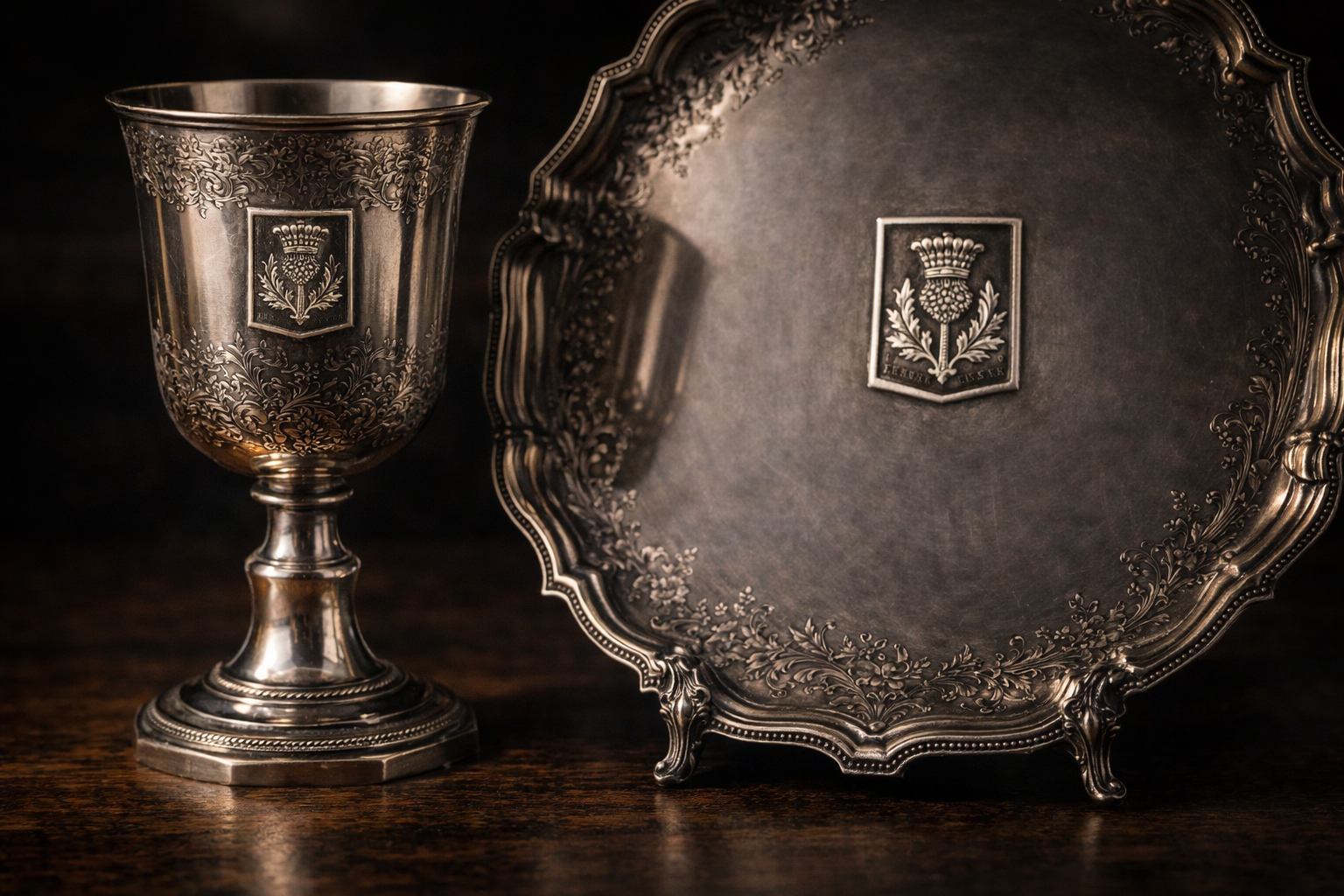
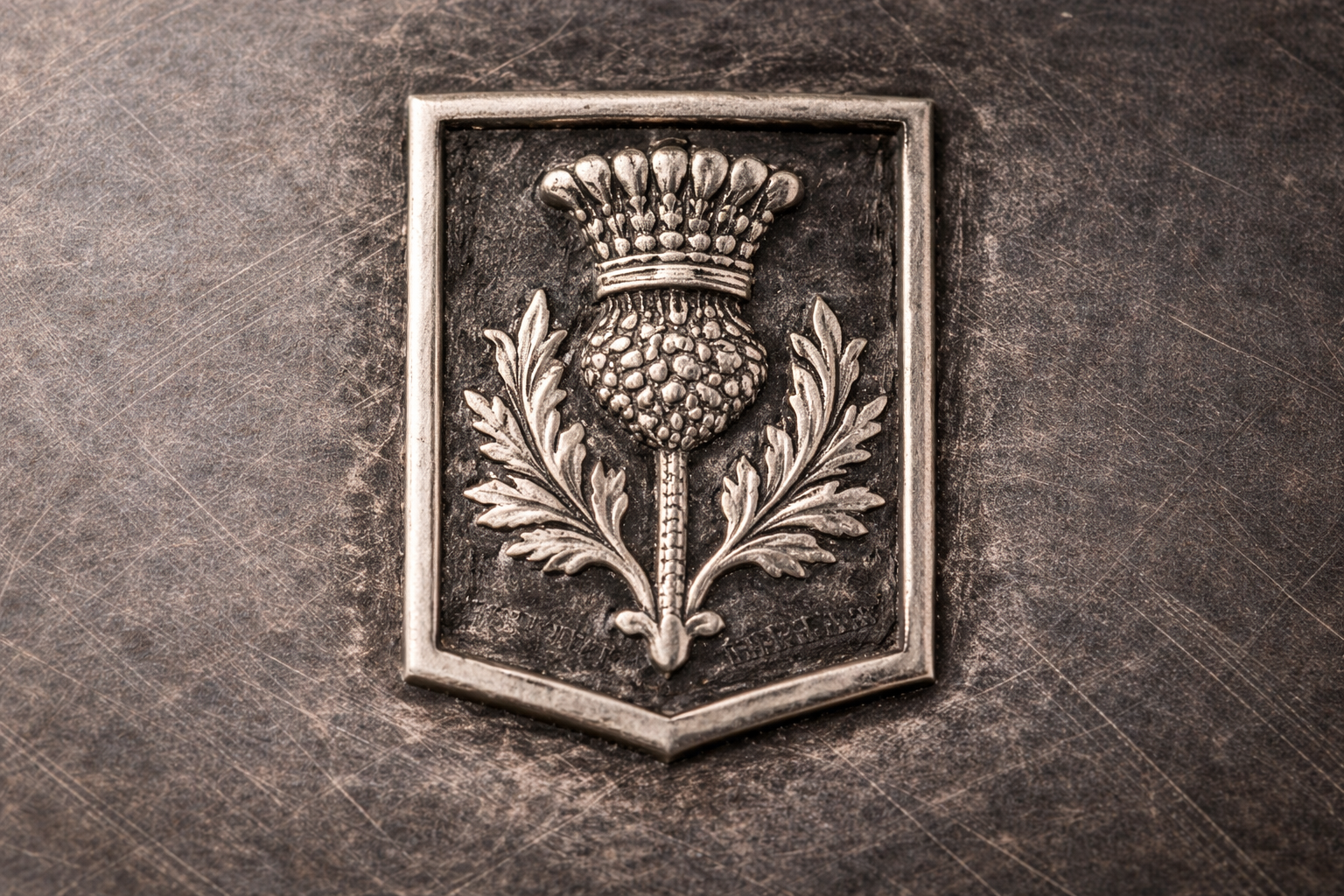
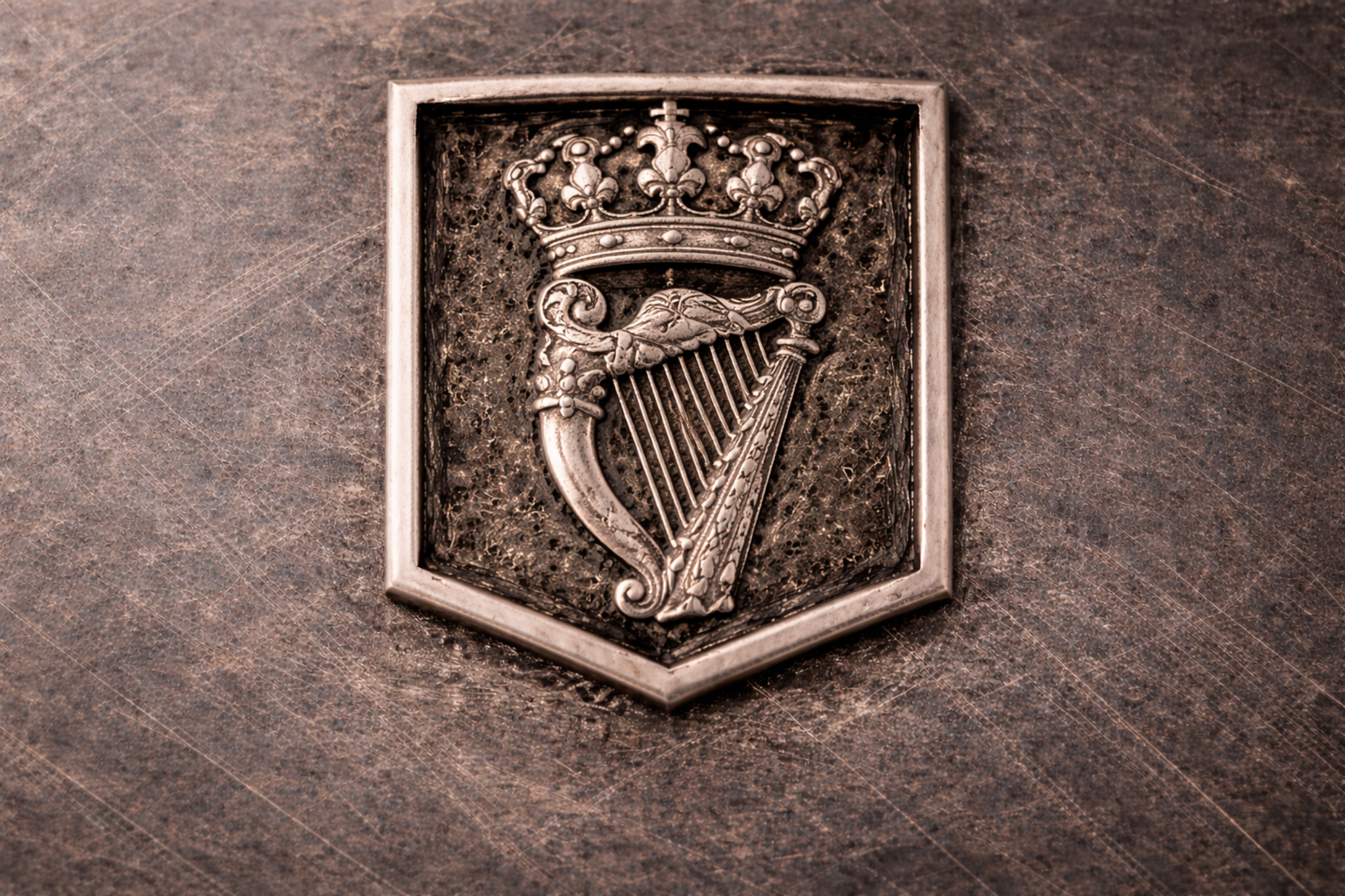
Scotland’s prickly emblem of independence — 1759 to 1975 and beyond. While England proudly displayed its Lion Passant and Ireland its Crowned Harp, Scotland chose the thistle — a tough, defiant plant that grows wild on the hills and has come to symbolise Scottish resilience, national pride, and unyielding spirit. This is the complete, in-depth story of the Scottish Thistle hallmark, one of the most distinctive and collectible marks in Scottish sterling silver history.
This deep dive is part of the Silver Hub on 925spot.com, your go-to place for sterling silver education, Scottish silver marks, verification, and market insights.
What the Scottish Thistle Actually Means
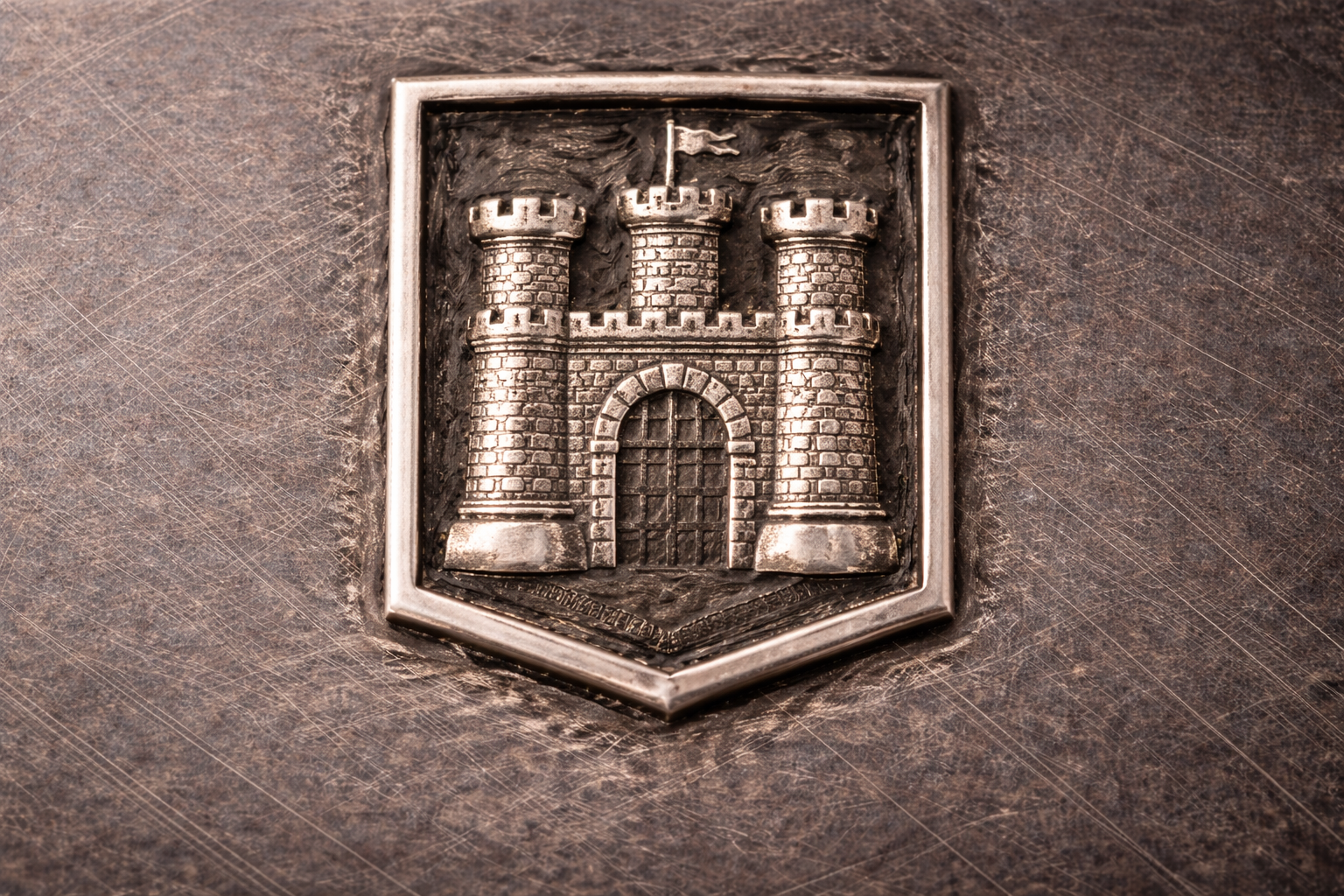
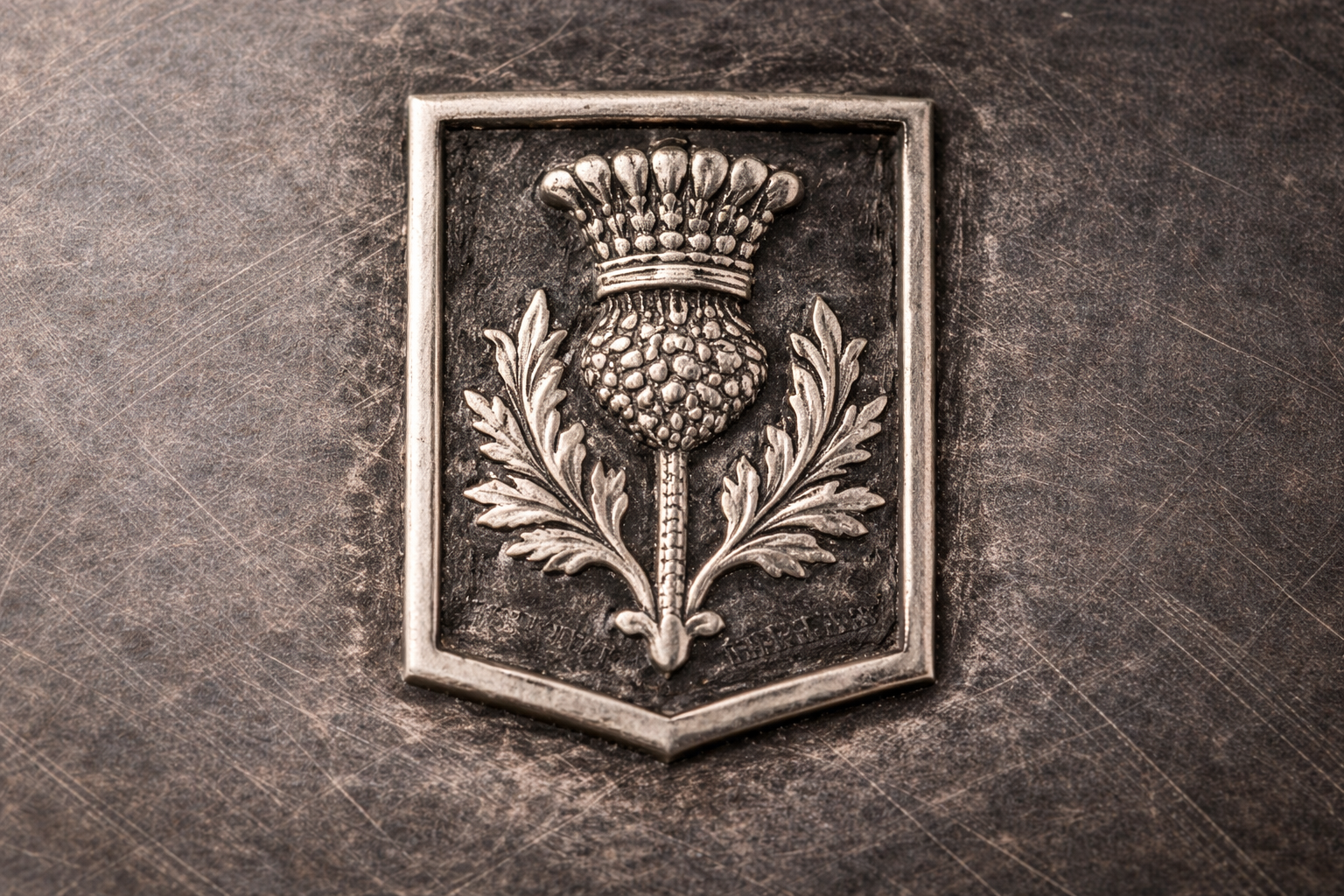
The Scottish Thistle is the official sterling standard mark used by the Edinburgh Assay Office from 1759 until 1975. It guarantees 92.5% pure silver (.925 fineness) and proudly displays Scotland’s national emblem — the thistle. Almost always paired with Edinburgh’s Triple-Towered Castle town mark, it instantly identifies a piece as authentic Scottish sterling silver.
If you’re holding a piece of Scottish sterling silver right now and want to be 100% sure it’s authentic, our flagship guide walks you through every test: How to Tell if Sterling Silver Is Real.
The Birth in 1759: Scotland Claims Its Own Identity
By the mid-18th century, Edinburgh’s silversmiths were producing some of the finest sterling silver in Britain, yet they still had to send pieces to London for assaying. In 1759 the Edinburgh Assay Office introduced the Scottish Thistle as its new sterling standard mark. The choice was deliberate and deeply symbolic: the thistle had been Scotland’s national emblem since at least the 13th century, representing resilience and the famous motto “Nemo me impune lacessit” (“No one provokes me with impunity”). This bold move gave Scottish sterling silver its own proud identity.
The End of an Era in 1975
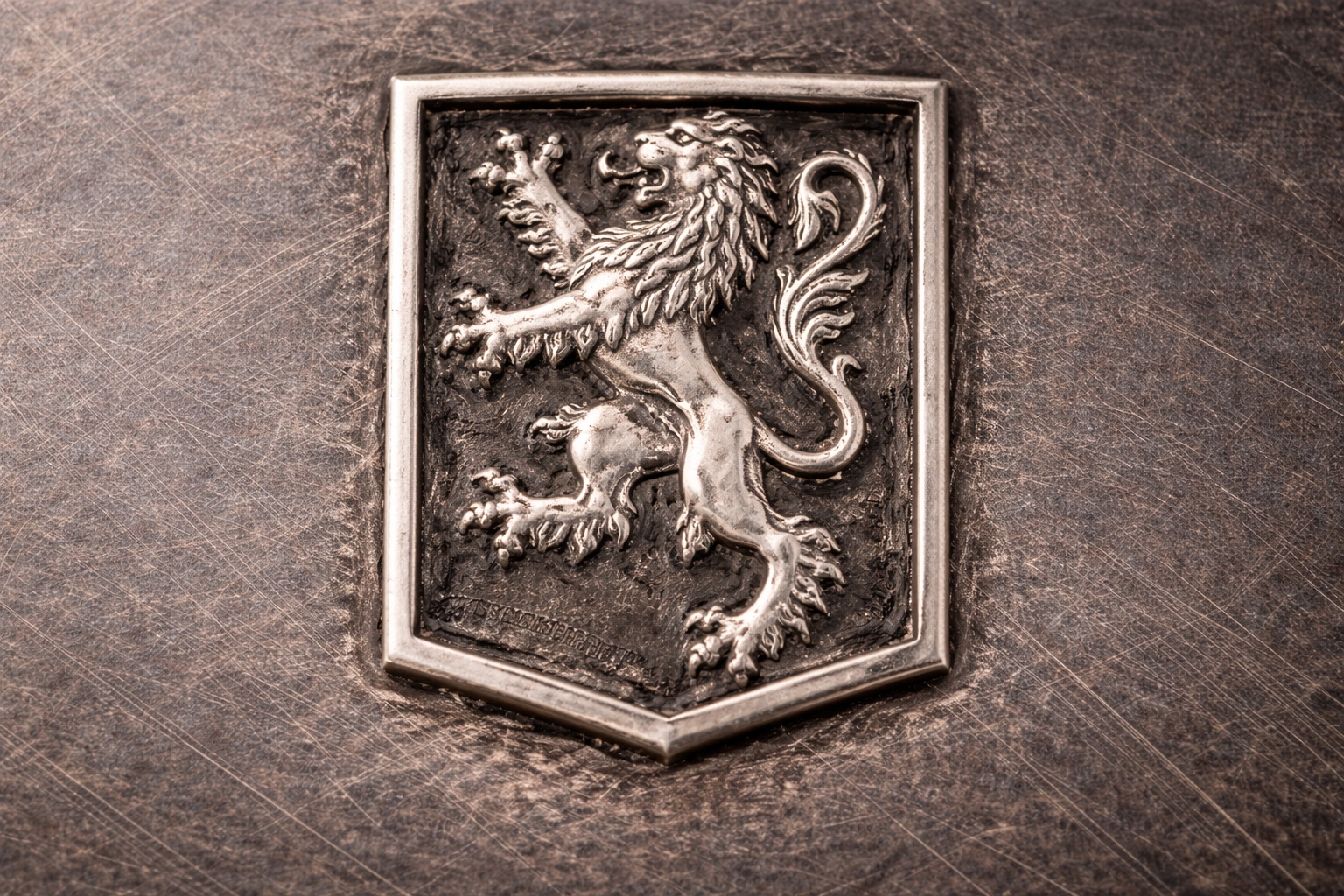
In 1975 the Edinburgh Assay Office modernised its marks. The beloved Scottish Thistle was replaced by the Lion Rampant as the new sterling standard mark. However, the thistle remains one of the most iconic and collectible Scottish silver marks, especially on pieces made between 1759 and 1975.
10 Fascinating Facts About the Scottish Thistle Hallmark
- National emblem: The thistle has been Scotland’s symbol since at least the 13th century.
- Used for 216 years: From 1759 until 1975 as Edinburgh’s official sterling silver mark.
- Prickly independence: Represents the motto “No one provokes me with impunity”.
- Paired with the Castle: Always appears with Edinburgh’s Triple-Towered Castle town mark.
- Replaced in 1975: Switched to the Lion Rampant, but pre-1975 thistle-marked pieces remain highly collectible.
- Still collected today: Scottish sterling silver with a clear thistle hallmark often commands premium prices.
- Appears on many items: Especially tea services, cutlery, salvers, and jewellery made in Edinburgh.
- Symbol of resilience: The thistle grows in harsh Scottish soil — a perfect metaphor for Scottish character and Scottish silver craftsmanship.
- Still recognised: Many people instantly identify the thistle as a mark of authentic Scottish sterling silver.
- Historical pride: One of the few hallmarks that openly celebrates national identity and Scottish independence.
The Scottish Thistle in the Modern Era (1759–2026)
Although no longer the current sterling mark for Edinburgh, the Scottish Thistle remains a beloved and instantly recognisable symbol of Scottish silver heritage. Pieces bearing this hallmark are still highly sought after by collectors of Scottish sterling silver worldwide.
Collector Tips: How to Spot the Real Scottish Thistle & Avoid Fakes
Look for the thistle alongside the Triple-Towered Castle. The thistle should be well-defined and prickly. Pieces made 1759–1975 are the most desirable. Fakes are usually poorly detailed or lack the correct accompanying marks. For a complete checklist of tests plus the latest scam red flags in Scottish sterling silver, read our guide: How to Tell if Sterling Silver Is Real.
Why the Scottish Thistle Still Matters in 2026
Every time you see the Scottish Thistle on a piece of sterling silver you are holding a piece of Scotland’s proud and defiant spirit — a symbol that stood for independence and national identity for over two centuries. Scottish sterling silver with the thistle hallmark continues to be highly valued by collectors for its historical importance and exceptional craftsmanship. If you want to know exactly what your Scottish silver piece is worth today, try our free Melt Value Calculator. For stacking strategies and why physical silver still matters, explore our full Silver Education Guide.
Frequently Asked Questions
What does the Scottish Thistle mark mean?
It means the piece is sterling silver assayed in Edinburgh, Scotland (1759–1975).
Why a thistle?
It is Scotland’s national flower and symbol of resilience and independence.
Is the Thistle still used today?
No — it was replaced by the Lion Rampant in 1975, but pre-1975 pieces are very collectible Scottish sterling silver.
What mark usually appears with the Thistle?
The Triple-Towered Castle (Edinburgh’s town mark).
Is Scottish silver with the Thistle valuable?
Yes — especially well-marked pieces from the 18th and 19th centuries are highly prized by collectors of Scottish silver marks.
Where can I learn more about silver prices?
Check our weekly updates in The Week Ahead or our core analysis hub Silver Market Analysis.
Further Reading & Best Resource

Online Encyclopedia of Silver Marks, Hallmarks & Makers' Marks
The most extensive internet resource for research of silver hallmarks & maker's marks. I used this site constantly when researching the complete history of the Scottish Thistle hallmark.