Hibernia – The Spirit of Ireland: The Seated Lady Who Began as a Tax Protest and Became Dublin’s Eternal Town Mark
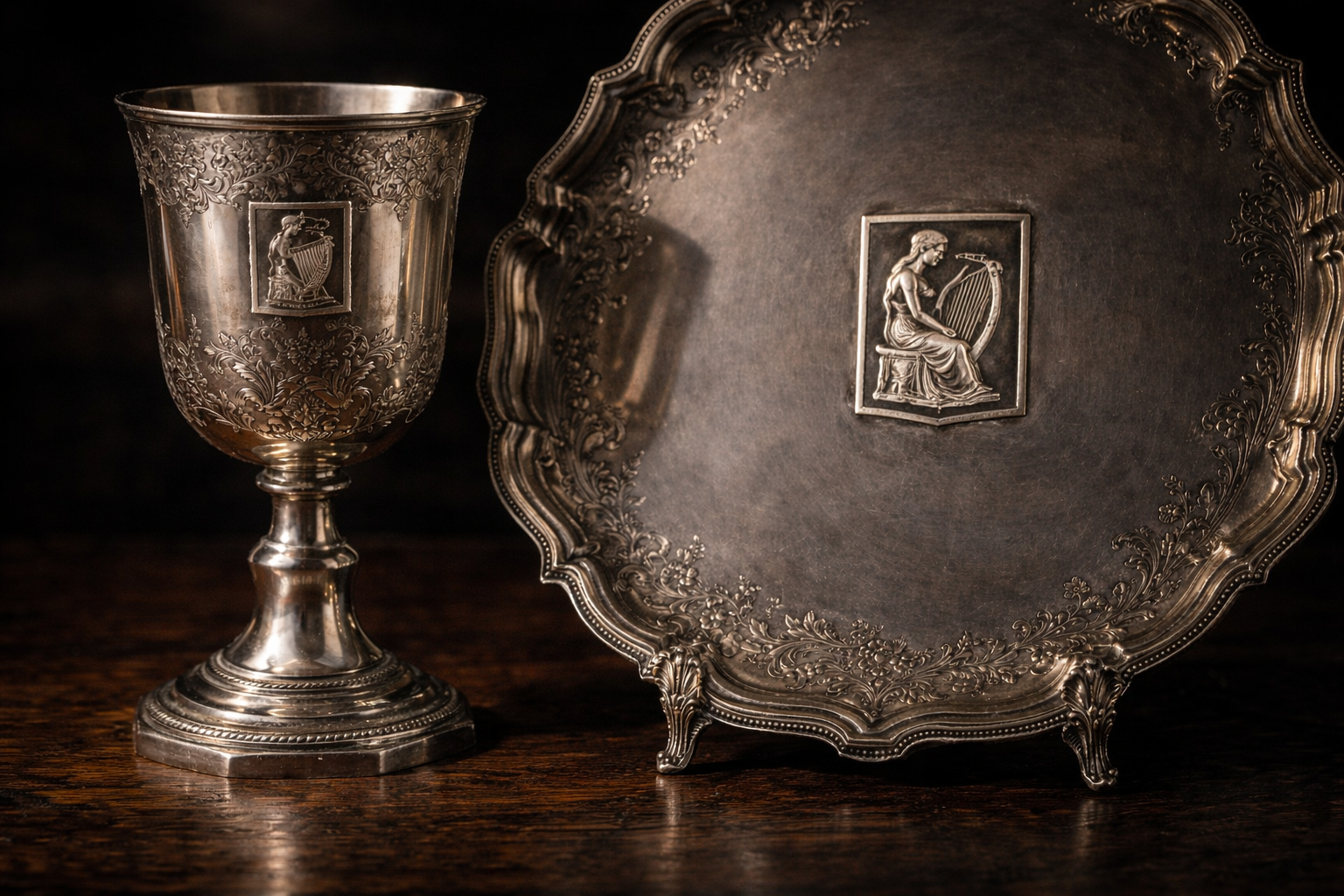
The seated lady who began as a tax protest and became Dublin’s eternal town mark. This is the complete, richly detailed story of Hibernia — the graceful female figure who has watched over Irish silver for nearly 300 years and remains one of the most poetic and symbolically powerful hallmarks in the world.
This deep dive is part of the Silver Hub on 925spot.com, your go-to place for sterling silver education, verification, and market insights.
What Hibernia Actually Means
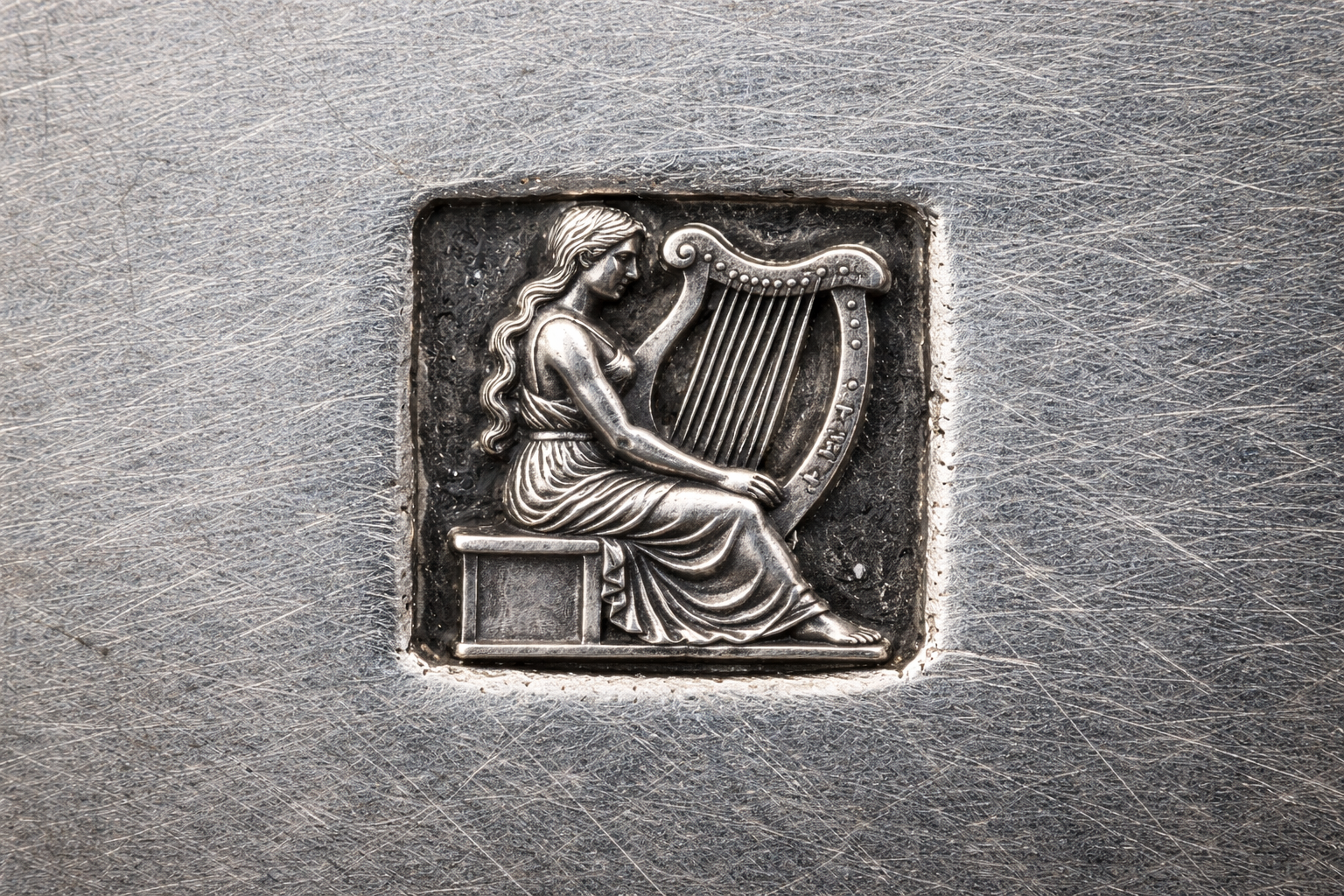
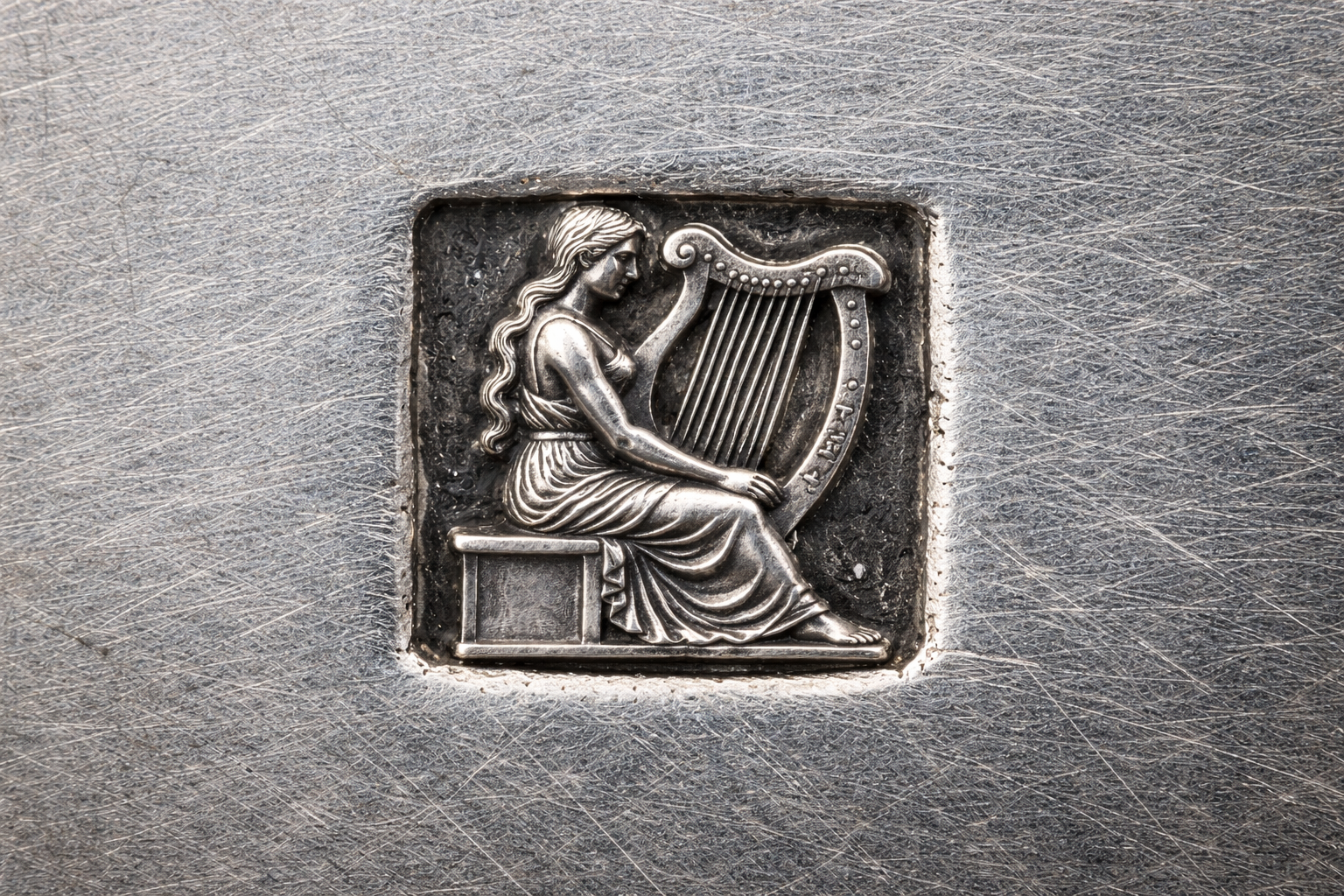
Hibernia is the classical personification of Ireland — a seated female figure, usually shown with a harp and often holding a palm branch or shield. Introduced in 1730, she originally served as a duty (tax) mark. Today she functions as Dublin’s official town mark and is struck on all Irish sterling silver alongside the Crowned Harp.

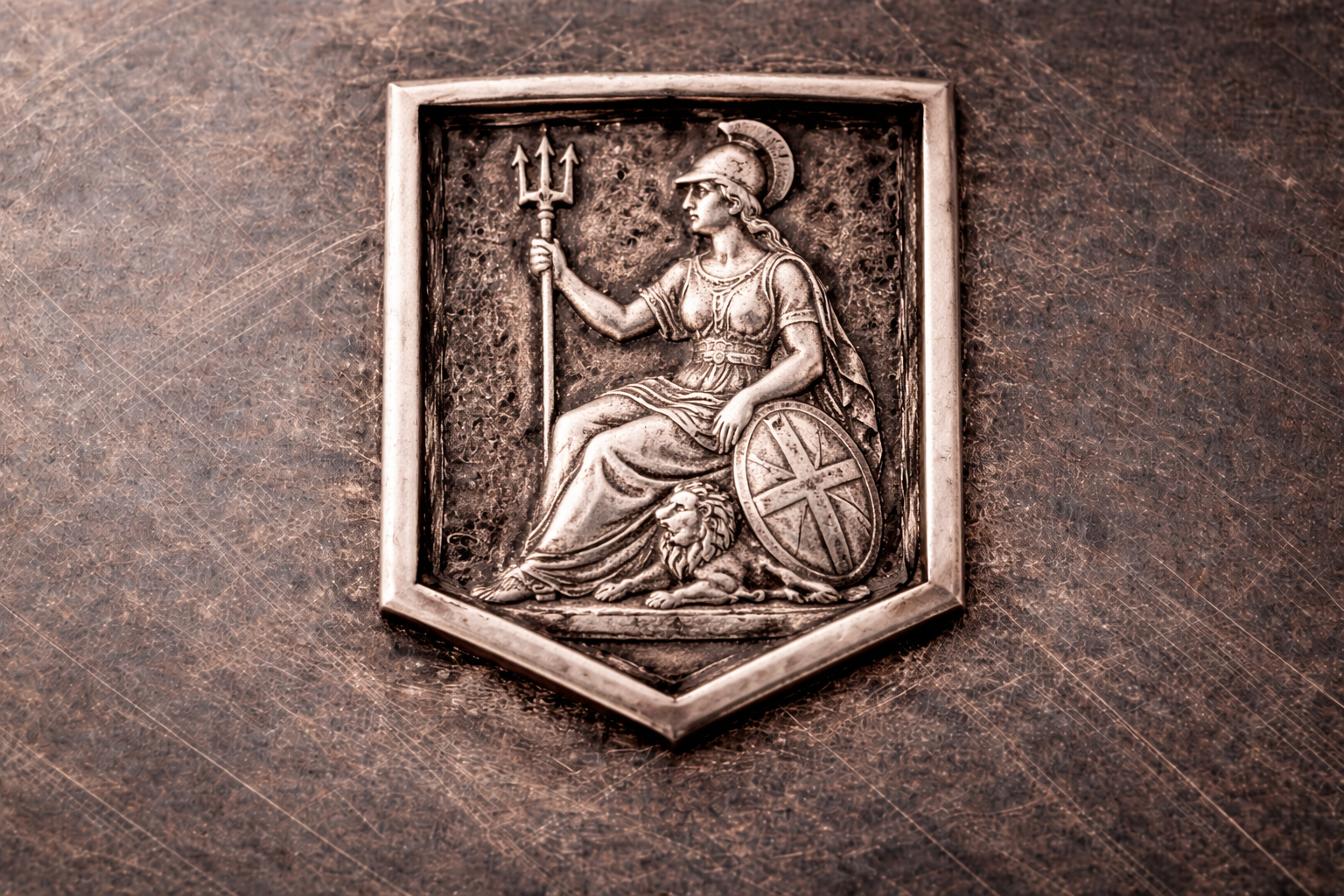
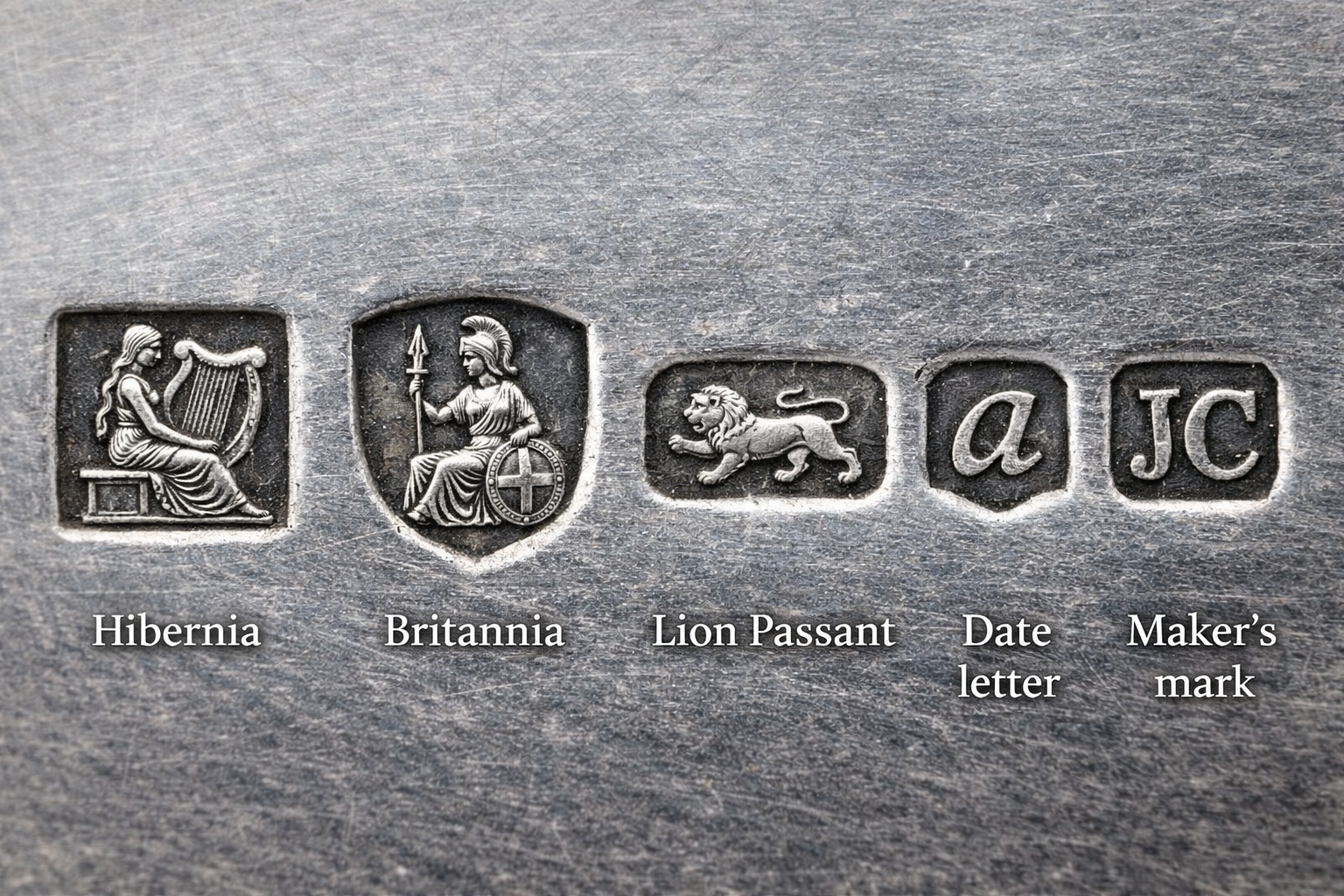
Hibernia vs Britannia: How to Tell Them Apart
Many collectors confuse Hibernia with the British Britannia mark because both show a seated woman. Here’s a clear visual and factual comparison:
| Feature | Hibernia (Irish) | Britannia (English) |
|---|---|---|
| Country | Ireland (Dublin only) | England / Britain |
| Introduced | 1730 | 1697 |
| Purpose | Originally a tax mark, now Dublin’s town mark | Higher purity standard (.958 silver) |
| Symbol | Seated lady with harp | Seated lady with spear and shield |
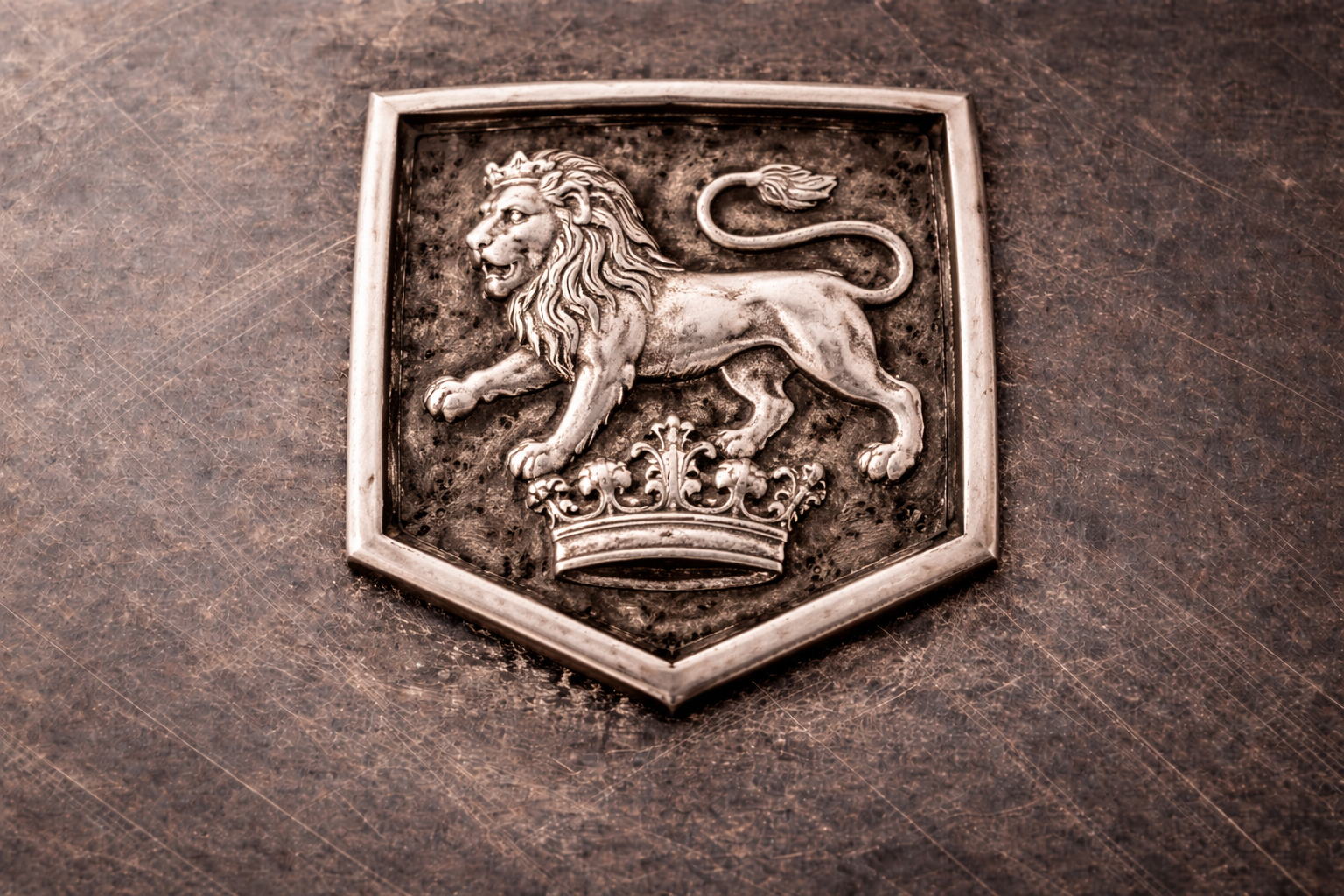
| Paired with | Crowned Harp | Lion’s Head Erased (1697–1720) |
| Still used today? | Yes – active on Irish silver | Optional on high-end English silver |
The Dramatic Birth in 1730: A Tax Protest Becomes a National Symbol
In late 1729 the Irish Parliament introduced a new duty on all silver plate. Goldsmiths were furious. When the duty mark was required from 25 March 1730, the Dublin goldsmiths chose Hibernia — the personification of Ireland herself — as a subtle act of protest. By placing Ireland on every taxed piece, they turned a hated levy into a source of national pride.
10 Fascinating Facts About Hibernia
- Born as protest: Introduced on 25 March 1730 specifically to indicate duty had been paid after a bitterly resented tax.
- Personification of Ireland: Hibernia is the classical female symbol of Ireland, equivalent to Britannia in Britain.
- Always seated: Unlike many marks, Hibernia is consistently depicted seated.
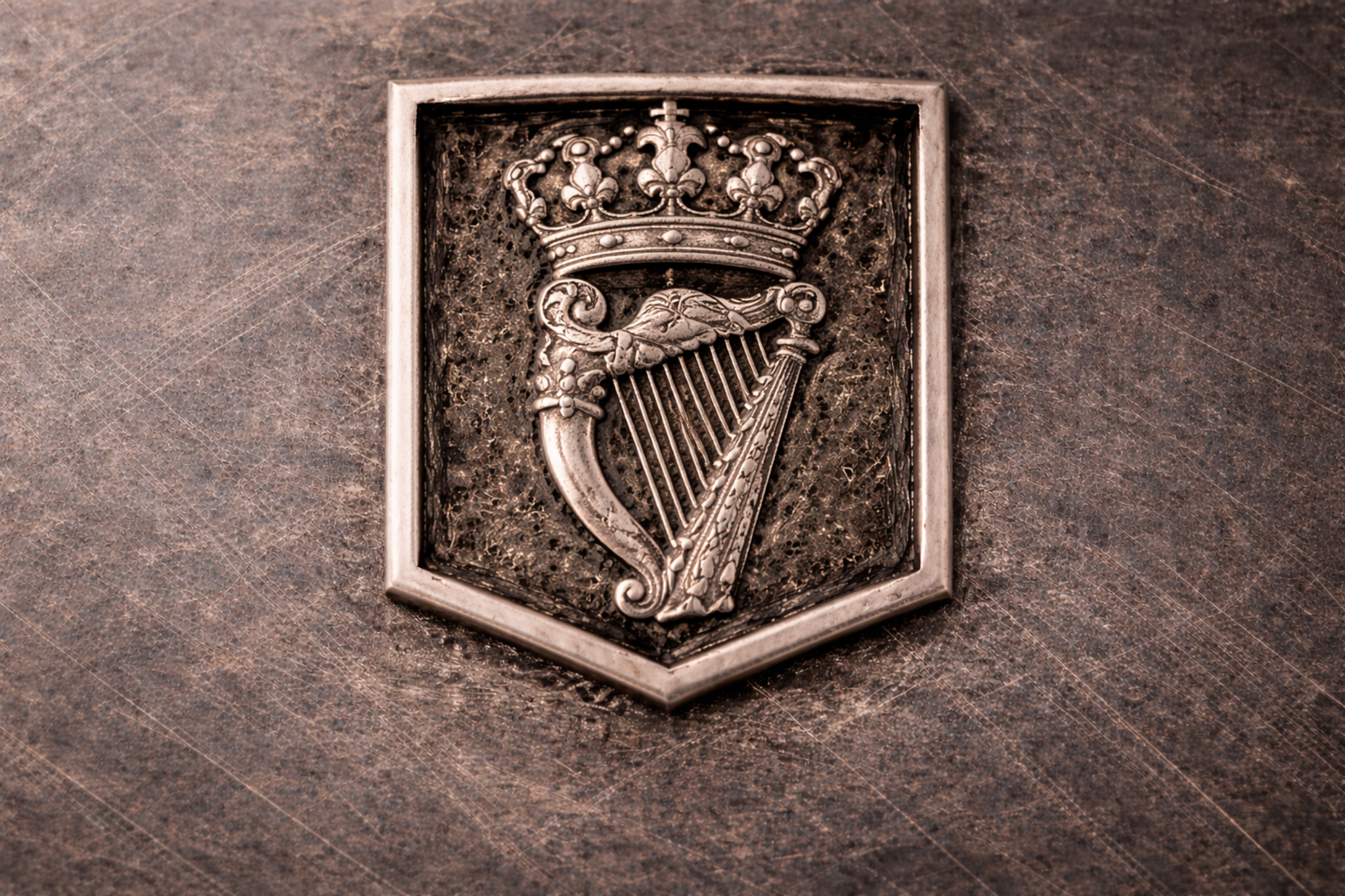
- Paired with the Crowned Harp: The combination of Hibernia + Crowned Harp is uniquely Irish.
- Survived major political change: Continued in use after the 1801 Act of Union and after Irish independence in 1922.
- Still used in 2026: The Dublin Assay Office still strikes Hibernia on all Irish-manufactured sterling silver.
- Collector premium: Pieces with clear, early Hibernia marks often command higher prices.
- Design variations: Early versions sometimes show her with a palm branch.
- Poetic hallmark: One of the few hallmarks that represents a nation rather than a monarch or city alone.
- National symbol: Hibernia remains an important emblem of Irish identity to this day.
Hibernia in the Modern Era (1730–2026)
Nearly three centuries after her introduction as a tax protest, Hibernia continues to grace Irish sterling silver. She remains a graceful reminder of Ireland’s history, resilience, and artistic heritage.
Collector Tips: How to Spot the Real Hibernia & Avoid Fakes
Look for the seated female figure alongside the Crowned Harp. She should be gracefully proportioned with clear details in the harp and robes. Fakes are often crudely drawn or lack the correct shield shape. For a complete checklist of tests plus the latest scam red flags, read our guide: How to Tell if Sterling Silver Is Real.
Why Hibernia Still Matters in 2026
Every time you see the seated Hibernia you are holding a piece of living Irish history — a graceful symbol that began as protest and became a beloved national emblem of pride and craftsmanship. If you want to know exactly what your piece is worth today, try our free Melt Value Calculator. For stacking strategies and why physical silver still matters, explore our full Silver Education Guide.
Frequently Asked Questions
What does Hibernia represent?
She is the classical personification of Ireland herself.
Why was she introduced in 1730?
As a duty mark during a tax protest by Irish goldsmiths against a new silver tax.
Is Hibernia only used on Irish silver?
Yes — she is exclusively a Dublin/Irish hallmark.
Can modern Irish silver still carry Hibernia?
Yes — the Dublin Assay Office continues to use her on all hallmarked sterling silver today.
What mark usually appears with Hibernia?
The Crowned Harp, Ireland’s sterling standard mark since 1637.
Where can I learn more about silver prices?
Check our weekly updates in The Week Ahead or our core analysis hub Silver Market Analysis.
Further Reading & Best Resource

Online Encyclopedia of Silver Marks, Hallmarks & Makers' Marks
The most extensive internet resource for research of silver hallmarks & maker's marks. I used this site constantly when researching the complete history of Hibernia.