55 Fascinating Facts About the Early History of Silver

Discover 55 fascinating facts about the early history of silver—from prehistoric Anatolian discoveries and ancient metallurgy to Greek coins, Roman wealth, and global trade networks. Explore how silver shaped civilizations, power, and money across thousands of years.
Prehistoric discovery to Roman empire • Cupellation • Hacksilver economies • Laurion mines • Andean smelting • 6th millennium BCE – 1st century CE
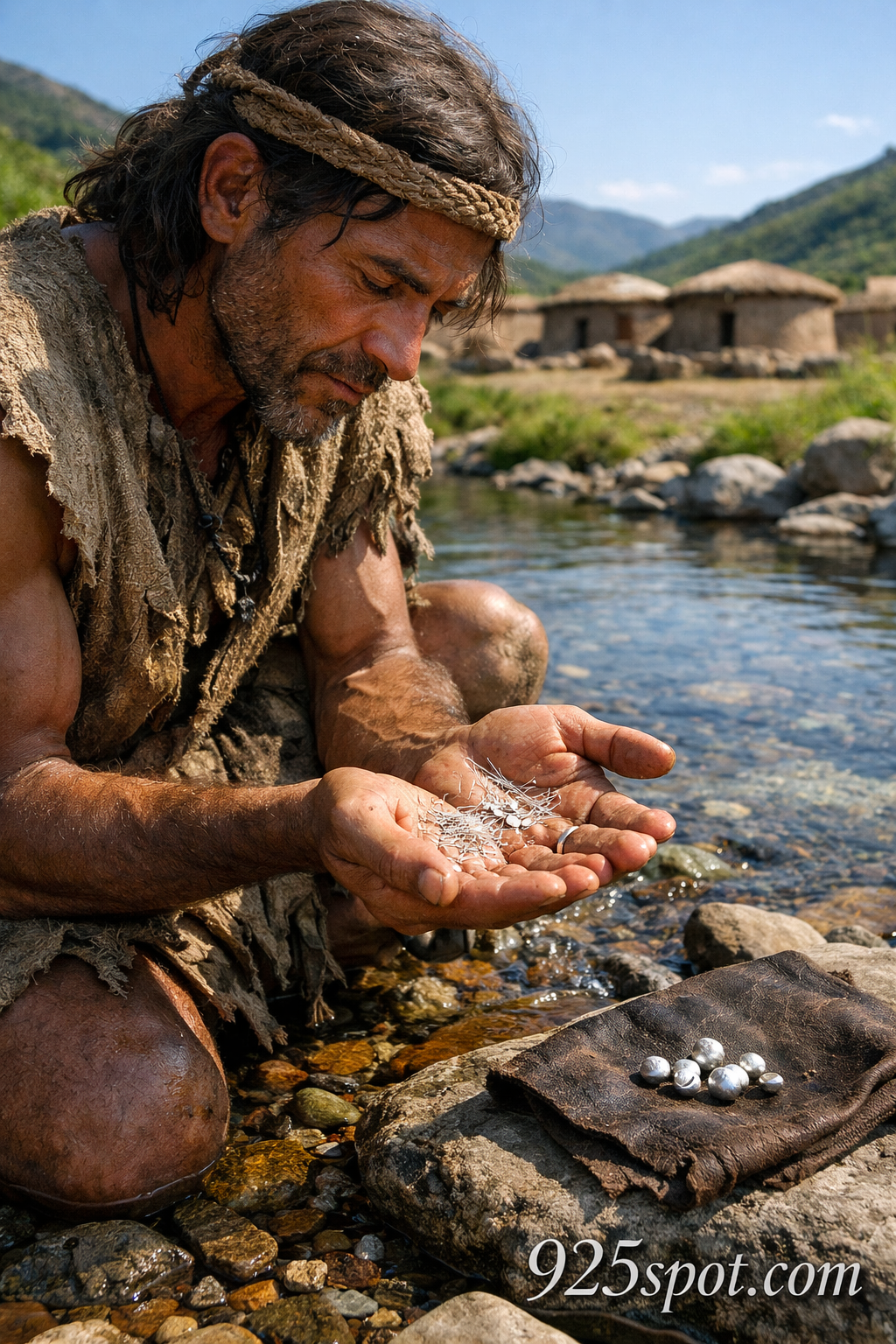
Prehistoric peoples across southwest Asia first noticed rare native silver in the form of thin wires or tiny flakes scattered in streams and mineral outcrops as early as the 6th millennium BCE. A handful of possible native-silver beads from Domuztepe in Kahramanmaraş Province, Turkey, stand out as the earliest known examples—likely cold-hammered by Chalcolithic craftspeople who were already experimenting with shiny metals. These beads are outliers rather than evidence of a widespread silver economy, yet they prove that silver’s brilliant, untarnished luster already captivated humans long before metallurgy became systematic. Because native silver was rarer and less obvious than gold nuggets, its discovery probably happened accidentally during copper or lead prospecting, turning random shiny finds into the very first prestige ornaments that hinted at the metal’s future power.

Across southwest Asia, Egypt, and the Aegean, silver objects suddenly appear more frequently in settlements and burials, coinciding exactly with the first widespread appearance of lead objects and proving that ancient metallurgists had begun deliberately linking lead and silver ores in a revolutionary “lead–silver complex” that would define silver production for millennia. This surge reflects parallel experimentation in connected exchange networks rather than a single invention point, with litharge (artificial lead-oxide waste) turning up at multiple sites and confirming that high-temperature refining had become a practical technology. The timing also matches the rise of early complex societies, where silver quickly shifted from occasional curiosity to a material that signaled status and ritual importance.
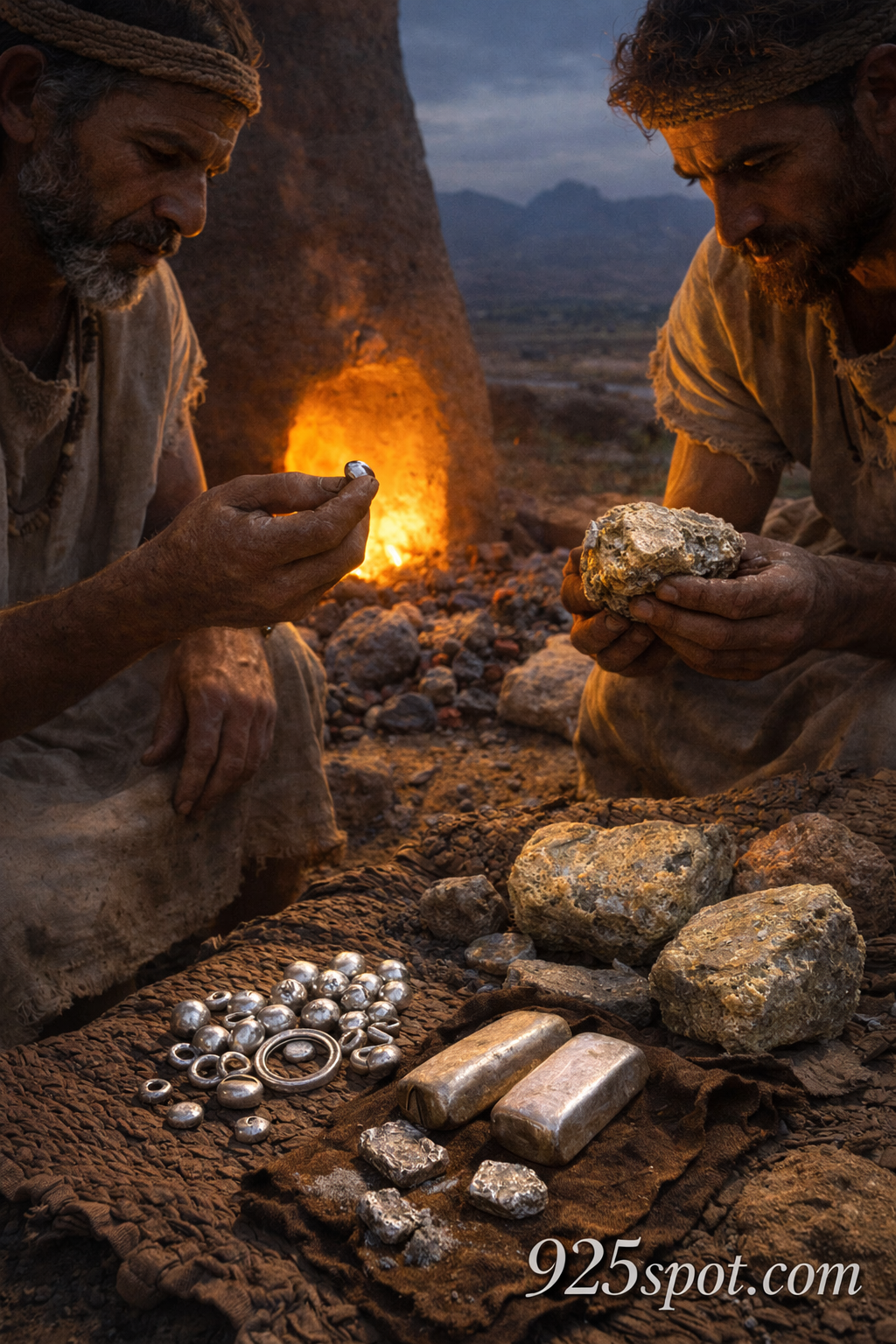
In Layer III:5 (roughly the first half of the 4th millennium BCE, around 3660–3520 BCE), archaeologists recovered silver items alongside unmistakable lumps of litharge—the tell-tale artificial lead-oxide waste produced only during cupellation—confirming that high-temperature oxidizing furnaces were already operating in Uruk-horizon settlements on the Iranian plateau. This evidence pushes reliable silver metallurgy back earlier than many once thought and shows that cupellation was not limited to Anatolia but was part of a broader technological horizon. The finds suggest organized workshops where metallurgists could consistently separate silver from galena ores, achieving metal purity high enough to be worked into beads, rings, and small prestige objects that impressed early urban elites.
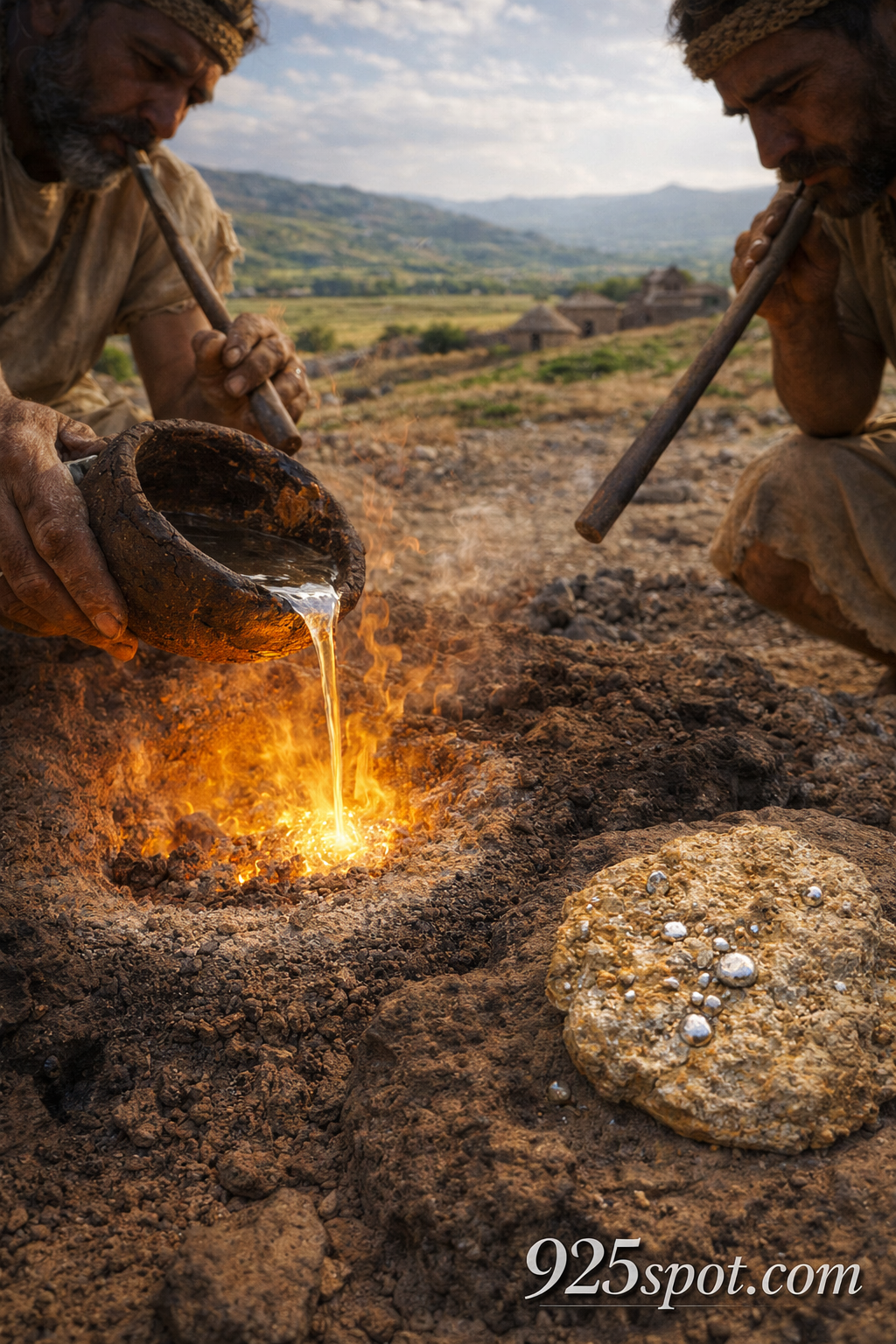
Fourth-millennium BCE slags excavated here are loaded with lead oxide and contain visible silver-metal inclusions at parts-per-million levels, while the accompanying litharge cakes reveal that the hearth linings were made from a local quartz–marl mixture rather than the bone-ash cupels that became standard in later periods. Analytical work on these slags demonstrates that early smiths had already mastered the delicate balance of temperature, oxygen flow, and refractory materials needed to oxidize lead away and leave behind nearly pure silver. This site’s technical details prove that cupellation was not a crude trial-and-error process but a sophisticated, repeatable craft that spread quickly through connected Chalcolithic communities.
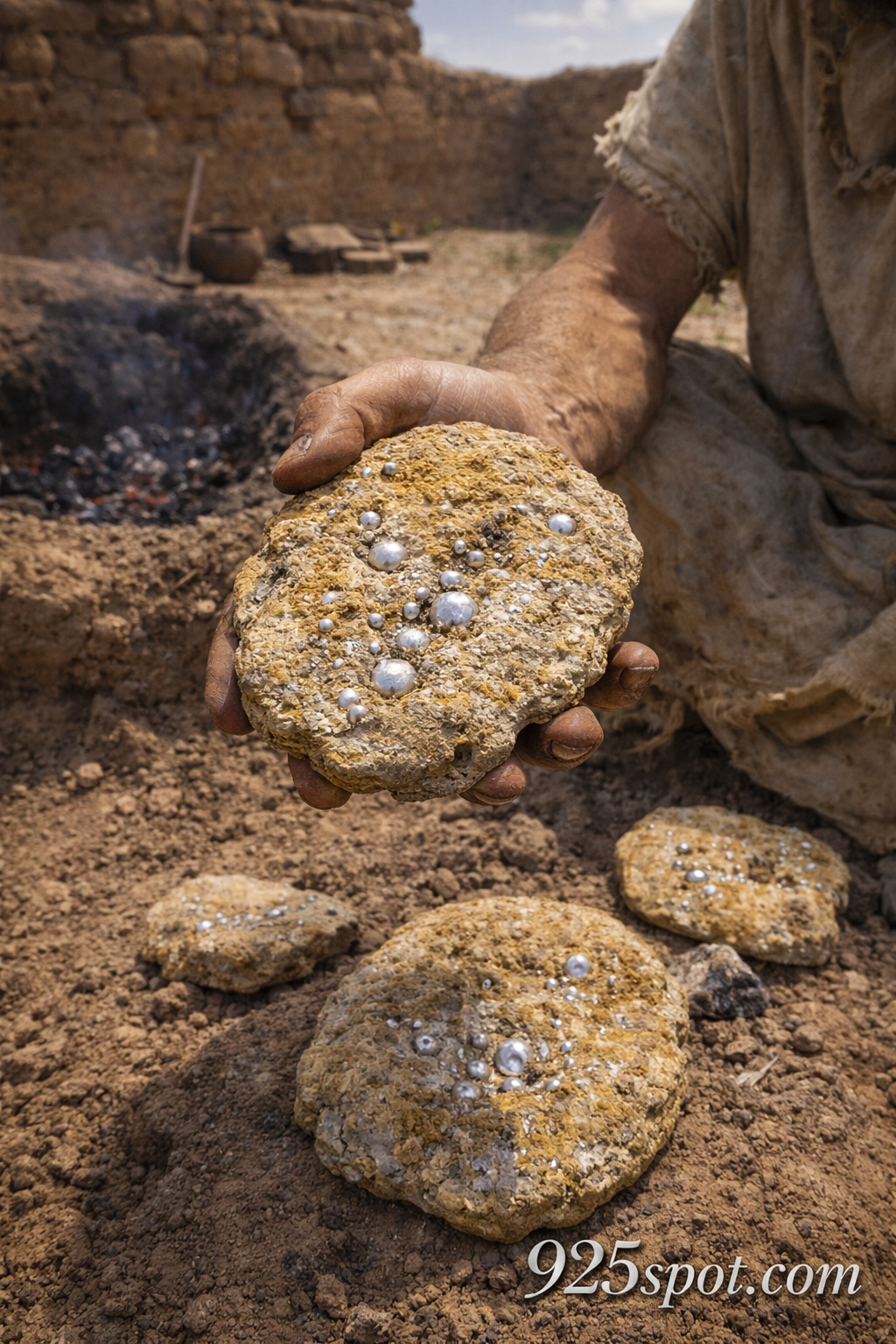
Because this lead oxide forms only as artificial waste inside cupellation hearths and does not occur naturally at occupational sites, every lump of litharge found at early Iranian and Anatolian settlements is direct proof that someone was deliberately blowing air over molten argentiferous lead to isolate silver at high temperatures. Archaeologists rely on these distinctive cakes, often bearing trapped silver droplets, to map the very beginnings of large-scale refining long before finished silver artifacts become common. Their presence at multiple 4th-millennium sites shows that the technology was already widespread enough to leave a clear metallurgical signature across an entire region.
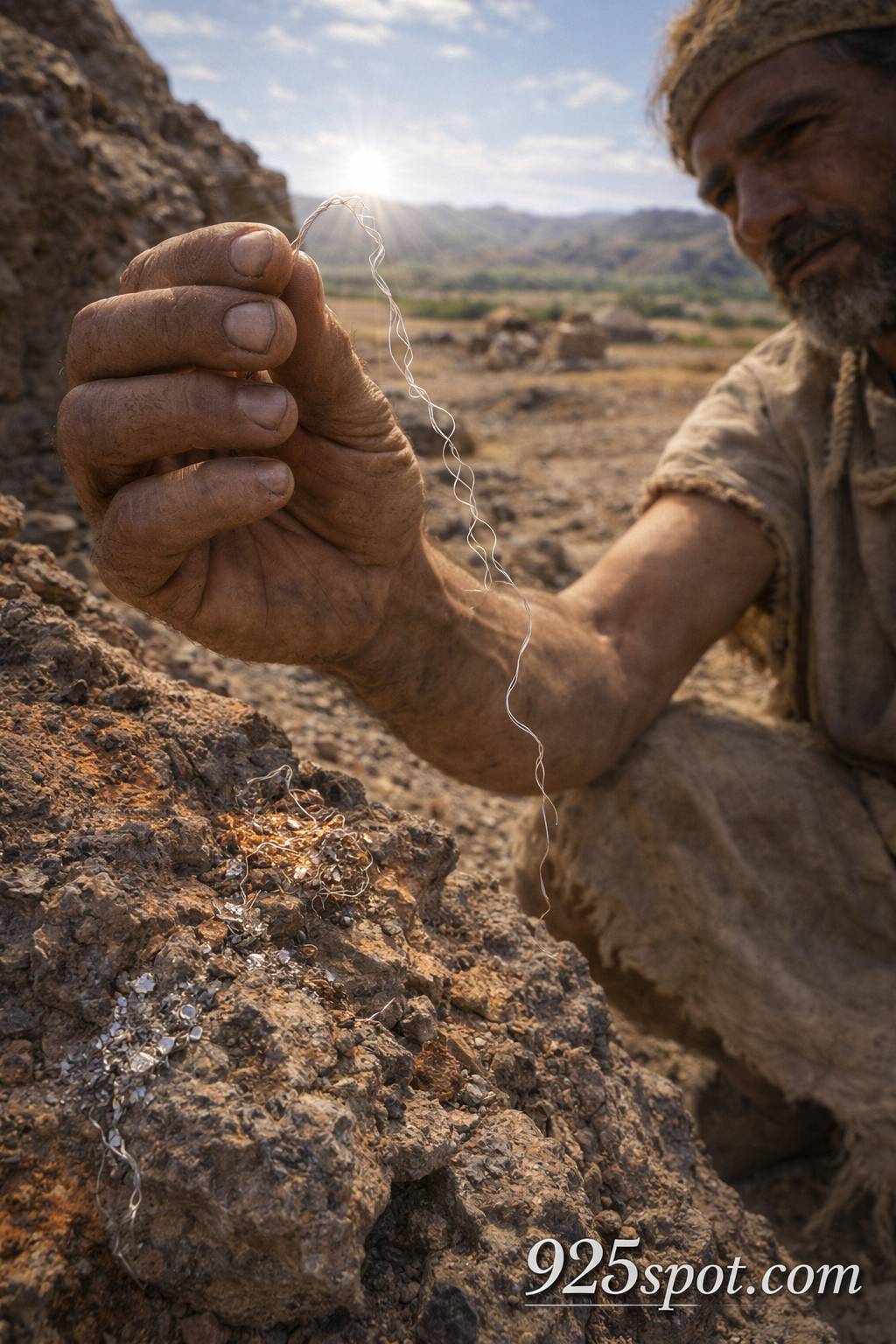
This subtle, wire-like form made silver harder to spot and collect than gold, so early metalworkers probably discovered it while prospecting for copper or lead deposits in the same geological formations, gradually learning that the bright threads could be hammered cold into small ornaments. The scarcity of large native pieces explains why silver lagged slightly behind gold in early prestige use and why the real breakthrough came only when cupellation unlocked silver trapped inside lead ores. Yet those first accidental wire finds still sparked the human imagination and set the stage for silver’s eventual role as the metal of money and power.
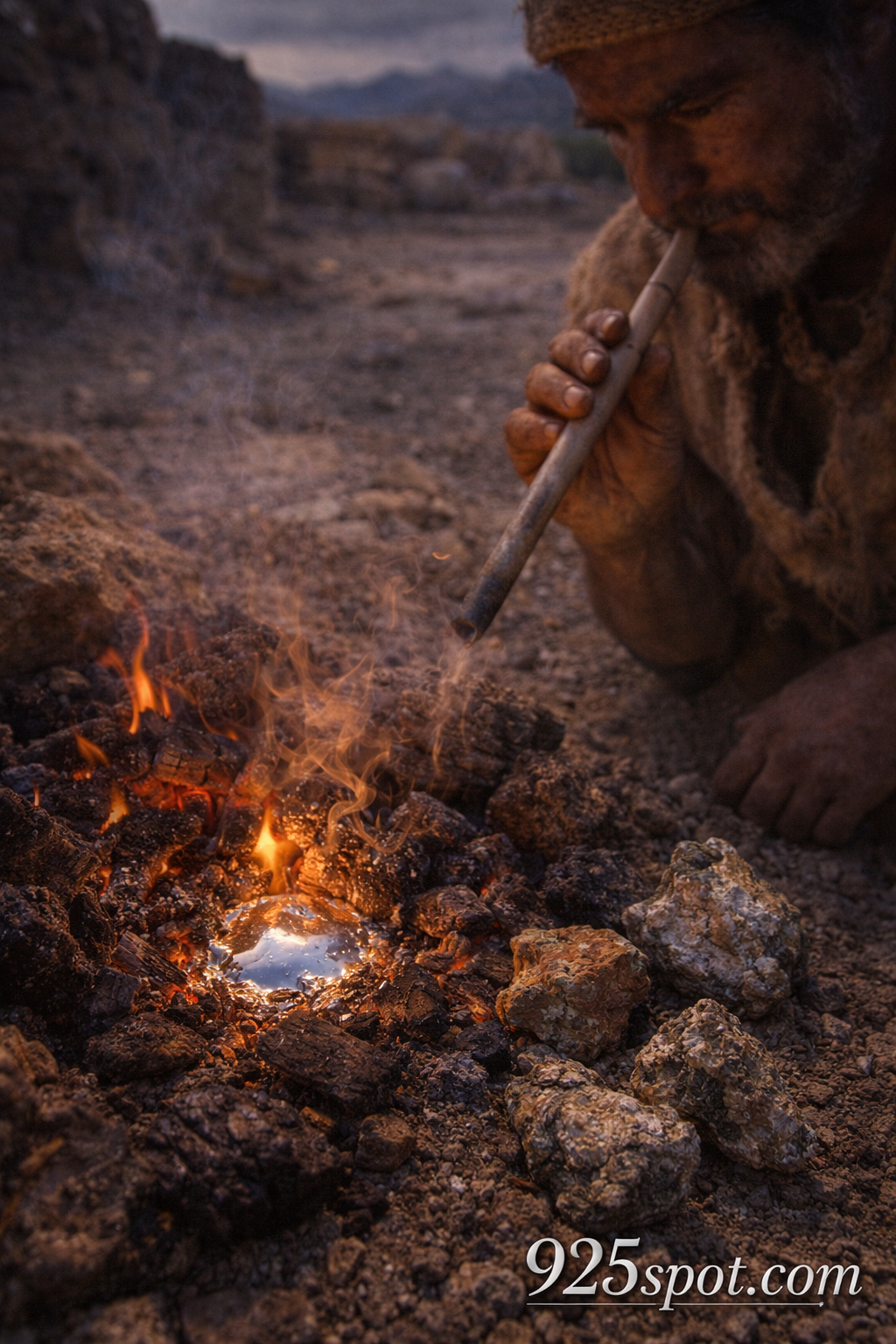
Before full cupellation became dominant, certain silver minerals such as cerargyrite offered a simpler low-tech route that could be reduced directly in a charcoal fire, giving prehistoric smiths an easier entry point into working the bright new metal without needing complex lead-smelting setups. This accessible chemistry likely encouraged early experimentation in areas where silver chloride occurred naturally alongside other ores. It bridged the gap between pure native silver and the more sophisticated cupellation process that would eventually dominate production for thousands of years.
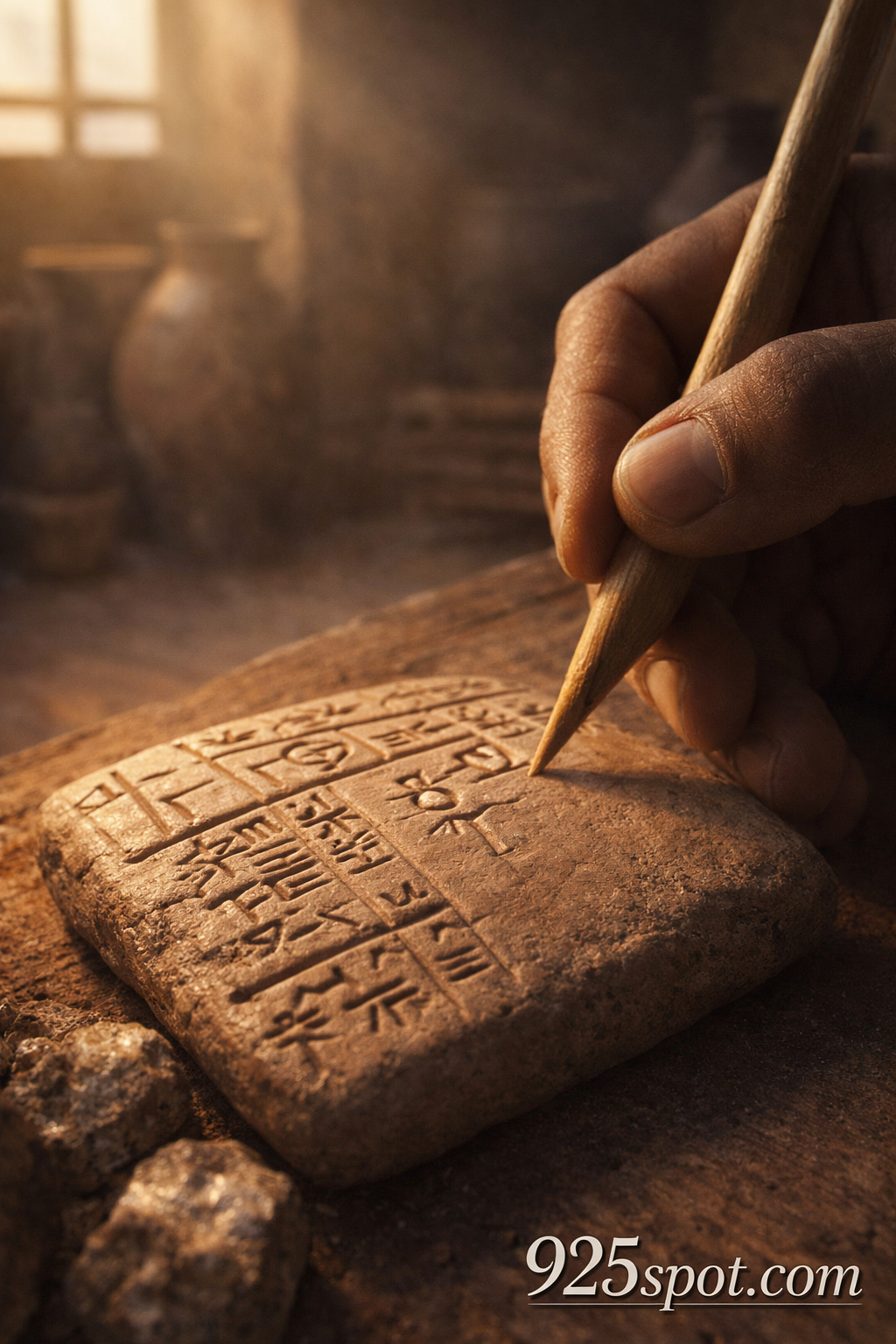
The very first writing systems in Mesopotamia used a dedicated sign for silver that carried strong semantic associations with “precious,” “pure,” and “noble,” embedding the metal deep into the administrative and ritual vocabulary of the world’s earliest cities right at the dawn of recorded history. These texts appear in temple contexts, suggesting silver was already being offered to gods and tracked by scribes as a high-value material. The linguistic framing shows how quickly silver moved from a novel shiny object to a culturally loaded symbol of elite power and divine favor.
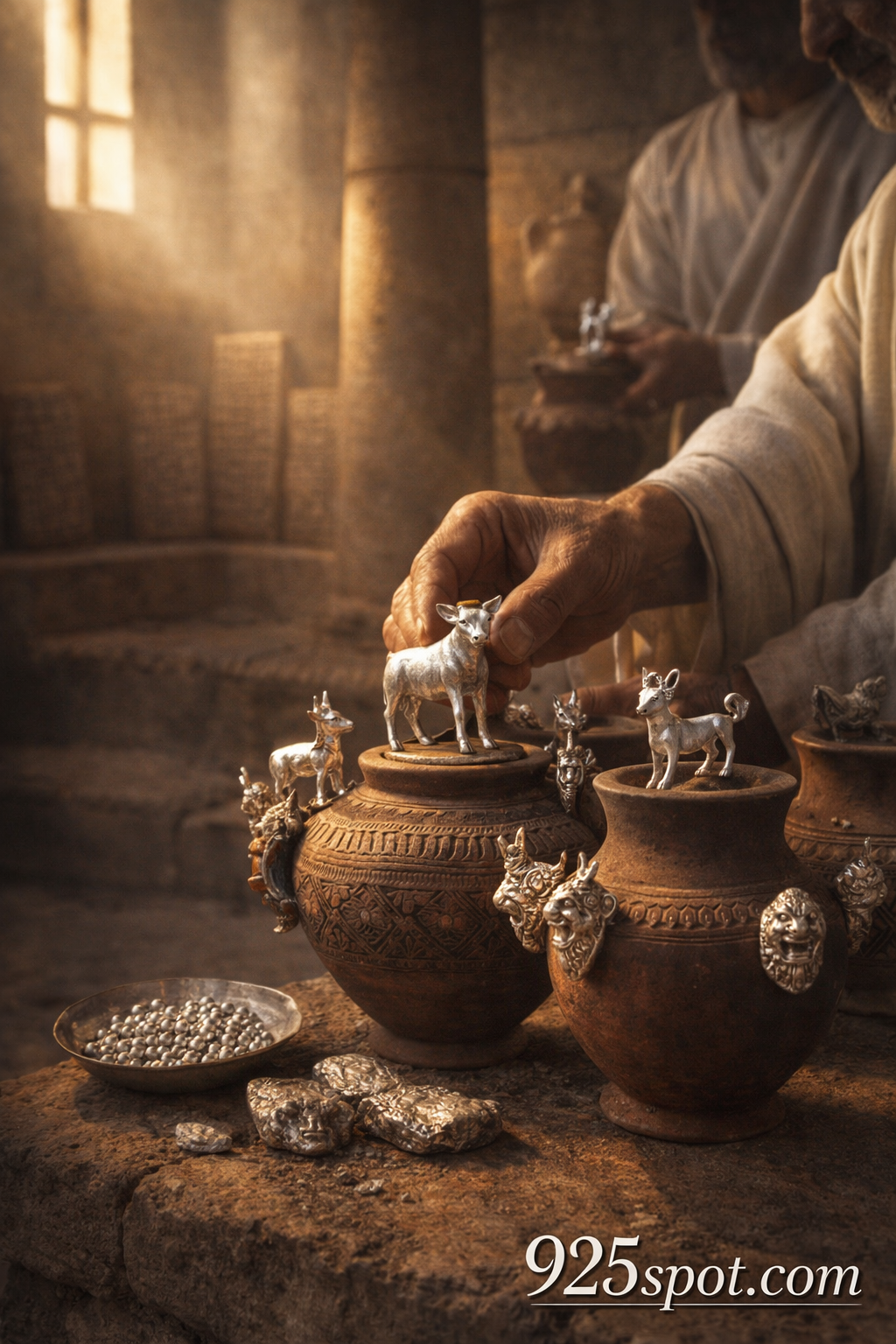
In fourth-millennium ritual assemblages from Uruk-period temples, silver appeared as small animal figurines and decorative attachments on vessels, linking the metal visually and symbolically to purity and divinity in the eyes of the first city-state priests and worshippers. These objects were often found in elite or sacred contexts, indicating that silver had already become a prestige material reserved for the gods and the ruling class. Their presence alongside the earliest textual mentions reinforces silver’s rapid integration into the symbolic economy of emerging states.
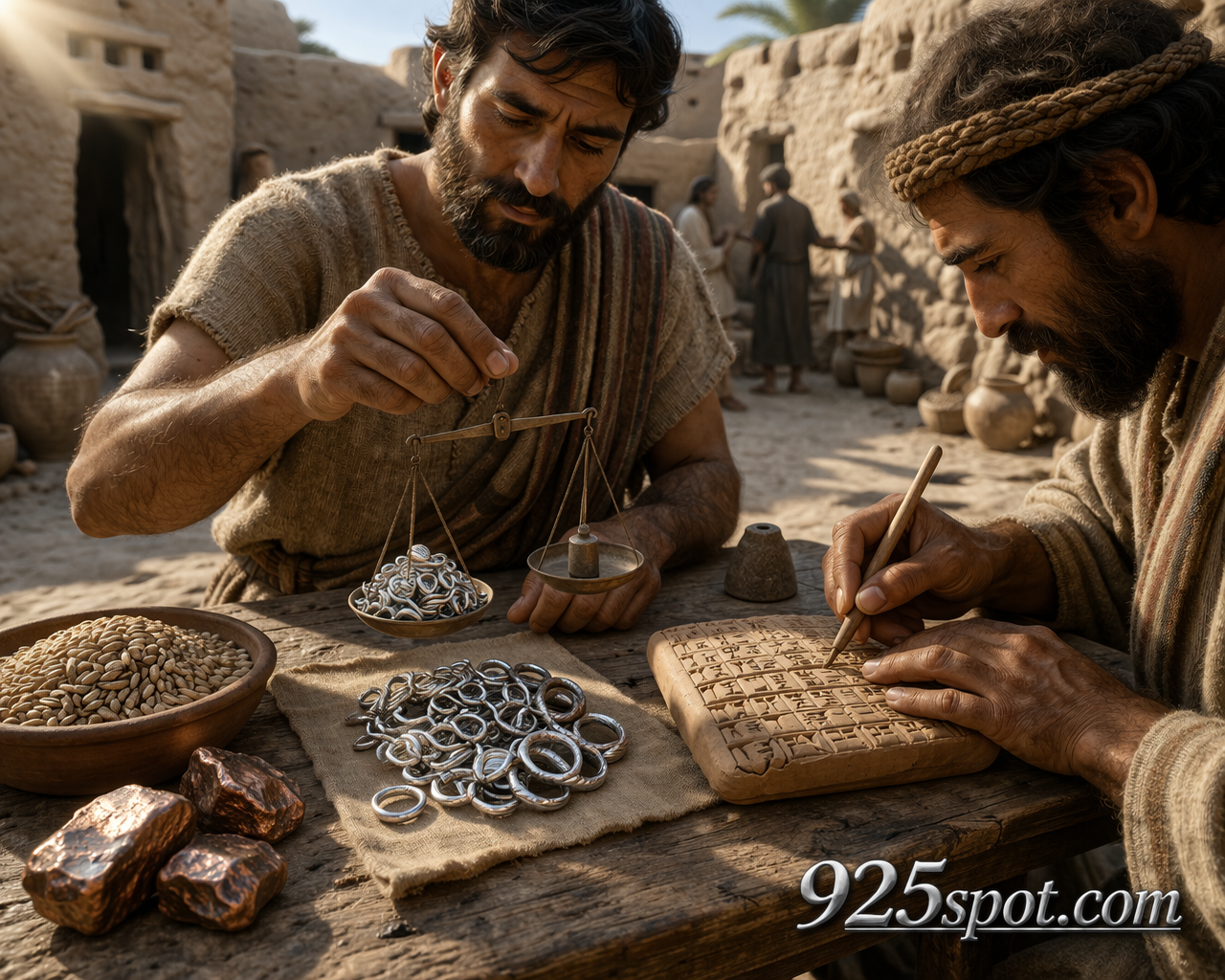
In archaic Mesopotamia there is no solid evidence it functioned as everyday money; instead it remained a prestige good until Early Dynastic sale documents begin listing silver alongside barley and copper in land and house transactions, marking the first clear shift toward weighed metal as a means of payment. This gradual transition reflects growing economic complexity and the need for a high-value, portable standard that could replace bulkier commodities. Over time the metal’s reliability and divisibility made it indispensable for recording debts, wages, and taxes.

Over the following centuries it took on multiple economic roles—loans with interest, tax payments, wages for laborers, and purchases of everything from fields to enslaved people—functioning as a true unit of account purely by weight in the form of rings, coils, or standardized shekels long before any coins were minted. Scribes meticulously recorded these transactions on clay tablets, showing silver’s growing dominance over copper as the preferred medium. This shift helped integrate markets across city-states and laid the groundwork for the weighed-bullion economies that would dominate the Near East for more than a thousand years.
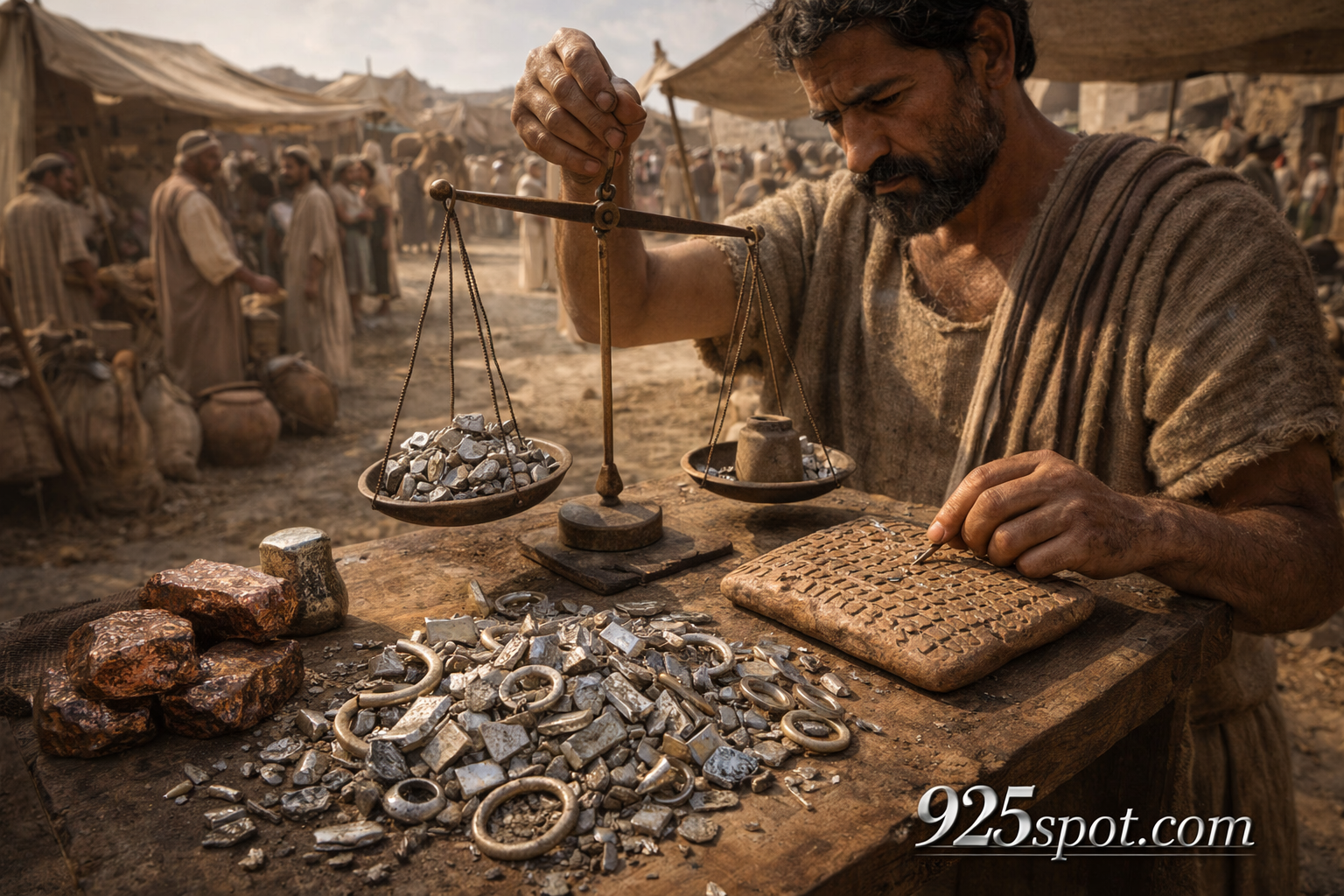
Despite having zero local silver deposits, the region used hacksilver—chopped pieces of jewelry, ingots, and rings weighed on balances—as the dominant means of payment and value measure for roughly a thousand years, from the Middle Bronze Age through the Iron Age, forcing merchants to maintain sustained long-distance trade networks simply to keep the economy functioning. The absence of local sources made the silver economy especially sensitive to disruptions in Mediterranean routes, yet the system proved remarkably resilient. Chemical and isotopic studies of dozens of hoards confirm that silver circulated as a true currency centuries before the invention of coinage.
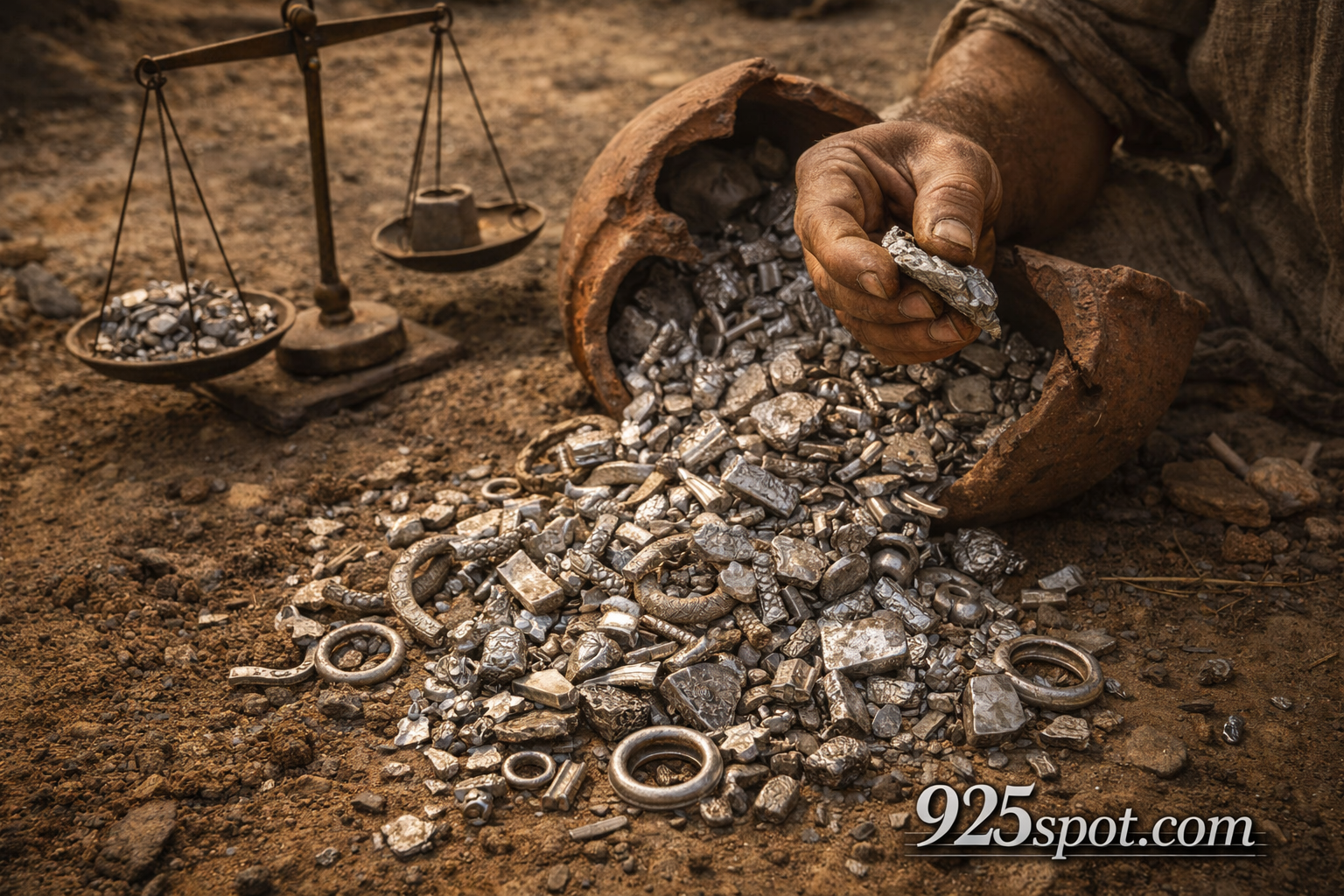
These collections of deliberately cut and broken silver pieces, dating from Middle Bronze Age III onward, show systematic weighing, circulation, and occasional recycling rather than simple hoarding of prestige items, with the earliest well-dated examples clustering around 1650 BCE. The sheer number and geographic spread of the hoards provide one of the densest data sets for pre-coinage money anywhere in the ancient world. Their composition—mixed with occasional gold or copper scraps—reveals a practical, everyday monetary system operating at the household and merchant level.
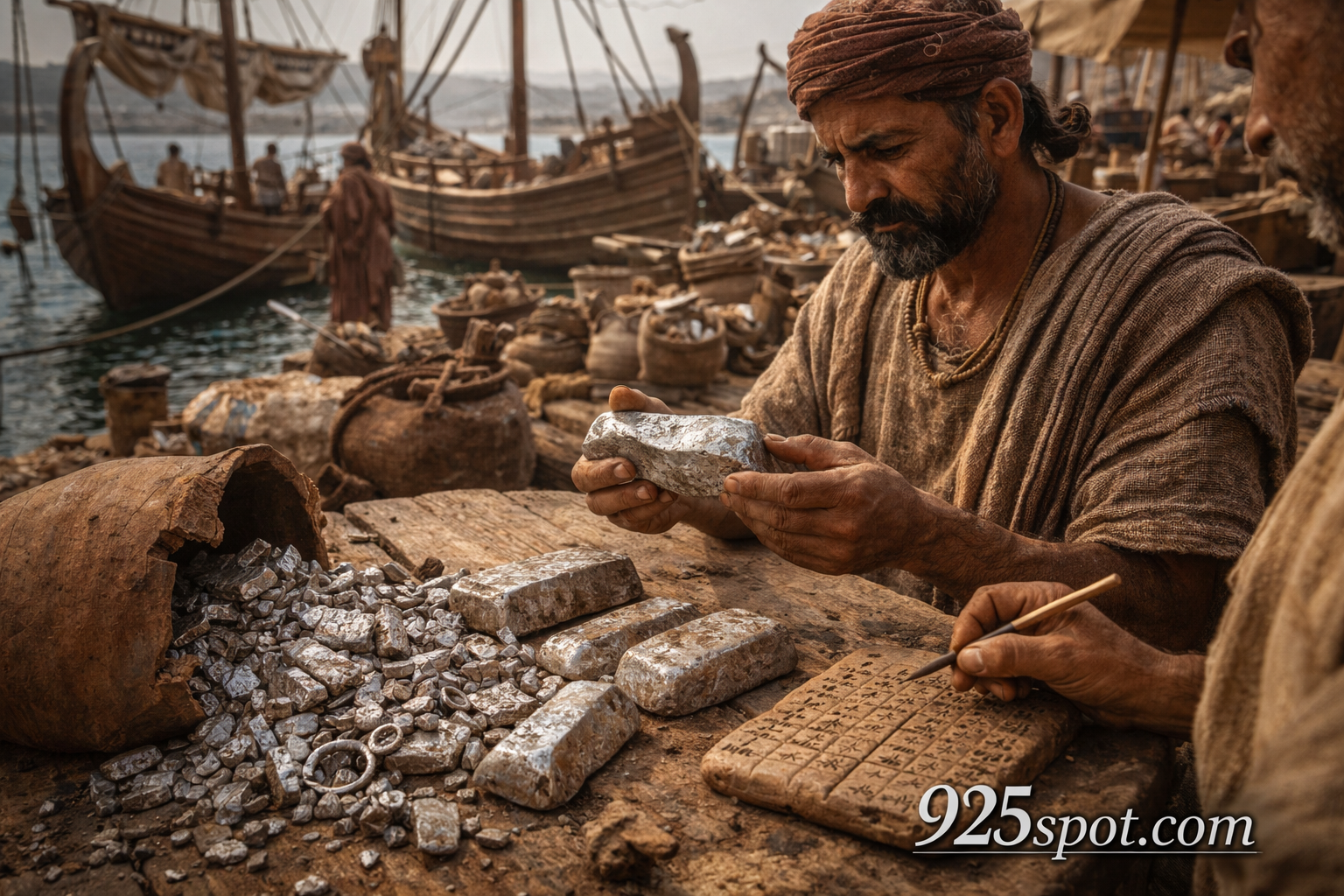
Early supplies traced to Anatolia and Greece through isotopic fingerprints; after the Late Bronze Age trade collapse around 1200 BCE, Phoenician maritime networks revived and redirected flows from Sardinia and later Iberia, keeping silver moving into the Levant despite political upheaval. This dynamic sourcing demonstrates how silver economies adapted to supply shocks by forging new long-distance connections. The isotopic data also highlight the technological and political sophistication required to maintain consistent silver inflows for centuries.
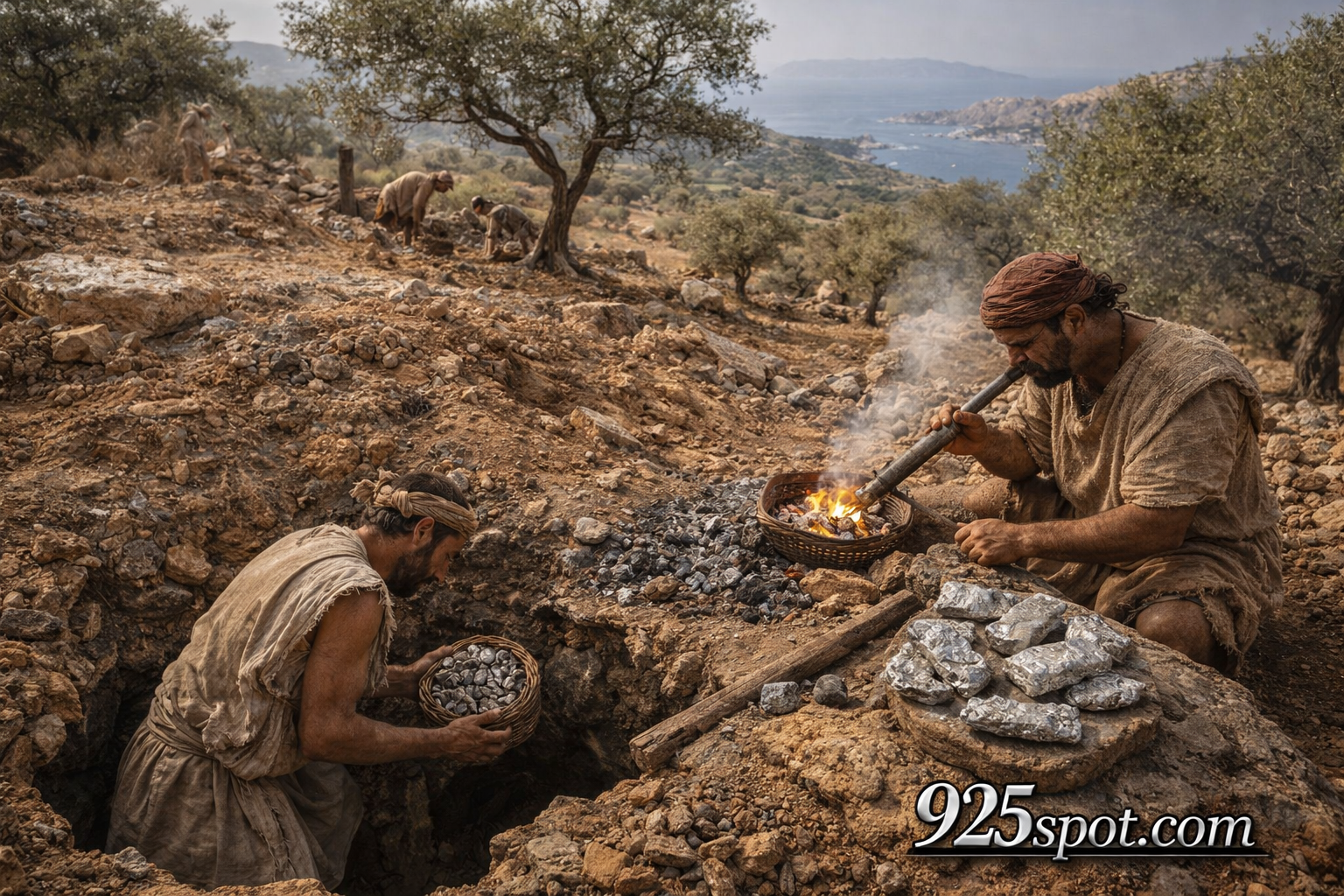
While classical Athenians later scaled the operation into an industrial powerhouse, modern reassessments of geology and early slags show that small-scale extraction and cupellation stretched back centuries, though later intensive mining destroyed or buried most of the earliest archaeological layers. The site’s rich galena deposits made it a natural magnet for metallurgists once cupellation technology spread westward. This deep time-depth explains why Laurion could so quickly become the economic engine of classical Athens when demand exploded.
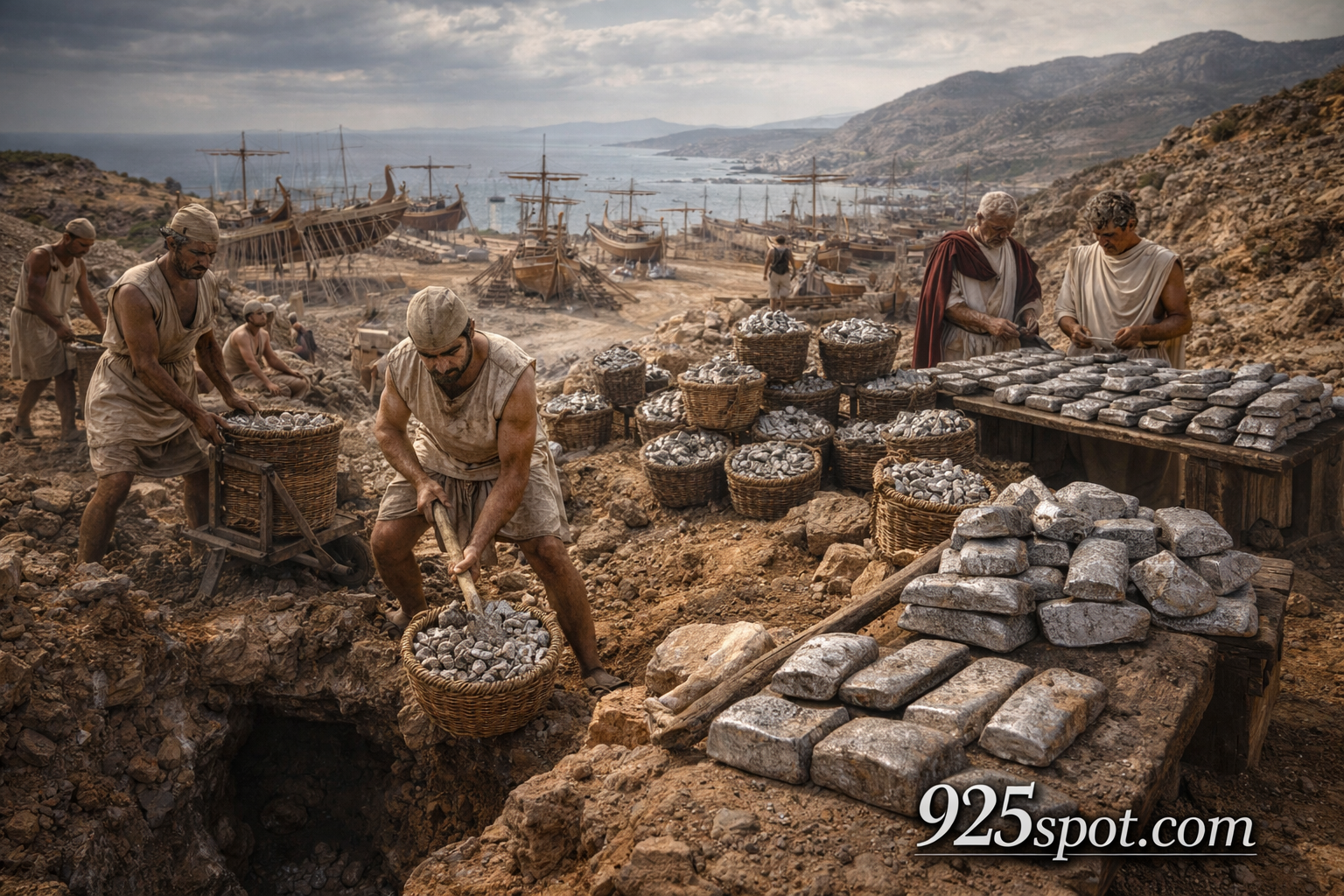
Ancient authors disagree on exact numbers—Herodotus credits the silver revenue with building 200 triremes while Plutarch and Aristotle’s tradition report only 100—but every source links the sudden wealth directly to the fleet that crushed the Persians at Salamis and preserved the world’s first democracy. The revenue came from a single rich strike in 483 BCE that transformed Athens from a minor player into a naval superpower almost overnight. Silver literally paid for the wooden walls that saved Western civilization.
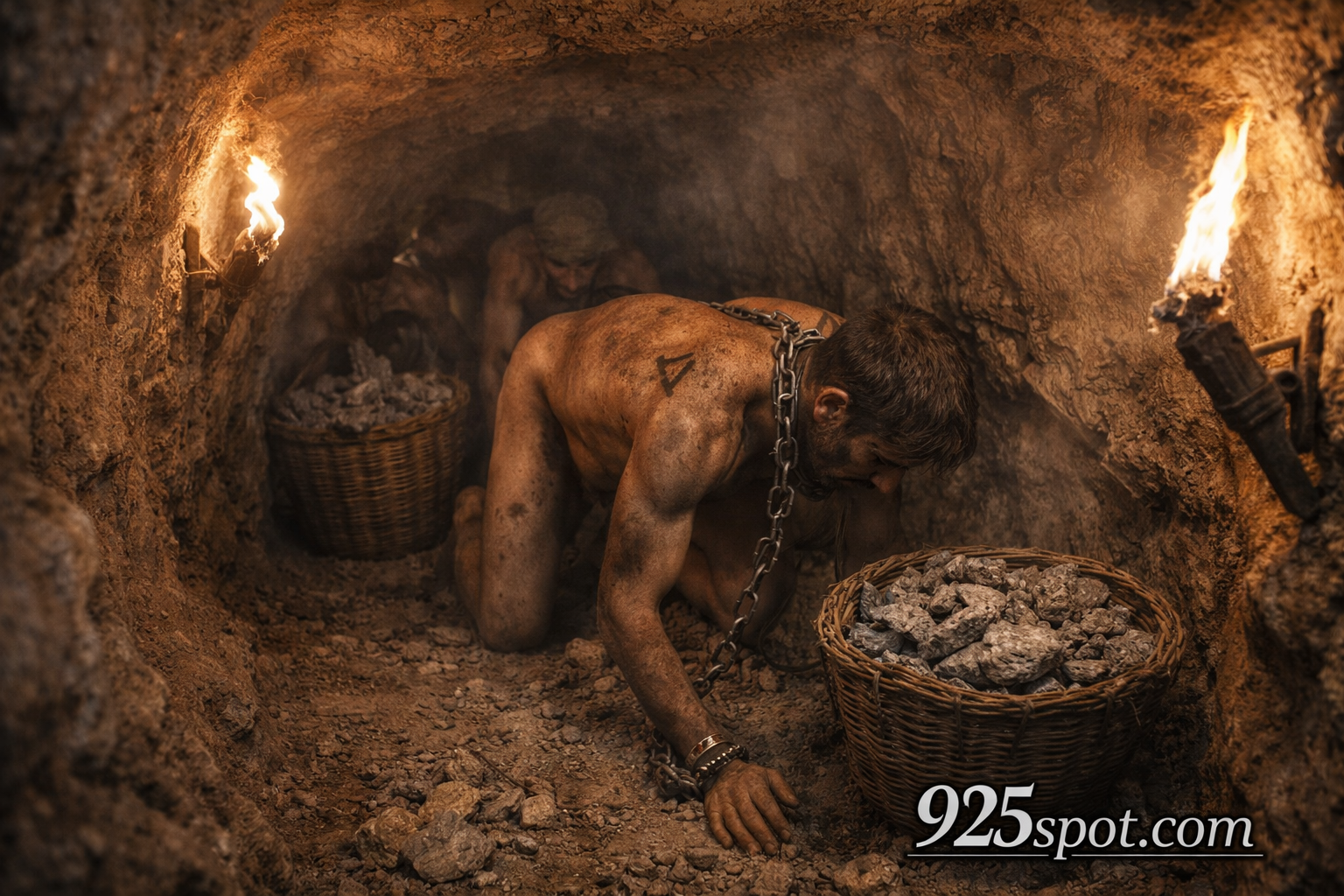
Chained, branded, and forced to labor naked in smoke-filled shafts barely wider than a man’s shoulders, these workers faced a brutal life expectancy of roughly four years from lead poisoning, poor ventilation, and cave-ins, while free citizens avoided the mines entirely. Xenophon’s writings describe a sophisticated slave-leasing system in which the state and private owners profited from every day of forced labor. The human cost behind Athens’ golden age was paid in silver and blood deep underground.
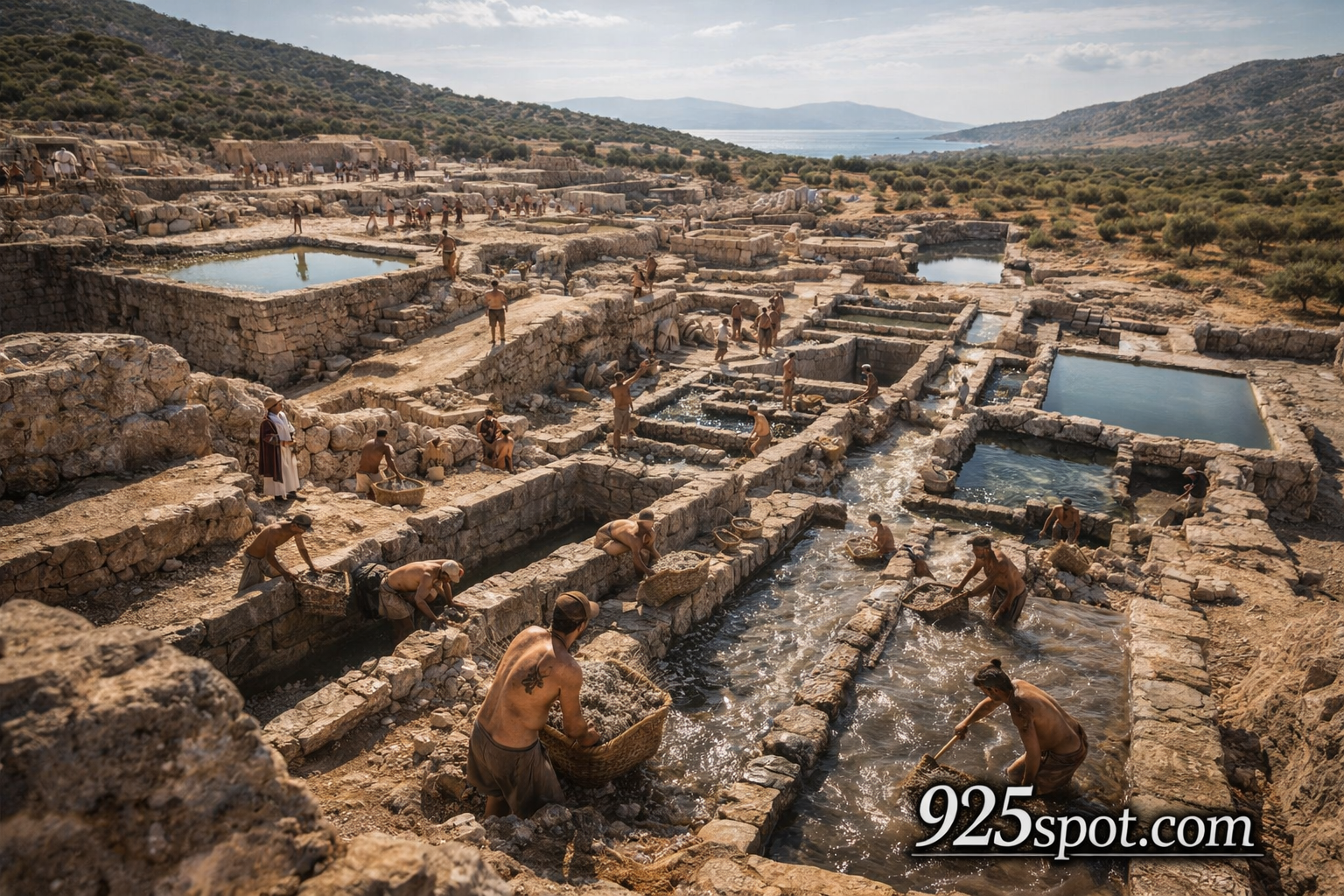
Vast washeries, enormous rainwater cisterns carved into the bedrock, and intricate ore-dressing installations turned the rugged Attic landscape into a true industrial zone, with water channels and settling tanks designed to concentrate silver-bearing concentrates before smelting. These engineering works are still visible today and demonstrate the level of centralized planning required to sustain large-scale production. The entire system relied on seasonal rains and slave labor to keep the silver flowing year after year.
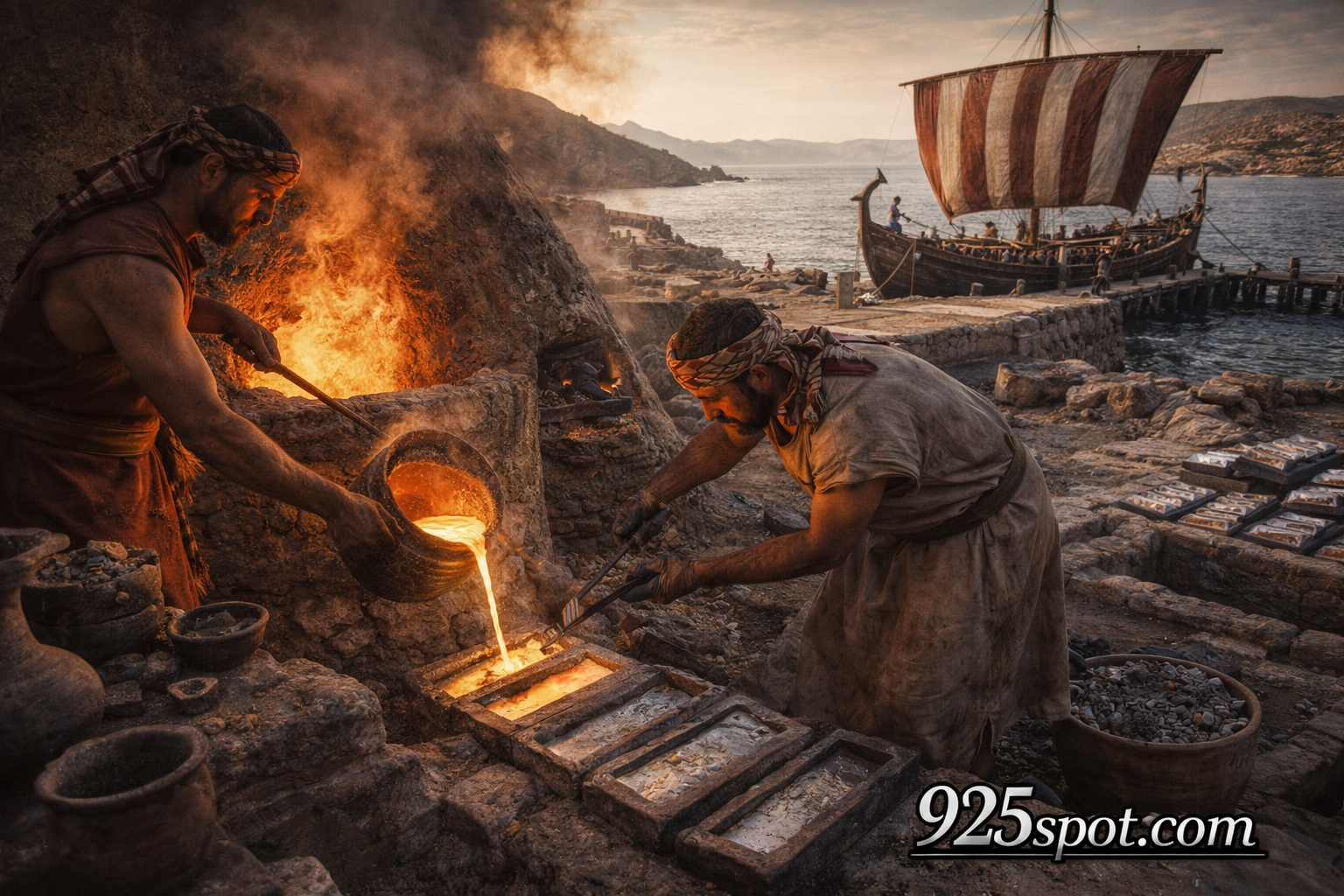
Facing complex jarosite ores that resisted simple smelting, they developed the technique of adding lead as a collector metal, then cupelling the resulting argentiferous lead—an innovation so effective that later legends exaggerated it into stories of Phoenician ships so overloaded with silver that crews replaced lead anchors with silver ones. This westward expansion revived silver flows to the Levant after the Bronze Age disruptions and integrated Iberia into Mediterranean trade networks on an unprecedented scale. The technological and commercial leap helped fuel the rise of Tartessos and set the stage for later Carthaginian and Roman exploitation.
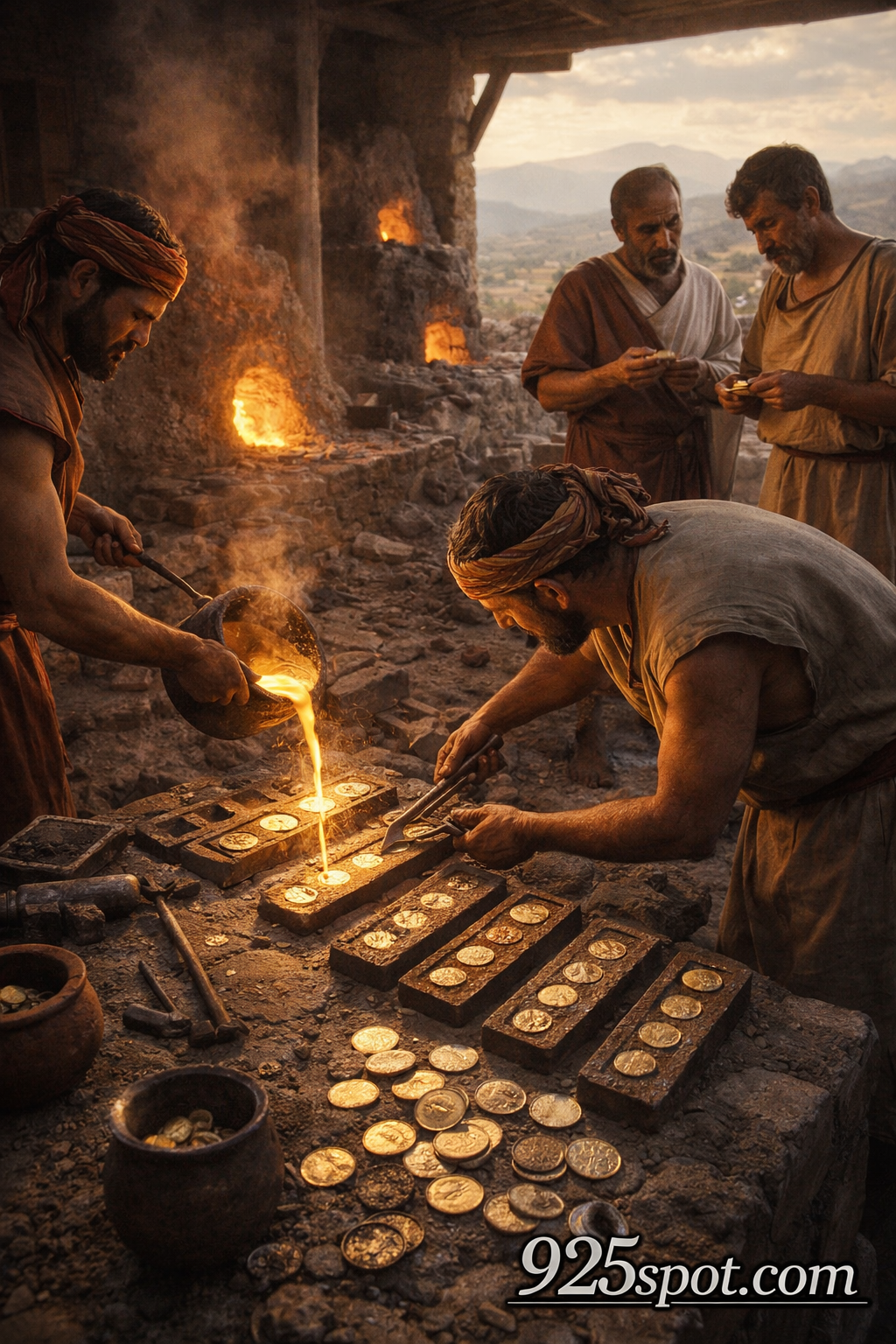
The natural gold–silver alloy’s highly variable composition created constant valuation headaches for merchants and rulers, eventually pushing Lydian and Greek city-states toward the more reliable standardized pure-silver coins that would dominate the Mediterranean for centuries. The shift from electrum to silver marked a pivotal technological and institutional step in the birth of true coinage. It also reflected growing trust in state guarantees of weight and purity.
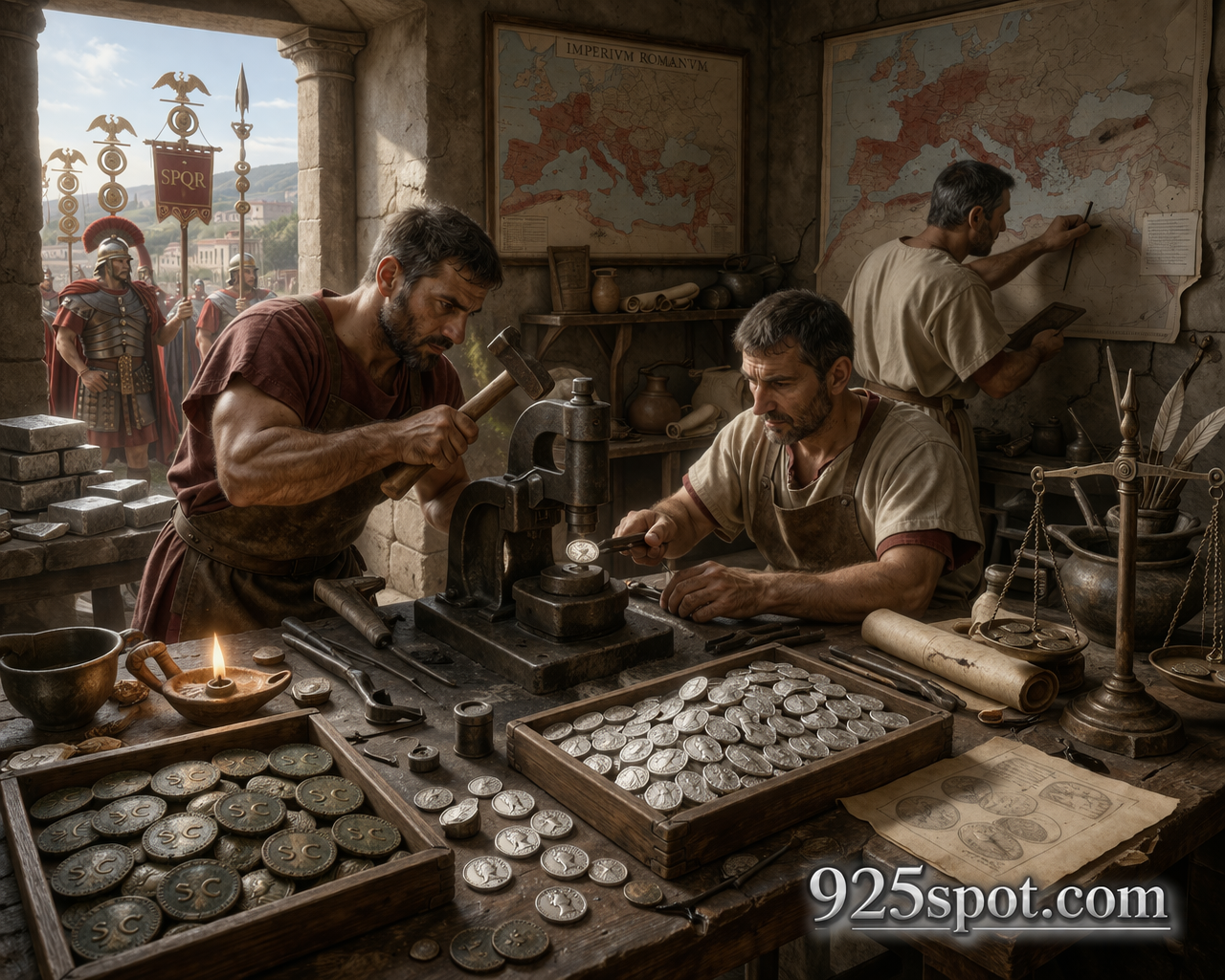
This major monetary reform embedded silver denominations into a coherent multi-metal currency tied to the bronze “as,” standardizing military pay, taxation, and trade across an expanding empire that stretched from Spain to the Middle East. The denarius quickly became the most recognized coin in the ancient world, circulating from Britain to India. Its long-term stability helped glue the Roman economy together for over five centuries.
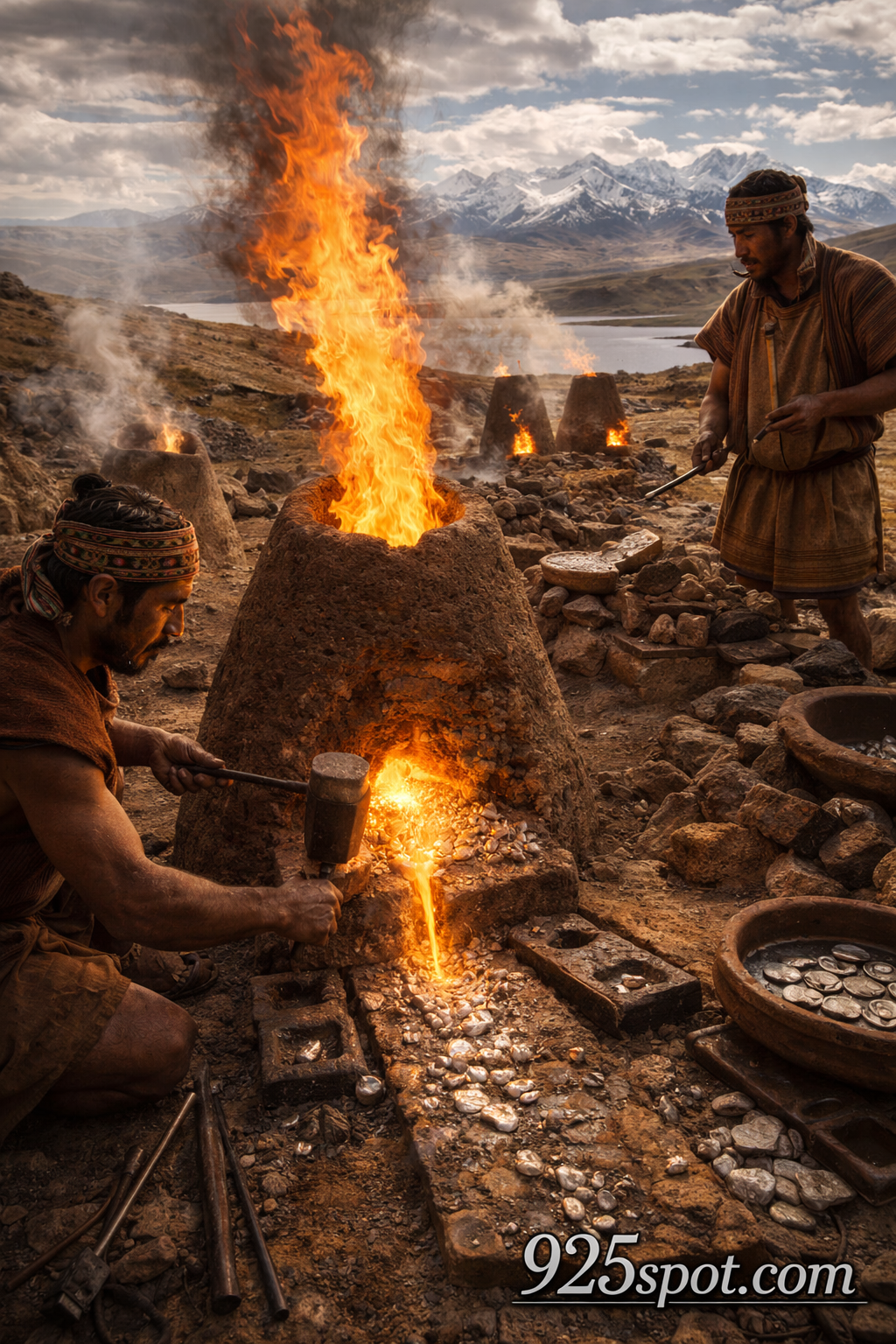
Excavations in the Lake Titicaca Basin reveal a continuous stratigraphic sequence of metalworking remains, with wind-driven guayra furnaces producing the oldest known silver in South America—completely separate from Old World developments and using highland wind patterns to reach the high temperatures needed for cupellation. These early indigenous techniques were later dramatically scaled by colonial mercury amalgamation, but the pre-contact roots demonstrate parallel metallurgical ingenuity on two sides of the globe. The finds rewrite assumptions about the global timeline of silver technology.
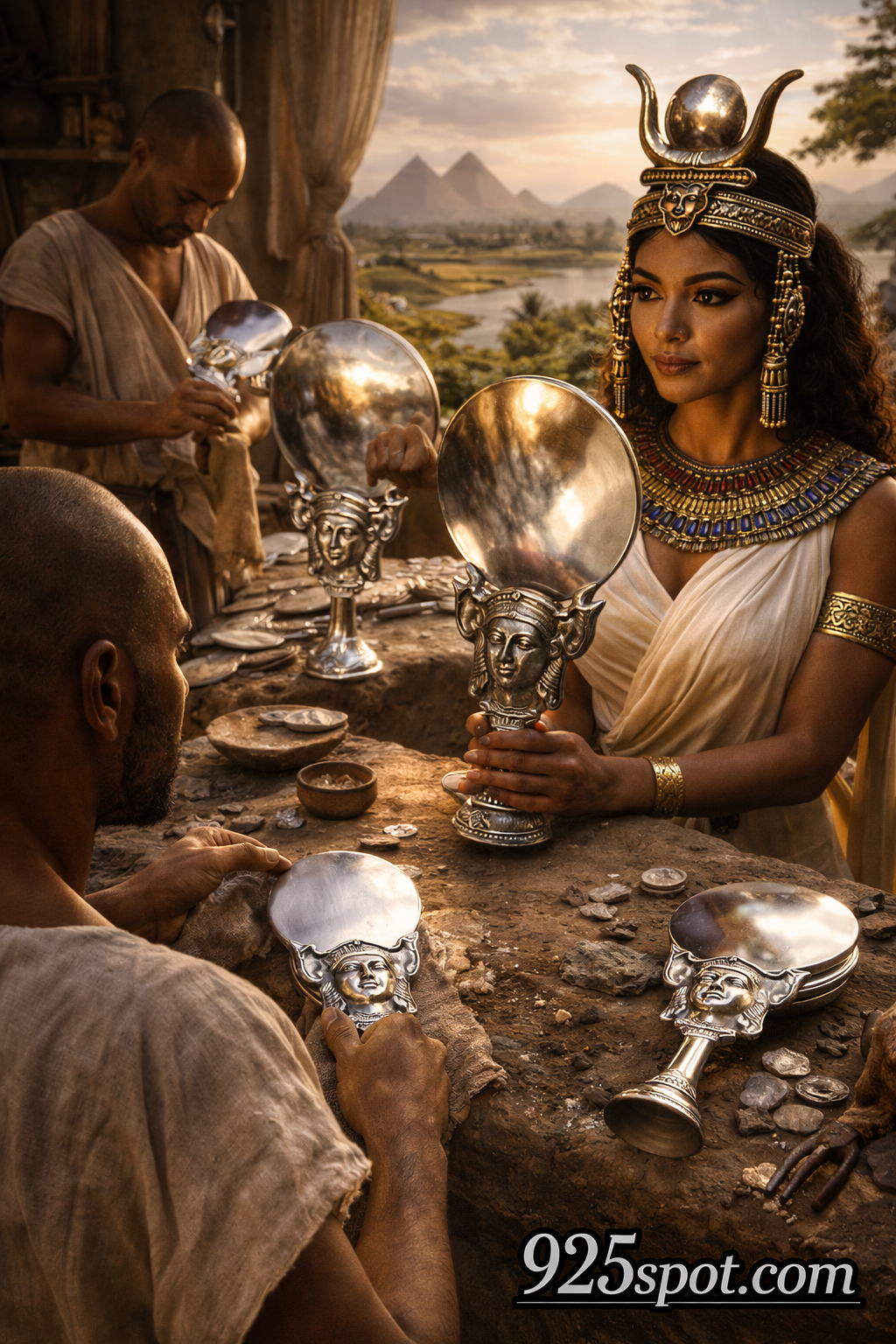
Local sources were scarce or uncertain, and artifacts corrode badly in salty Nile soils, making silver far rarer in tombs than gold and causing it to be valued higher than gold in some periods as exotic “white gold” imported from the Near East or Aegean. Lead-isotope studies link some Egyptian pieces directly to Laurion ores, showing how far the trade networks stretched even in the Bronze Age. Silver’s scarcity only heightened its prestige for mirrors, inlays, and ritual objects associated with the moon and the goddess Hathor.

This practical chemical advantage—silver does not react with wine acids the way copper does—made silver drinking cups favorites for elite Near Eastern and Levantine feasting rituals, where the metal’s purity and brightness also carried deep symbolic weight as a material of the gods. The functional benefit reinforced silver’s role in high-status social and religious contexts. It helped cement the metal’s reputation as both beautiful and reliable.
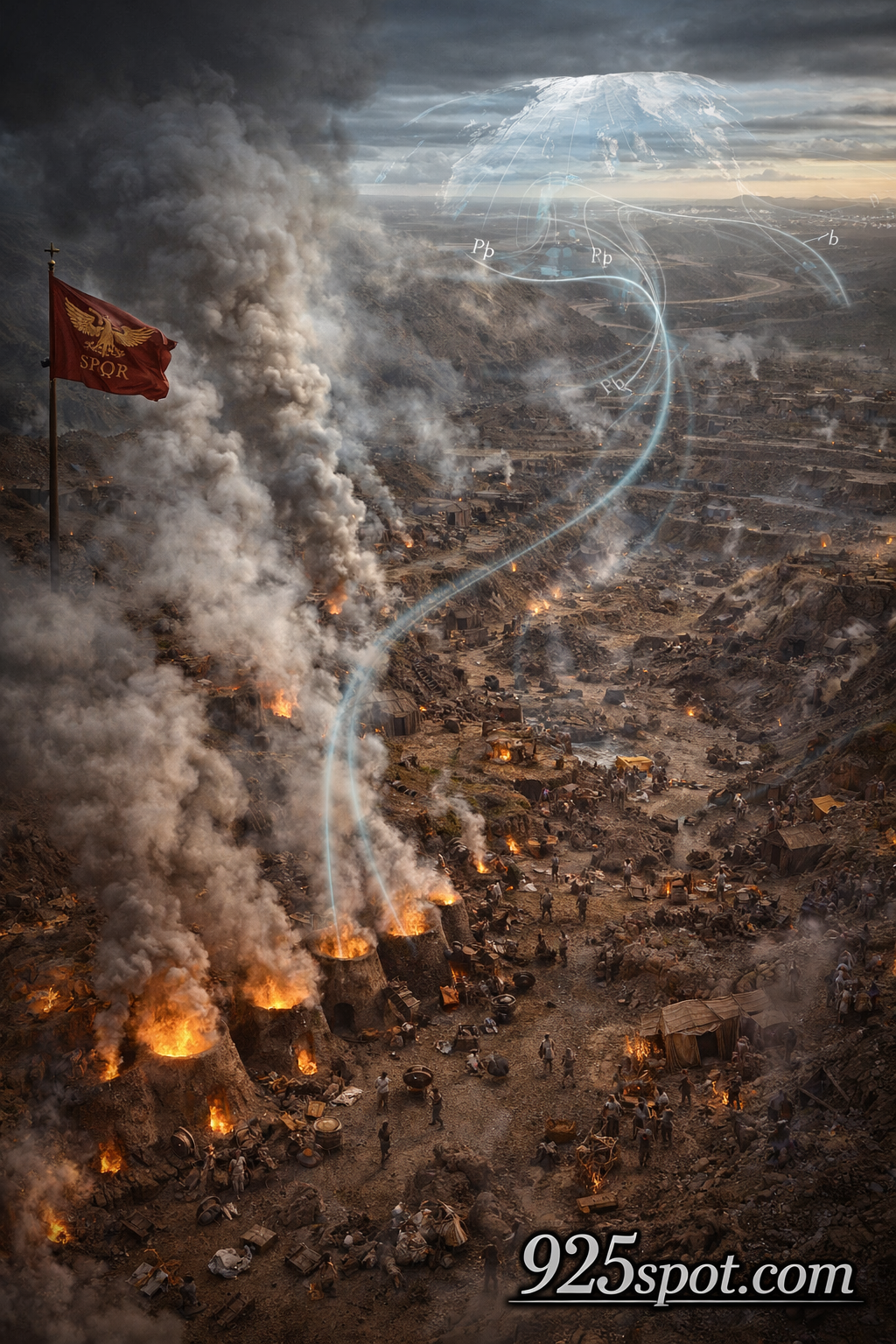
Paleopollution studies of Greenland ice cores and European lake sediments show that ancient metallurgy sent detectable lead pollution signals across entire continents, with Roman production in Spain and elsewhere standing out as one of the largest environmental impacts of antiquity. The scale of smelting and cupellation necessary to produce 200 tons of silver annually released vast quantities of lead vapor into the atmosphere. These distant pollution archives serve as a grim reminder of the hidden costs behind Rome’s silver-driven prosperity.
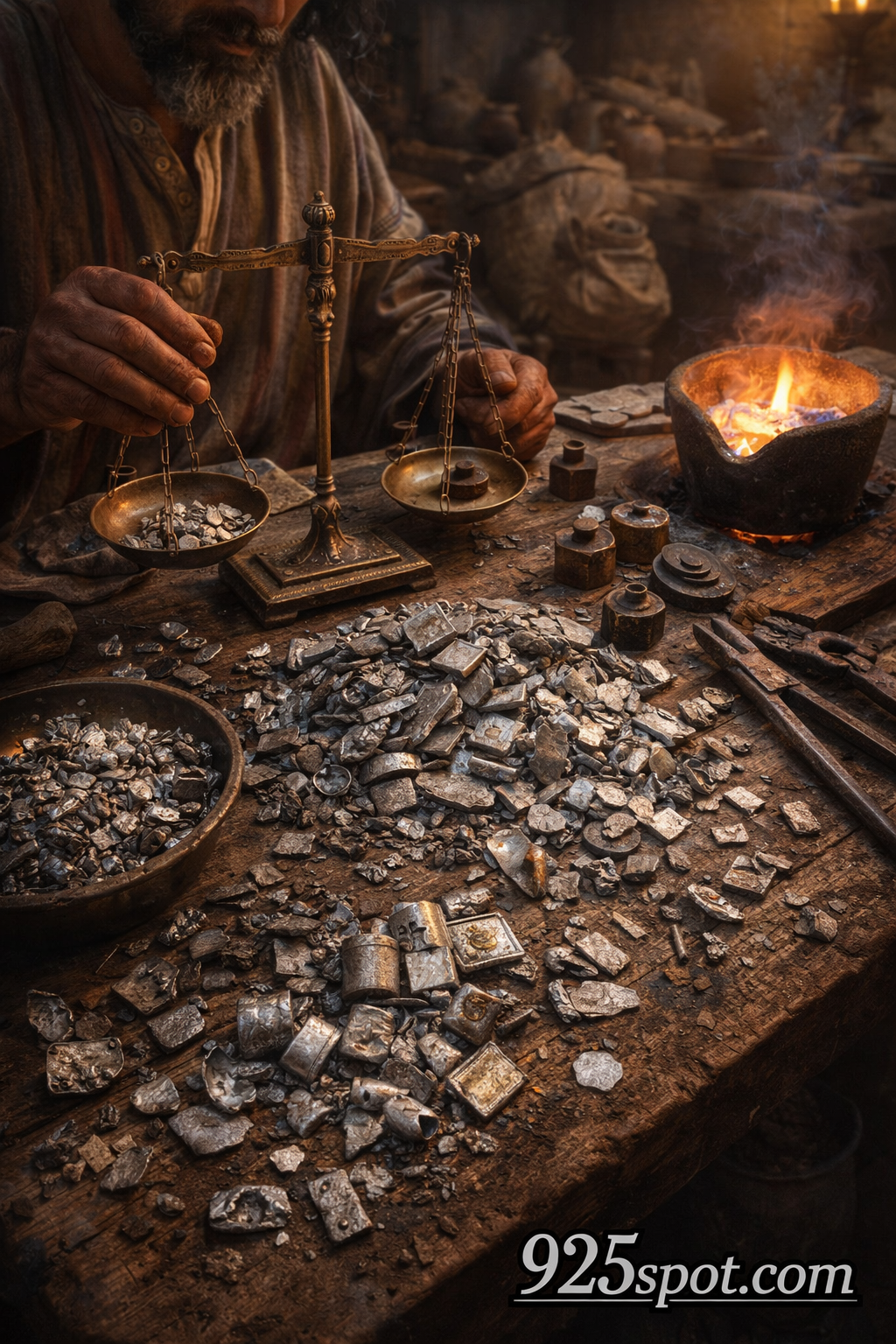
Detailed compositional and isotopic analyses of the cut pieces reveal mixed metal signatures that prove silver was repeatedly remelted and re-circulated rather than simply hoarded as static prestige stock, indicating a dynamic monetary system operating at the household and merchant level for centuries. This recycling kept supplies flexible despite fluctuating long-distance trade. It also explains why so many hoards contain a jumble of jewelry fragments, ingots, and scrap.
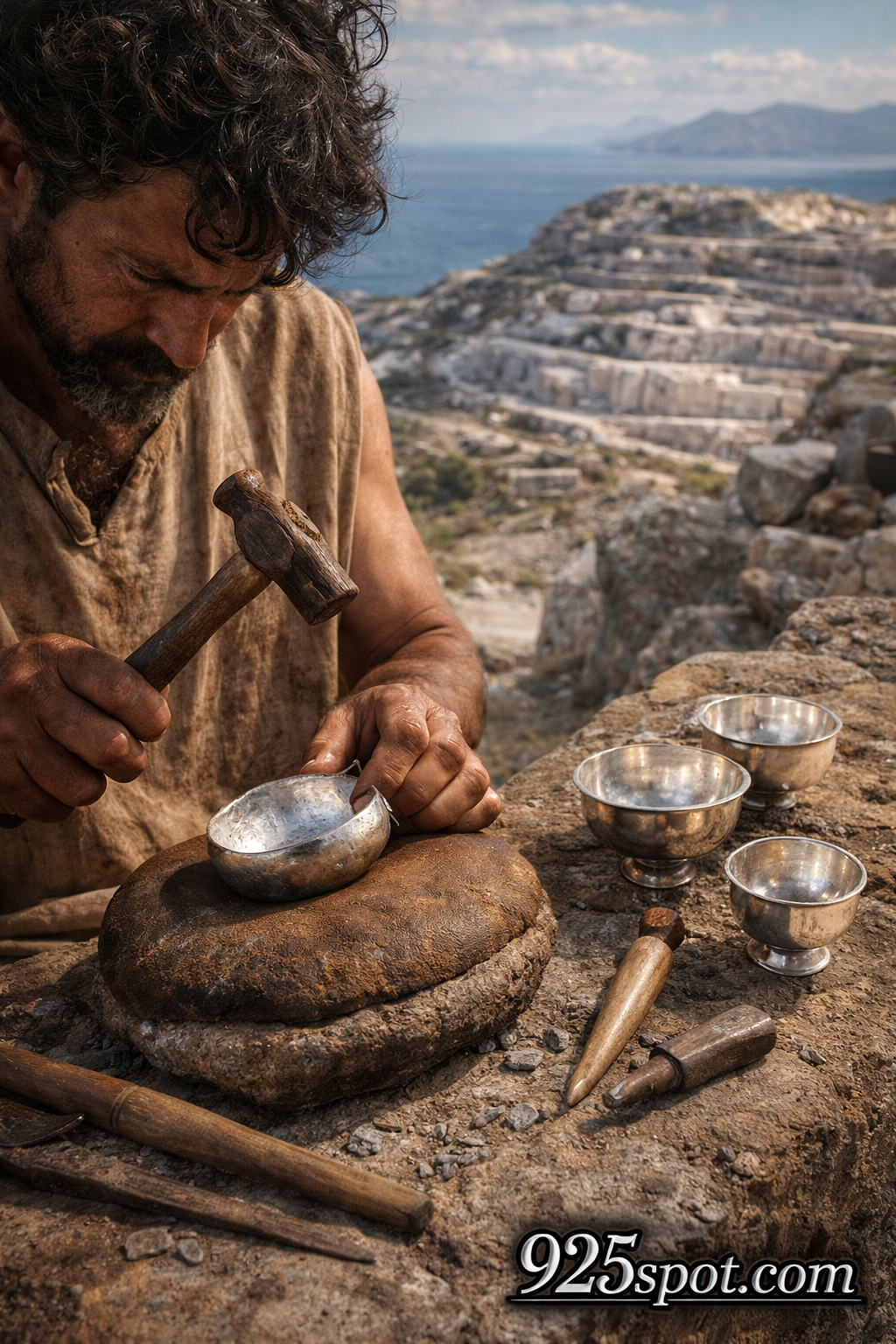
Some bowls and cups have walls measuring just 0.5 mm thick, showcasing astonishing early Bronze Age skill in turning scarce imported silver into delicate prestige drinking gear that rivaled later Greek and Phoenician work. The technical mastery required to raise and thin the metal without tearing it speaks to generations of specialized artisans. These vessels were luxury items buried with high-status individuals, underscoring silver’s role as a marker of elite identity.
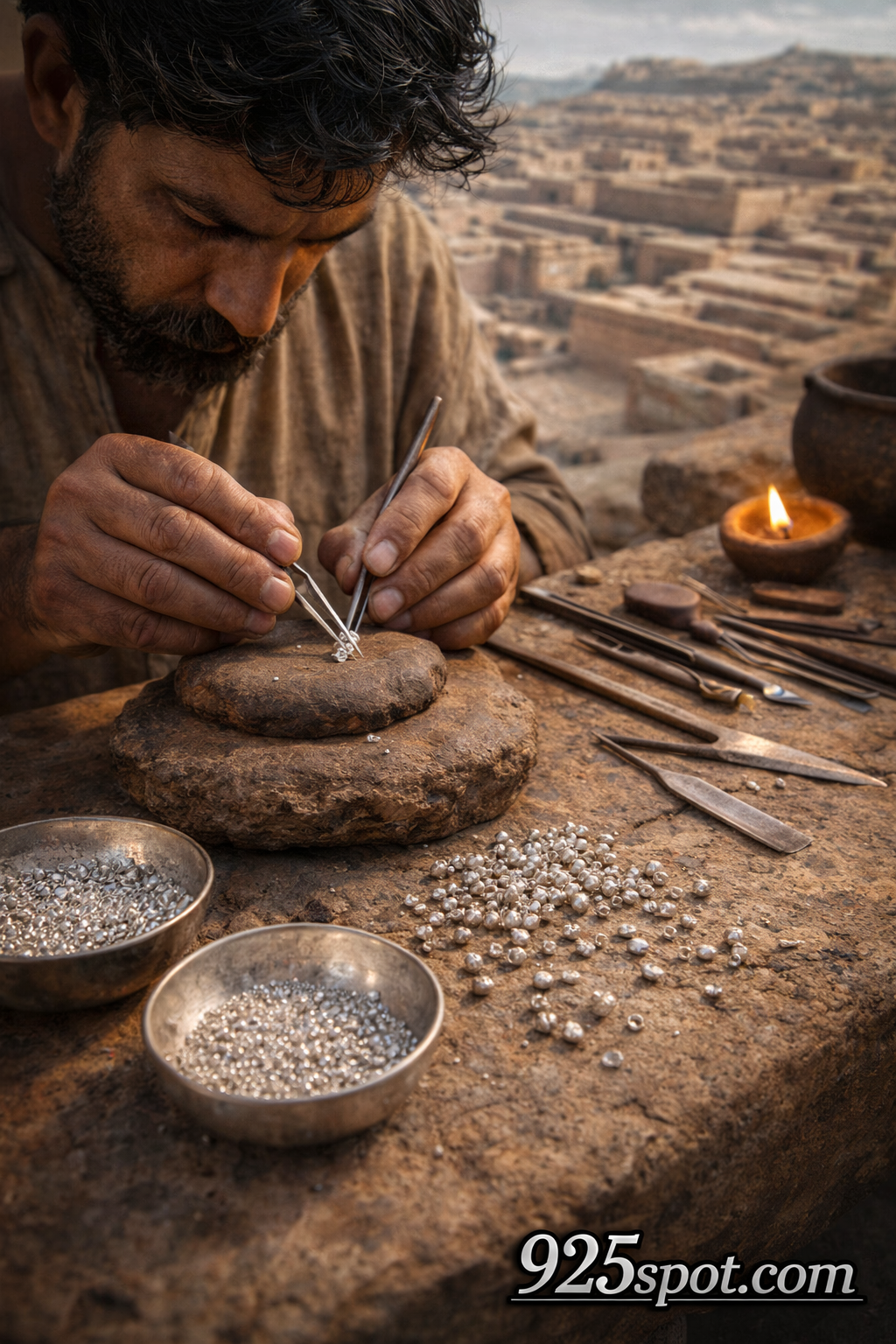
These minute 2–4 mm masterpieces, decorated with tiny fused silver granules, demonstrate advanced joining and decorative techniques running in parallel with Near Eastern developments thousands of miles away. The granulation technique required precise control of heat and flux, showing that silverworking had already reached a high level of sophistication in the Harappan world. The beads were likely used in elite jewelry and trade goods.
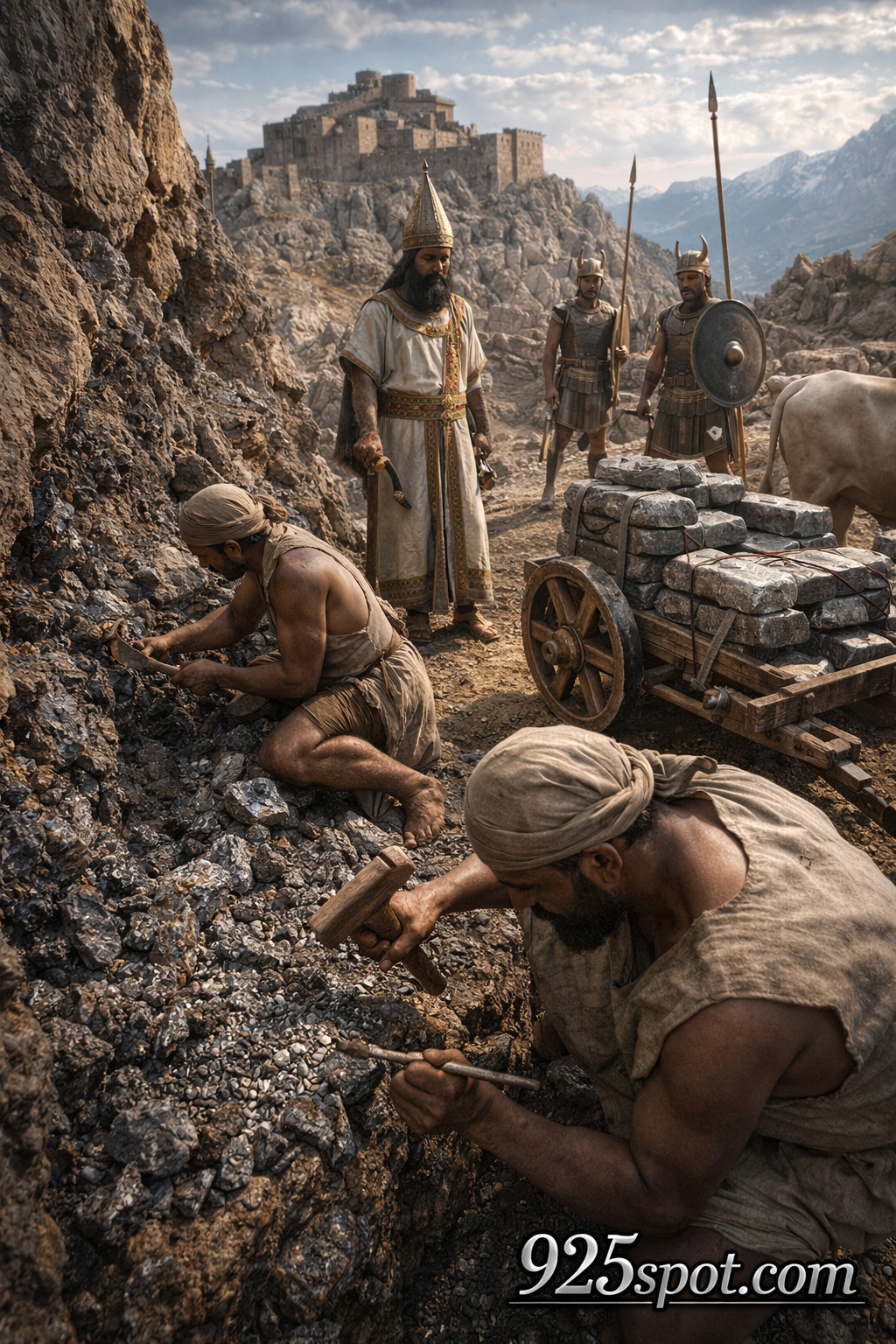
Their annual output of roughly five tons supplied weapons, tribute payments, and luxury trade items, making control of these highland sources a key pillar of Bronze Age political and military power in the region. Hittite texts and archaeological evidence show silver moving through royal workshops and diplomatic gift exchanges. The mines helped fuel the Hittite empire’s expansion and its rivalries with Egypt and Mesopotamia.
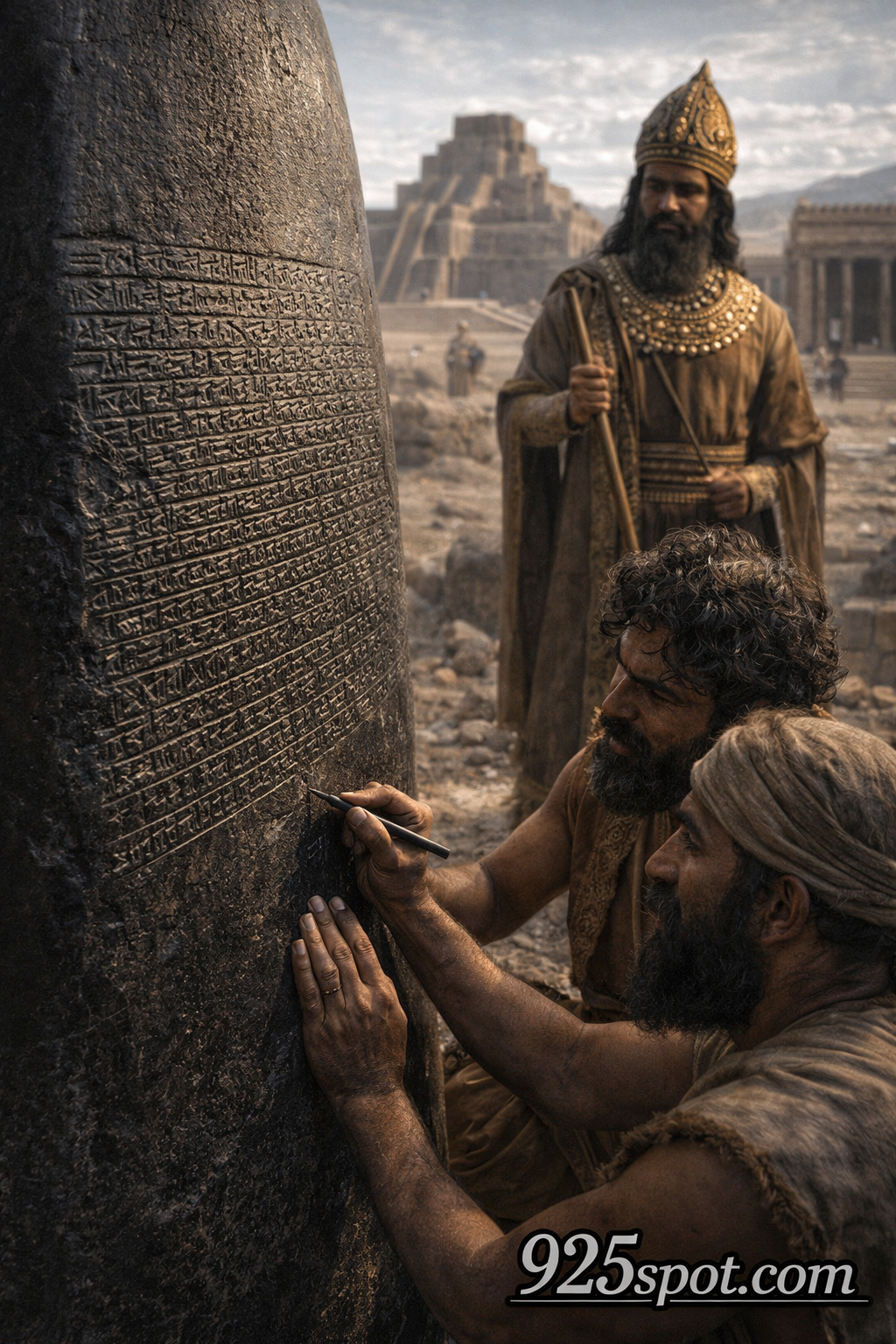
Laws spelled out exact shekel payments for crimes ranging from theft to injury, formally embedding silver as the legal standard of value and helping to standardize economic transactions across Babylonian society. The code’s silver clauses appear alongside barley and labor valuations, showing silver’s growing dominance in everyday justice and commerce. This legal recognition further entrenched silver’s role in the Mesopotamian economy.
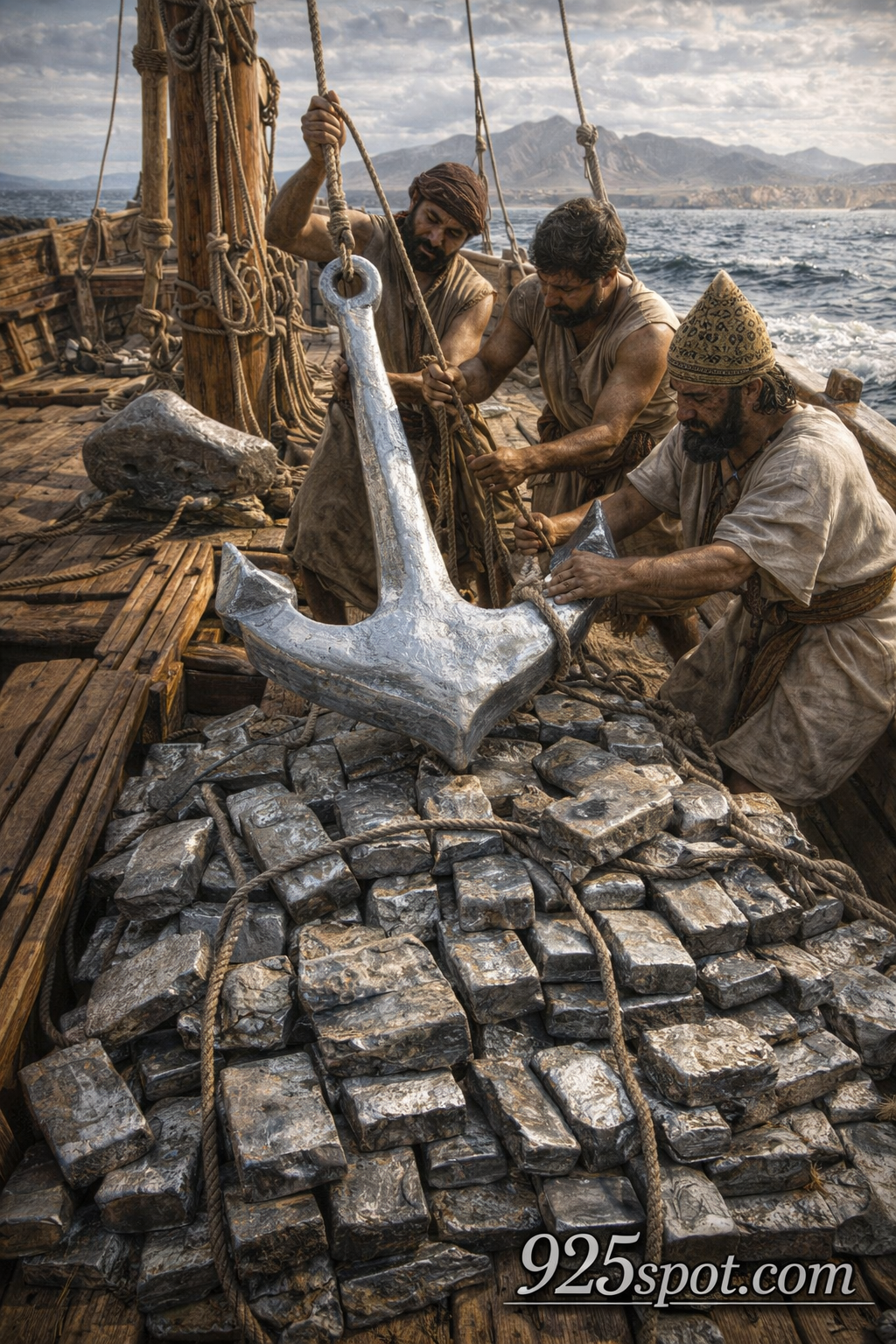
Stories of ships so heavy with Iberian silver that crews replaced lead anchors with silver ones likely grew from the practical requirement of using lead to collect silver from poor ores, then recycling excess silver when cargo holds overflowed. The legend, while exaggerated, preserves a kernel of truth about the logistical challenges of early bulk silver transport. It also highlights how silver’s sheer volume could overwhelm traditional maritime technology.
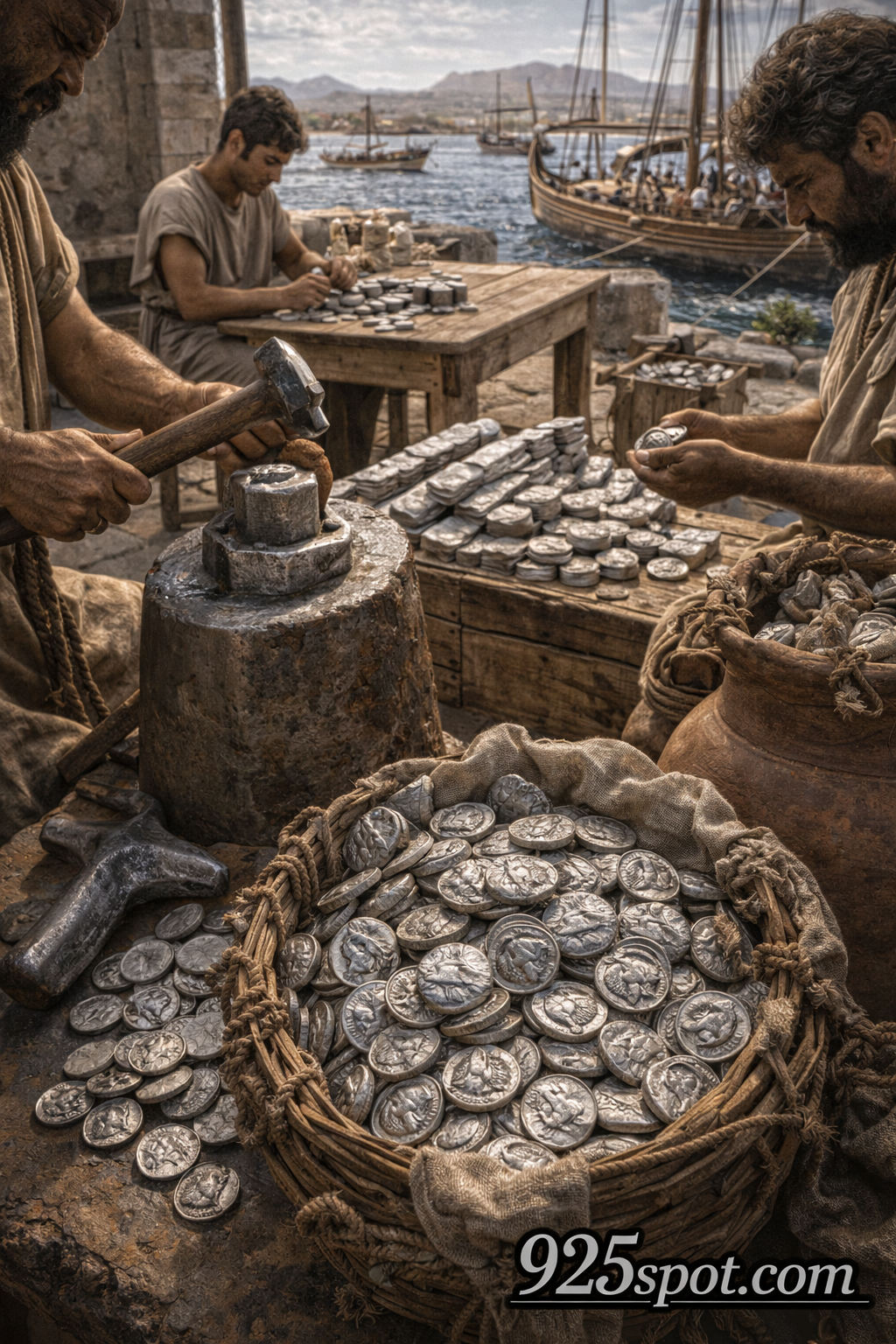
Minted on a small island strategically located in the Saronic Gulf, these coins circulated widely through Mediterranean trade networks long before Athens’ famous owl tetradrachms took center stage, serving as trusted bullion in ports from Egypt to the Black Sea. Their simple turtle design became a recognizable brand of reliability. The staters helped pave the way for the explosion of Greek silver coinage.
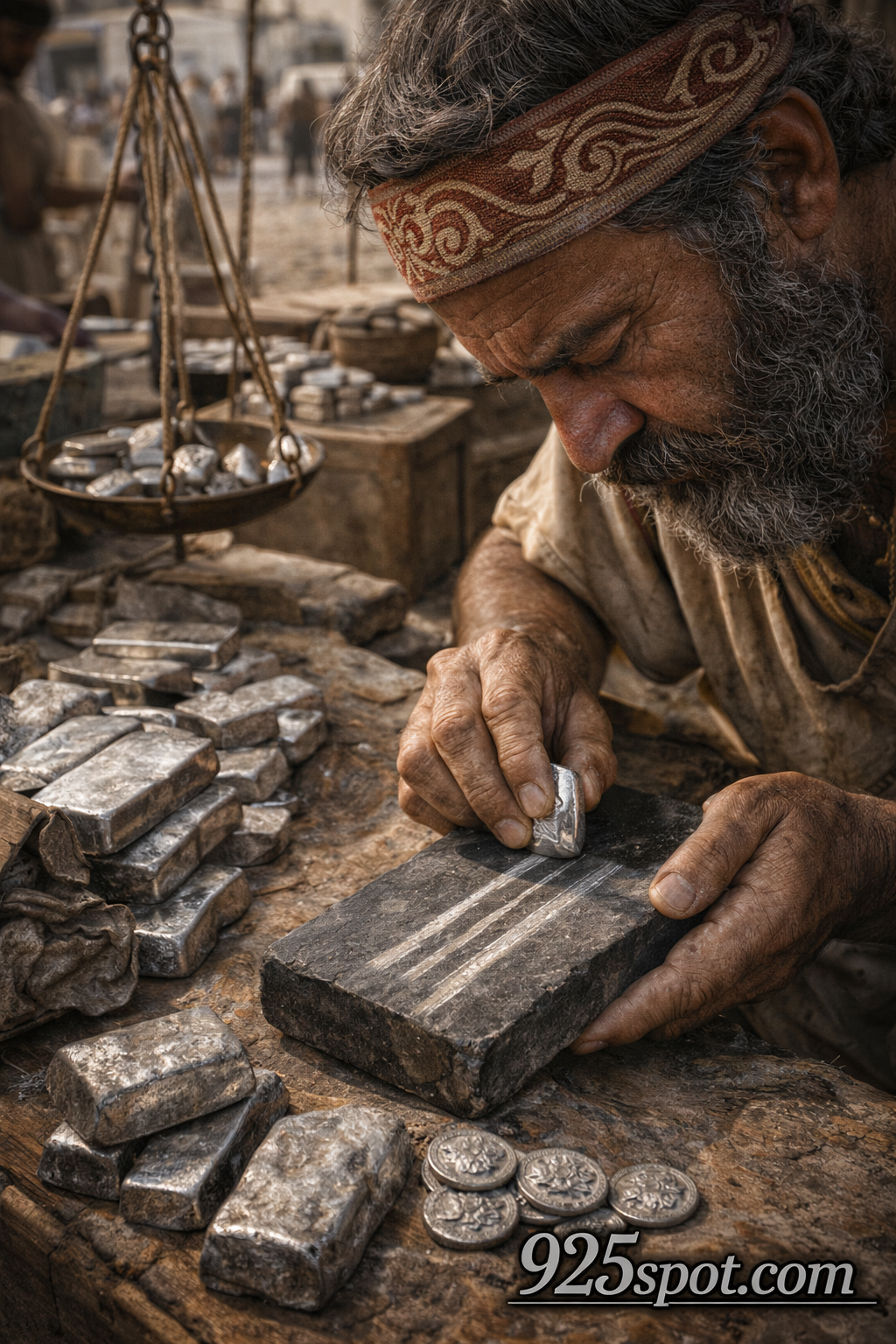
Merchants rubbed the metal on a black stone and judged quality by the color of the streak left behind, allowing quick, non-destructive verification of purity without melting the piece—an essential tool for building trust in weighed bullion markets before coinage. The technique was simple yet remarkably accurate and spread rapidly with expanding trade. It gave Lydian merchants a competitive edge in the silver trade.
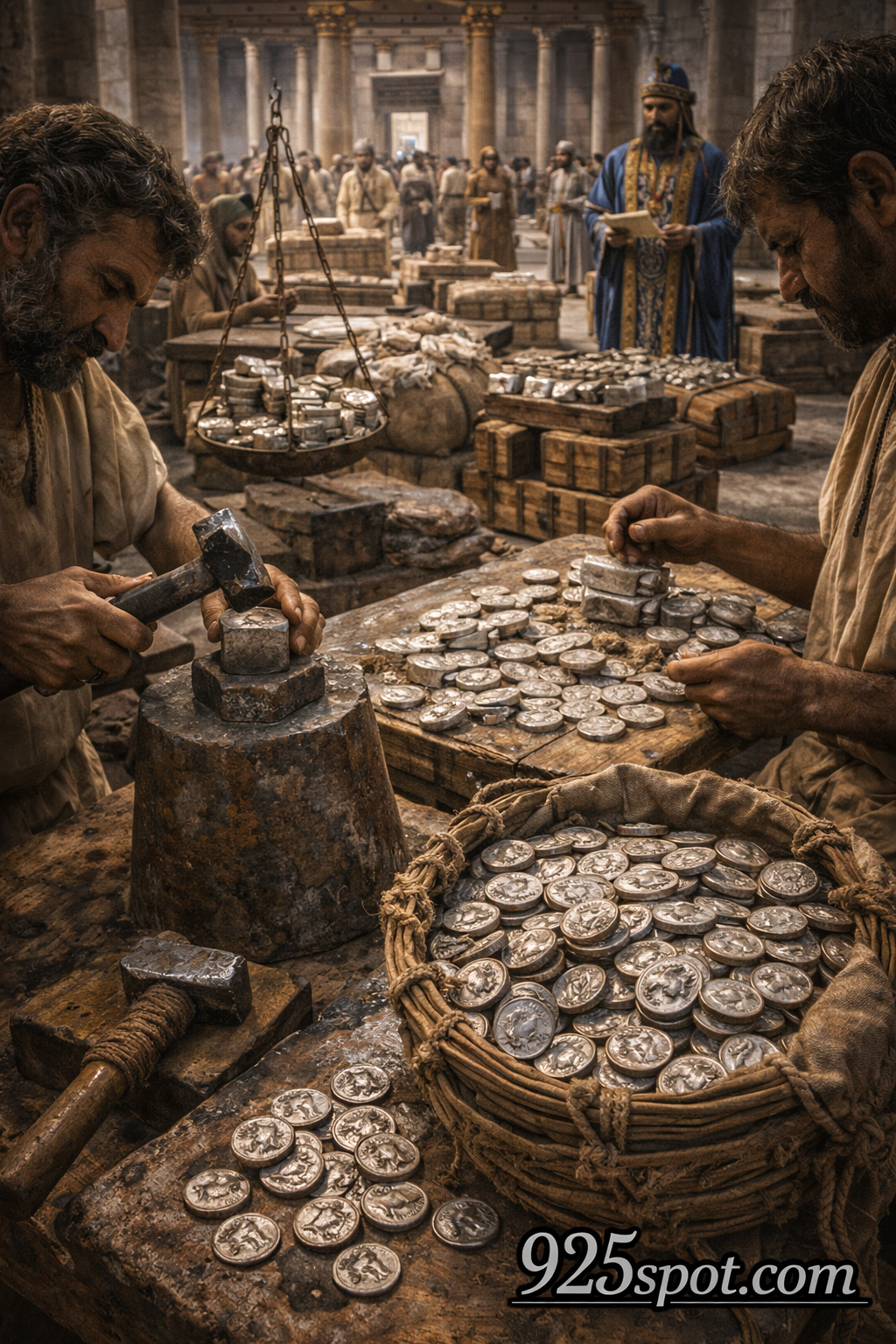
These standardized 5.6-gram silver coins, stamped with a kneeling archer, helped administer a vast empire stretching from India to the Aegean by providing a uniform medium for taxes, tribute, and military pay. The sheer volume produced over centuries made Persian silver one of the most widely circulating currencies of the first millennium BCE. Their consistent weight and purity reinforced imperial authority across diverse regions.
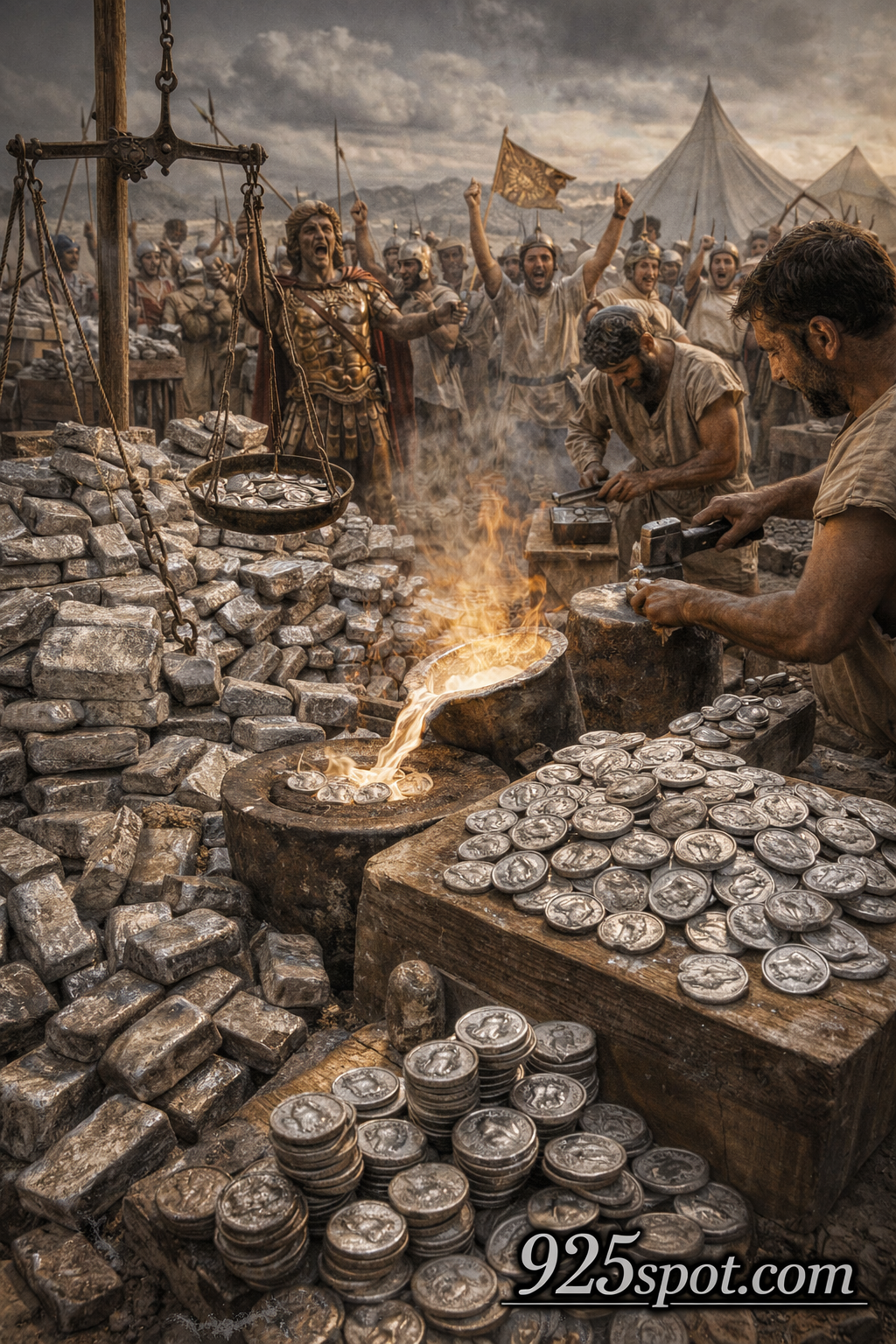
The captured bullion from royal treasuries funded his lightning conquests and triggered a massive wave of tetradrachm minting that spread Greek-style coinage, culture, and economic systems across the known world from Greece to India. The sudden influx of silver caused short-term inflation but long-term monetization in newly conquered territories. It marked one of the largest single transfers of precious metal in ancient history.
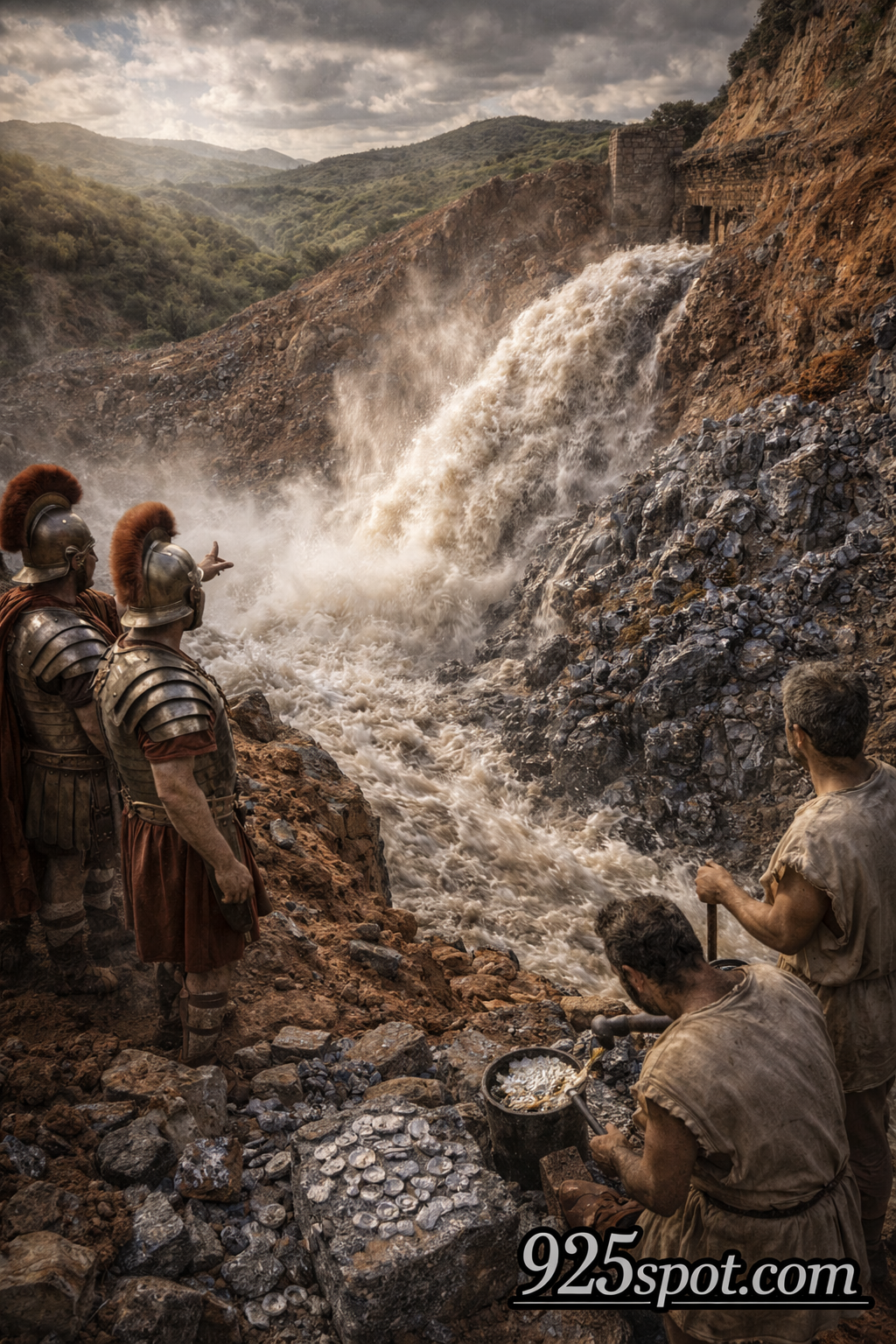
Torrents of water released from hillside reservoirs blasted away overburden in a dramatic engineering technique that reshaped entire landscapes and revealed rich galena deposits far faster than hand labor ever could, though it left permanent scars still visible in the Spanish countryside today. The method required sophisticated aqueducts and planning but dramatically increased output. It exemplifies Roman willingness to transform nature in pursuit of silver.
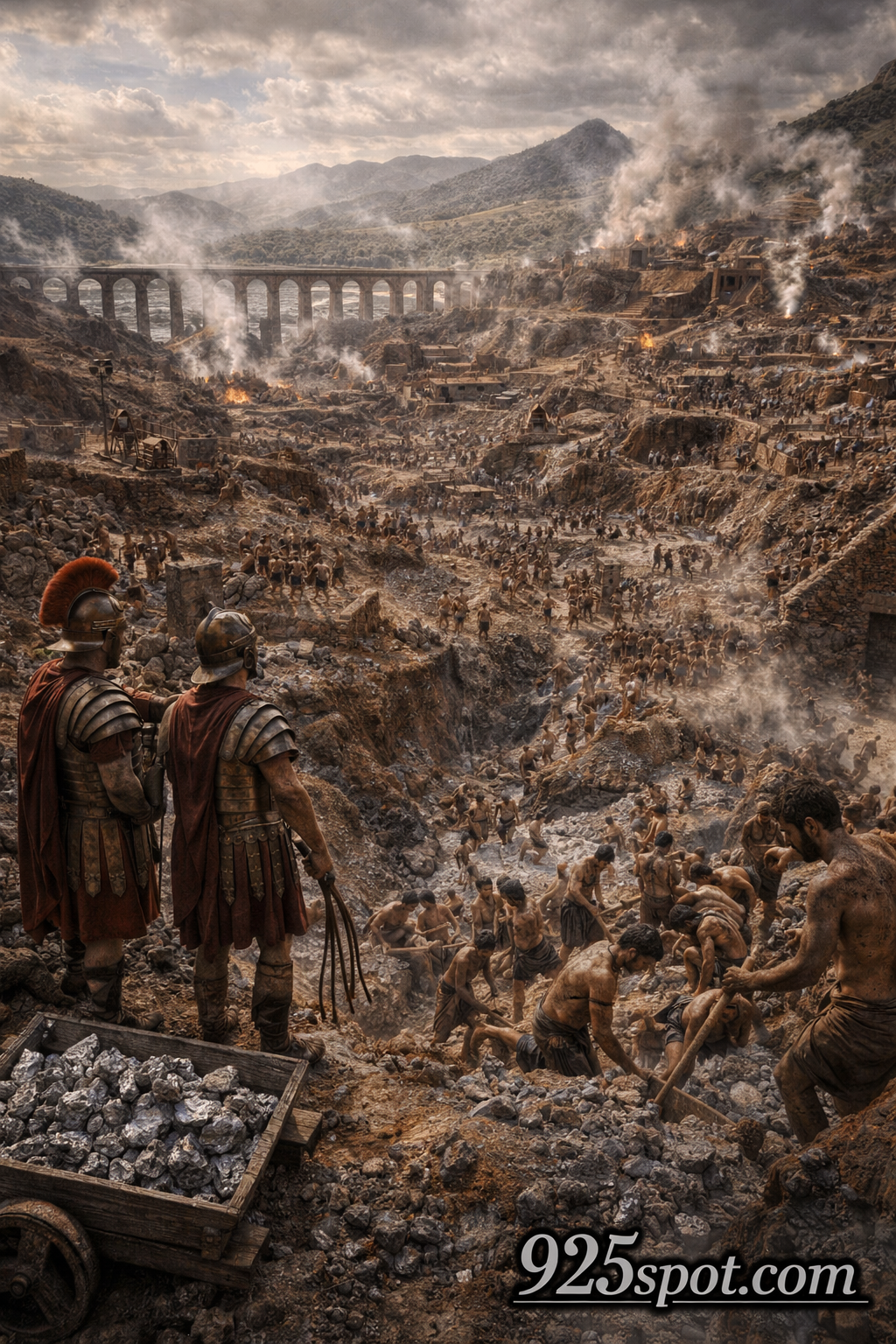
Production reached an astonishing 200 tons of silver per year under brutal conditions, fueling the denarius, paying legions, and sustaining imperial expansion from Britain to the Middle East. The scale dwarfed earlier Greek operations and turned entire provinces into extractive zones. The human and environmental toll was immense, yet the silver kept Rome’s economy and military machine running for centuries.
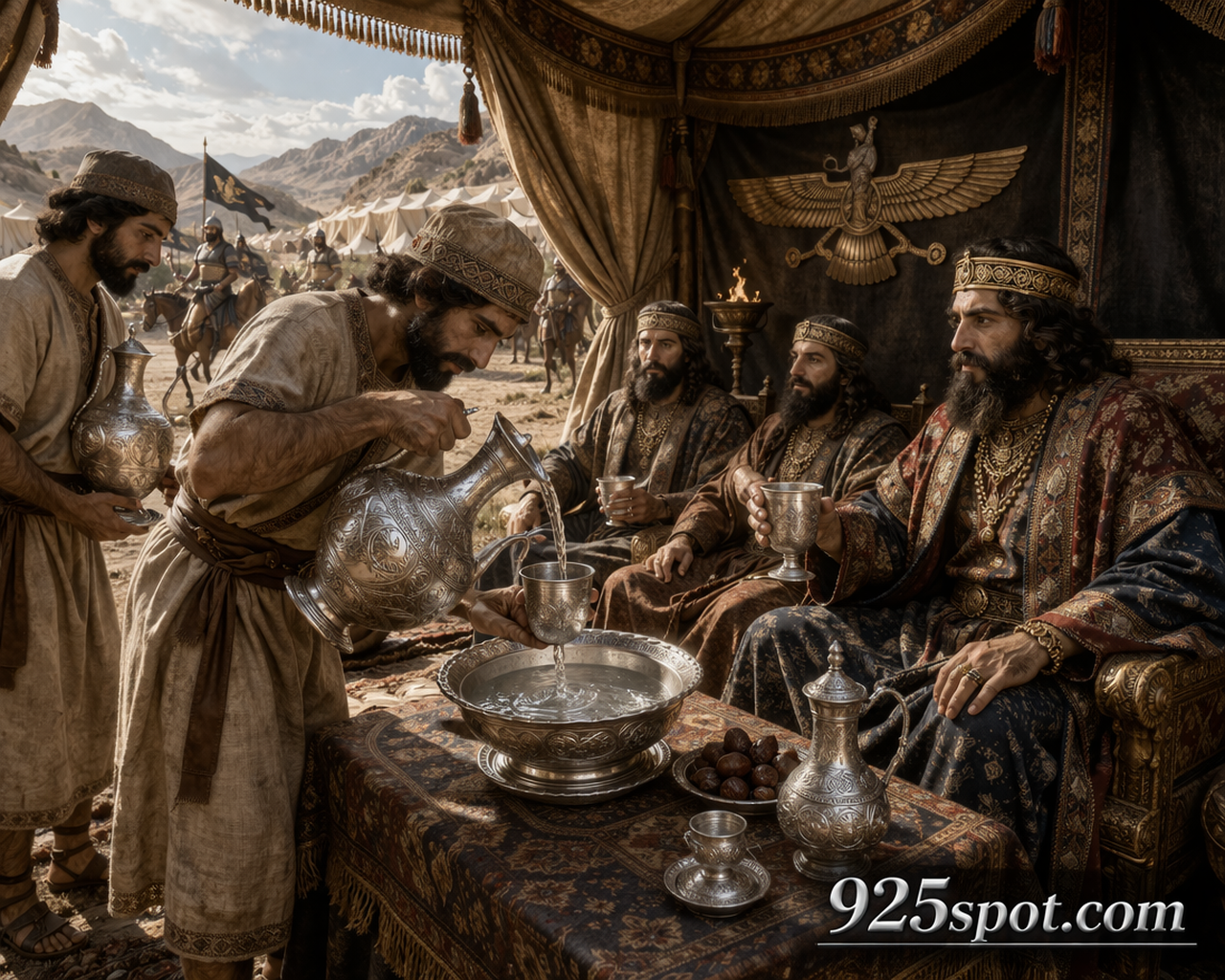
Early empirical recognition of silver’s antimicrobial properties—silver ions naturally inhibit bacterial growth—turned the metal into a practical luxury for royal campaigns, long-distance travel, and banquets where clean drinking water could mean the difference between life and death. The same property that made silver ritual vessels special also gave it real-world utility. This knowledge was passed down and later influenced medical uses of silver in antiquity.
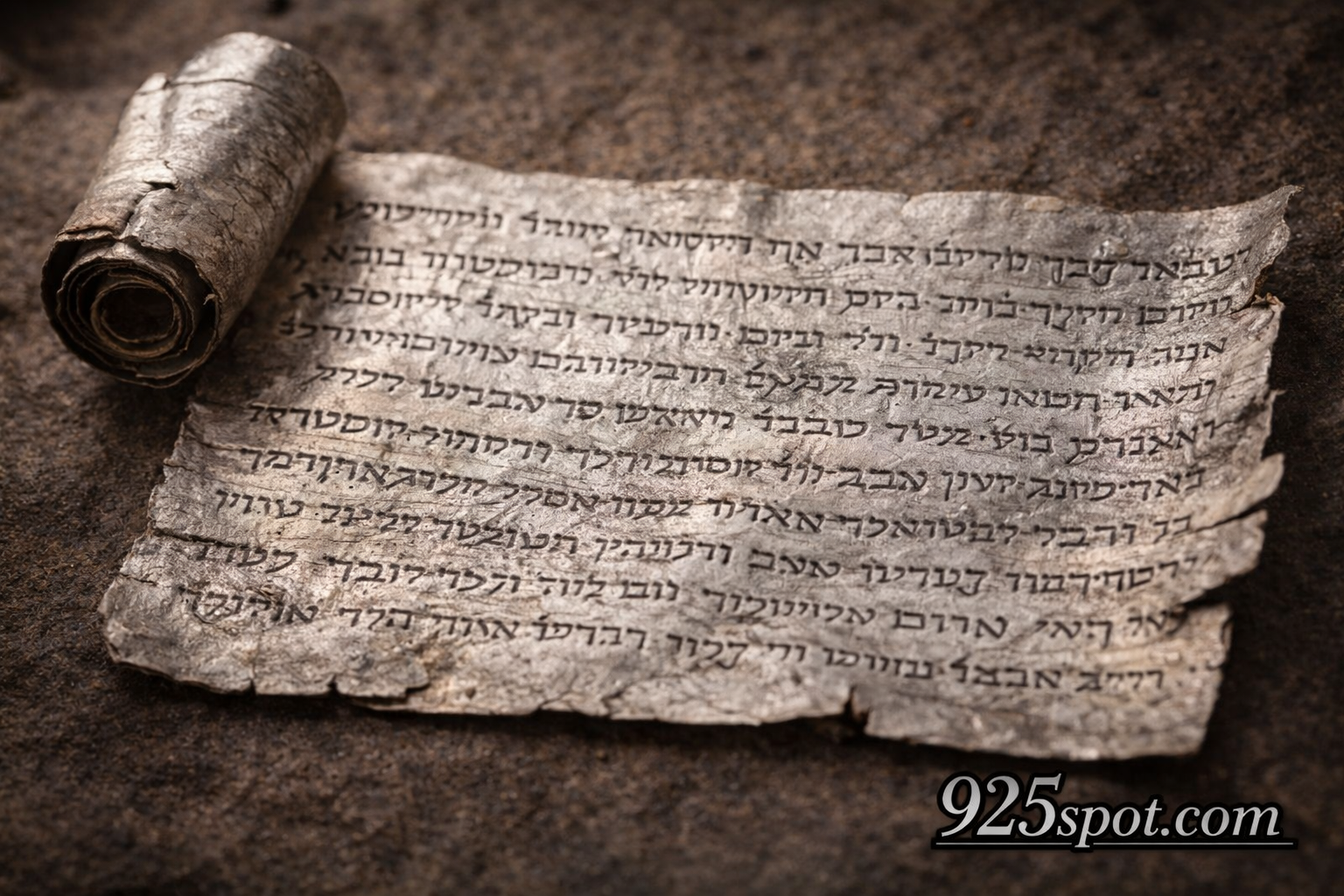
Thin silver sheets dating to around 600 BCE were carefully inscribed with the priestly blessing from the Book of Numbers, showing that silver was already being used for sacred writing and personal amulets in the late Iron Age Levant. The scrolls were rolled and placed in a tomb, suggesting they served a protective or devotional function. Their discovery provides a direct material link between silver and early religious practice.
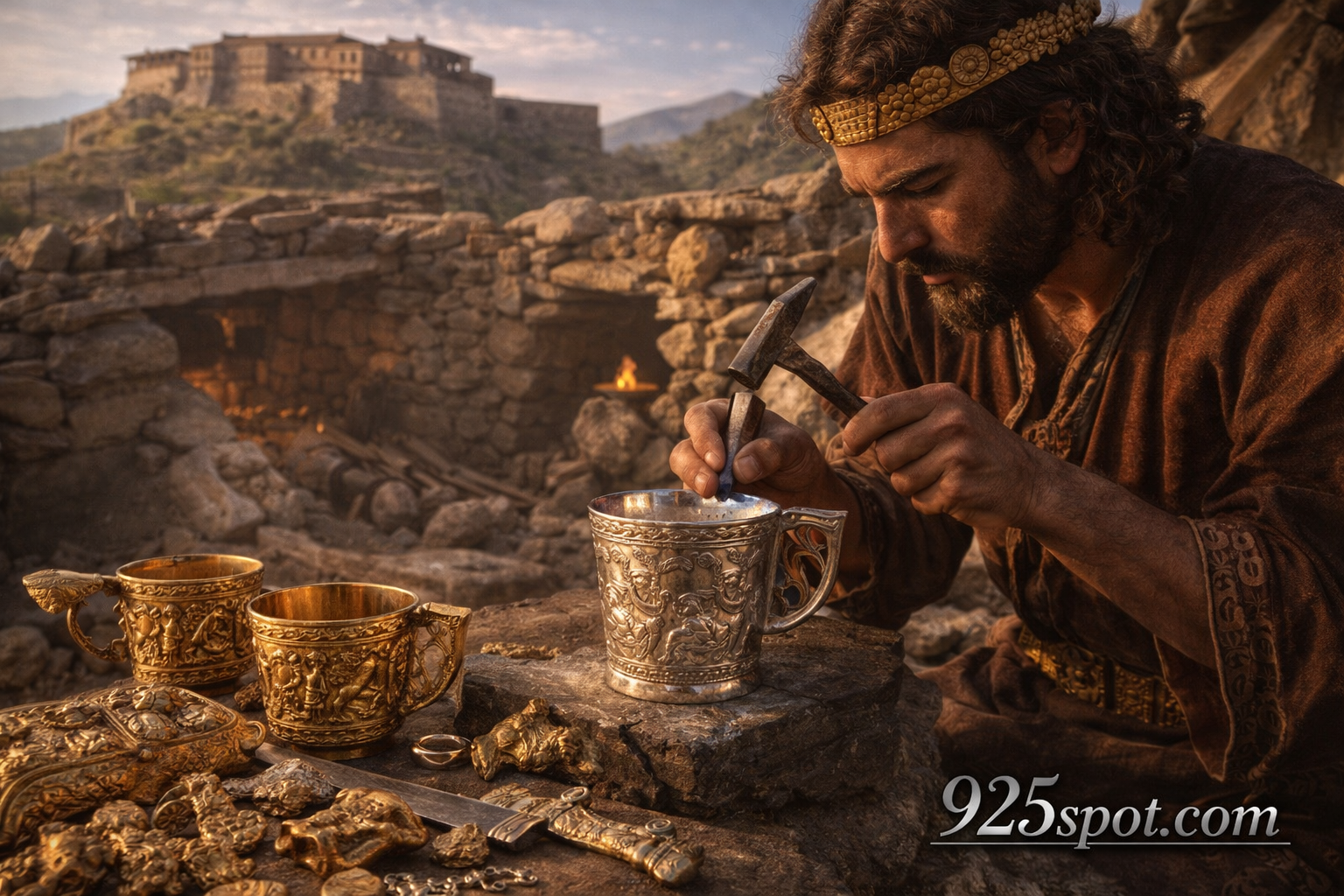
Intricate raised designs hammered from the inside turned these drinking vessels into miniature masterpieces of craftsmanship, buried with high-status warriors and nobles to display wealth and skill in the afterlife. The technique required exceptional control of the soft metal and reflects the high value placed on silver in Mycenaean society. Similar cups appear in palace contexts, linking silver to both ritual and elite daily life.
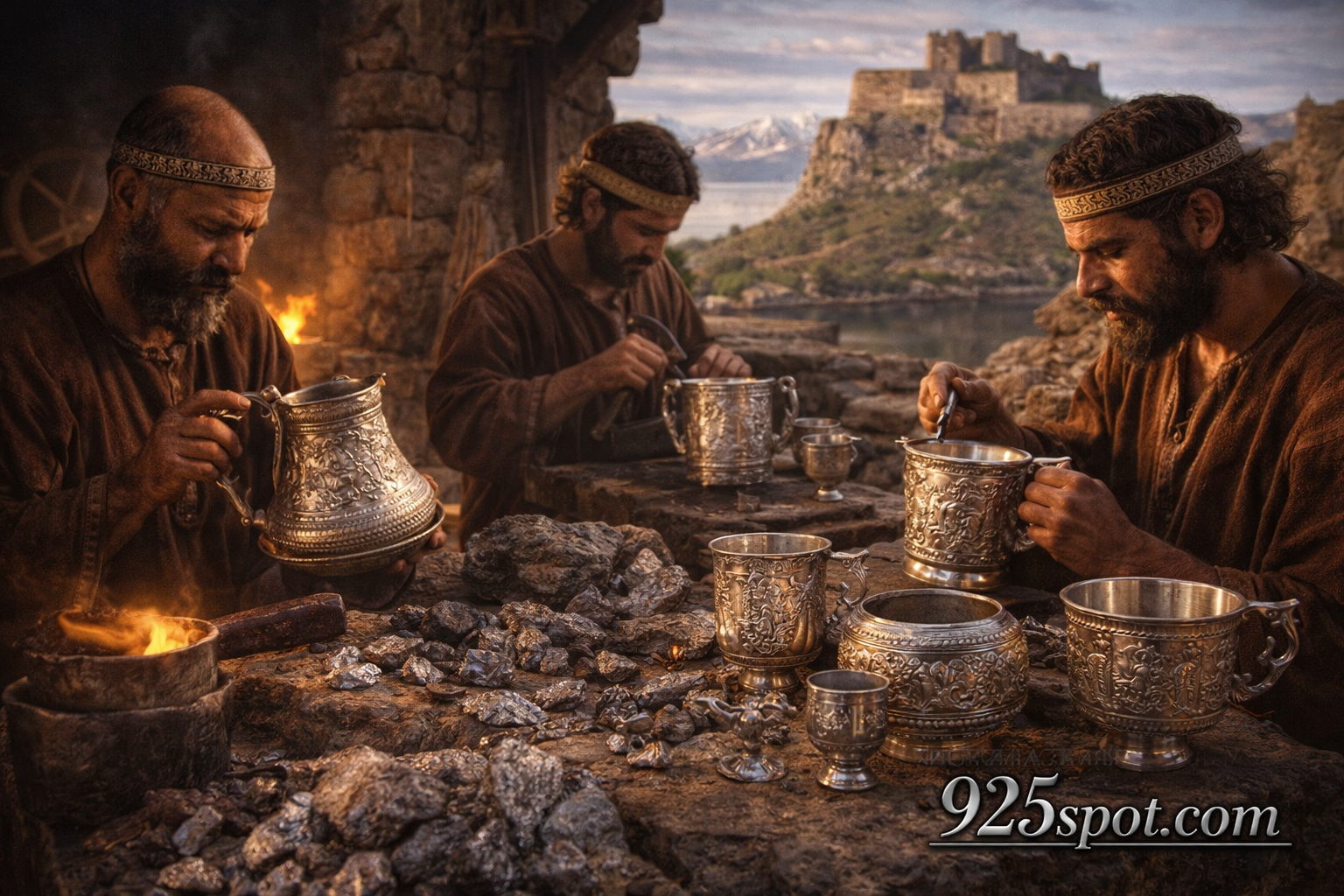
Their highland workshops produced luxury goods that rivaled those of their Mesopotamian neighbors, supplying royal courts and diplomatic gifts while strengthening the kingdom’s economic and military position. The local ore sources gave Urartu a strategic advantage in the metal trade. Silver vessels became symbols of Urartian power and artistry.
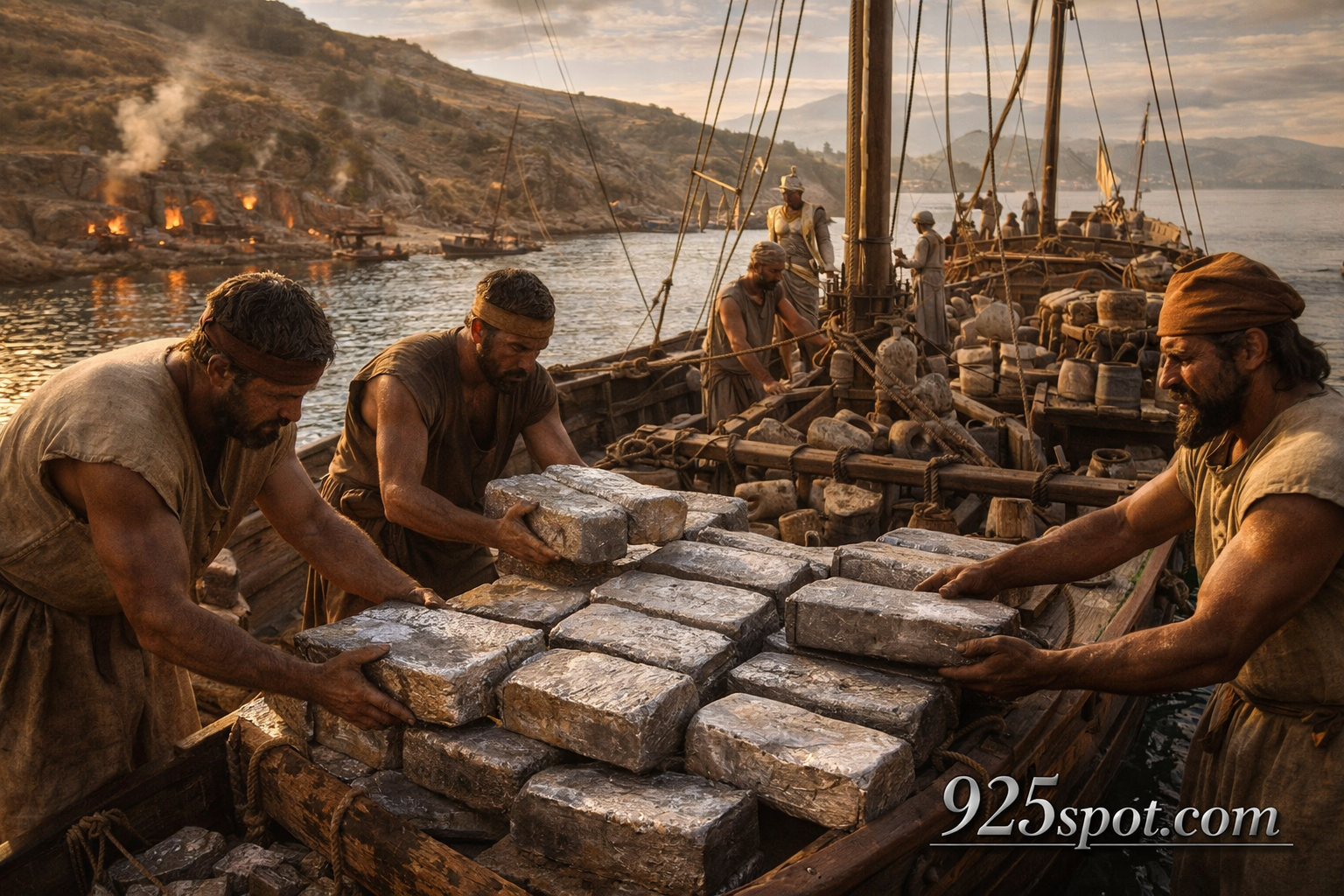
This early Iberian boom, fueled by rich local deposits and Phoenician metallurgical expertise, helped integrate the western Mediterranean into broader trade networks long before Roman conquest and set the stage for later Carthaginian and Roman exploitation of the same mines. The volume of silver moving eastward was impressive for the period. It contributed directly to the wealth that legends later attributed to Tartessos.
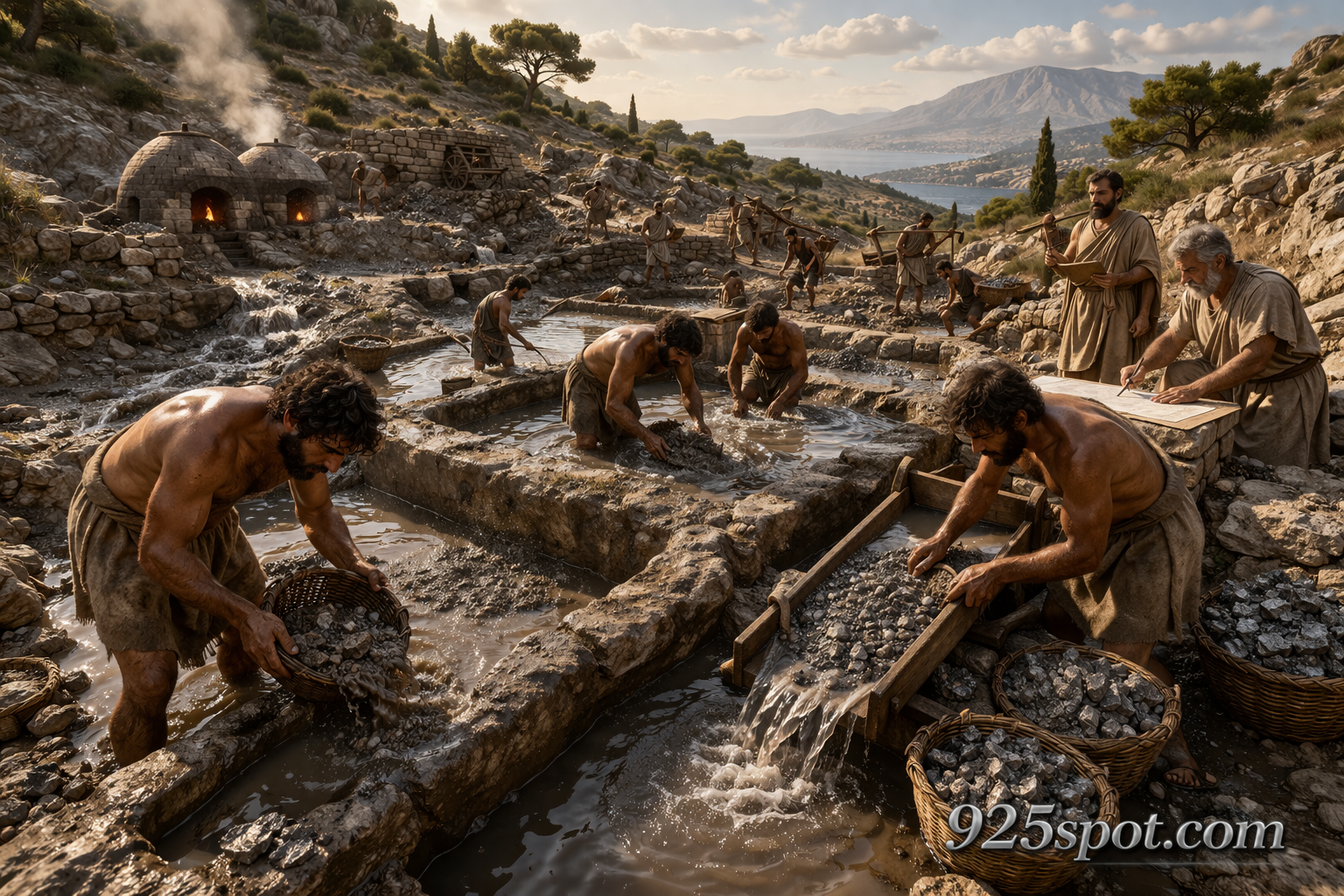
The carefully engineered stone basins and channels collected seasonal rains to wash and concentrate silver-bearing ores before smelting, forming an impressive industrial complex whose ruins are still visible in the Greek countryside today. The system’s dependence on natural rainfall highlights both the ingenuity and the environmental constraints of classical mining. It allowed year-round processing once the water was stored.
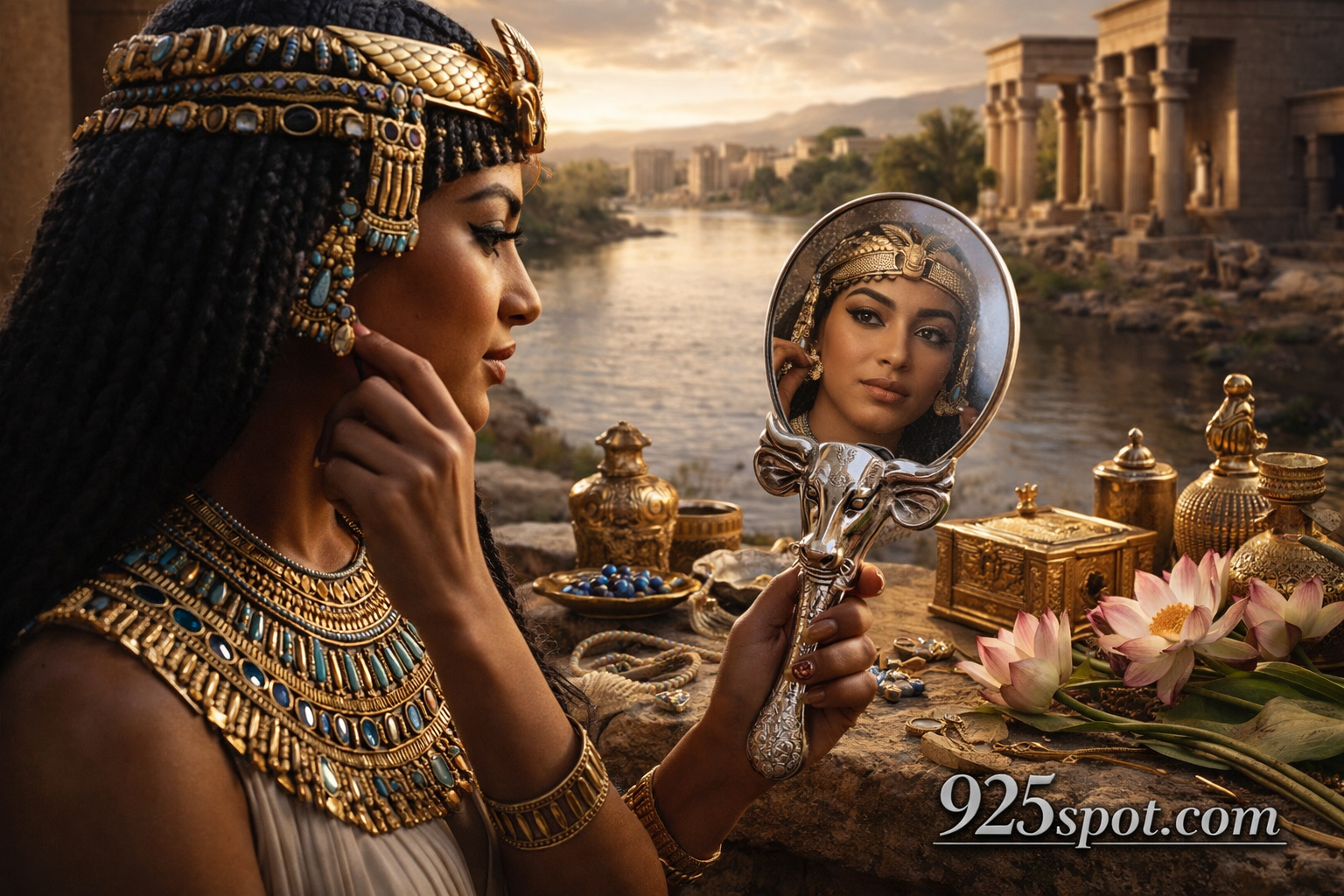
Their superior luster and reflective quality made them preferred over bronze for elite women, often decorated with cow motifs symbolizing beauty, fertility, and the divine feminine, turning a practical toilet article into a potent religious symbol. Silver’s pale color reinforced its lunar associations in Egyptian cosmology. The mirrors were placed in tombs to serve the deceased in the afterlife.
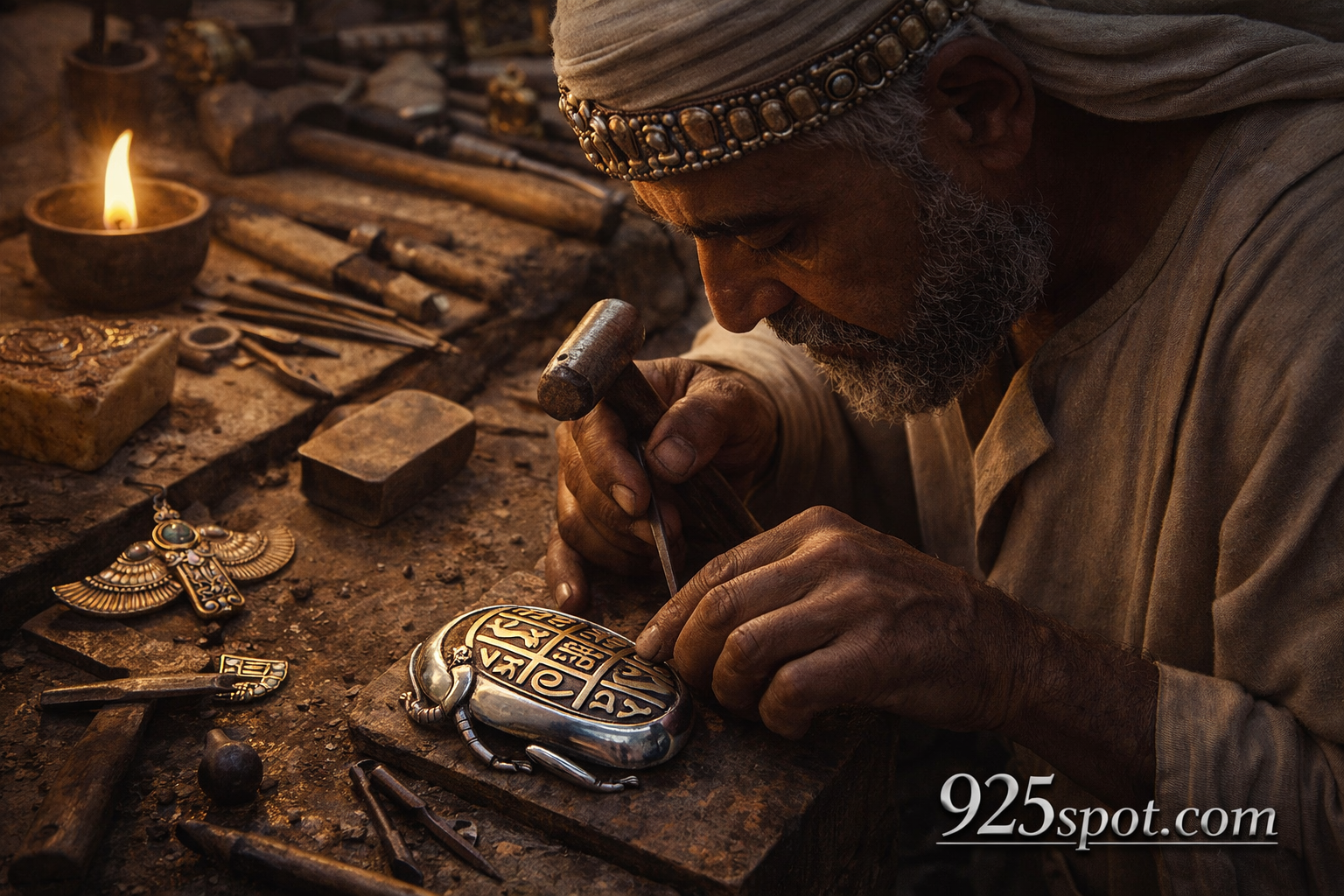
Around 1980 BCE, electrum hieroglyphs were meticulously set into a silver base, showcasing advanced jewelry techniques in Egyptian workshops and demonstrating that silver could serve as both a structural and decorative element in high-status objects. The scarab was found in a well-preserved tomb, preserving the inlay in pristine condition. It marks a technical milestone in Egyptian metalworking.
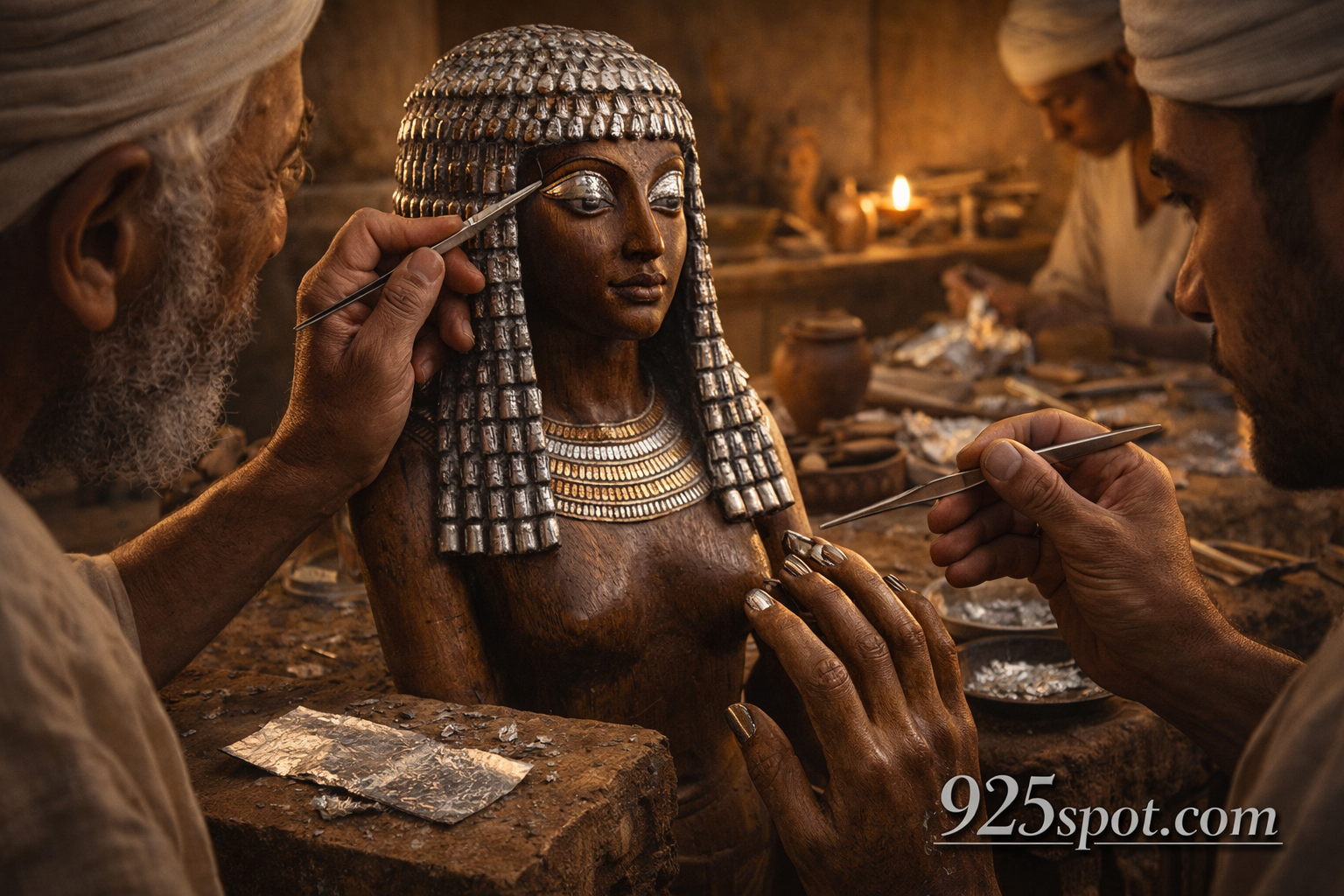
This delicate gilding-like application turned modest wooden statues into shimmering status symbols intended for the afterlife, showing how even small amounts of silver could dramatically elevate an object’s prestige and ritual power. The technique required extreme skill to apply the ultra-thin foil without tearing. It reflects the high value Egyptians continued to place on silver even when gold was more abundant locally.
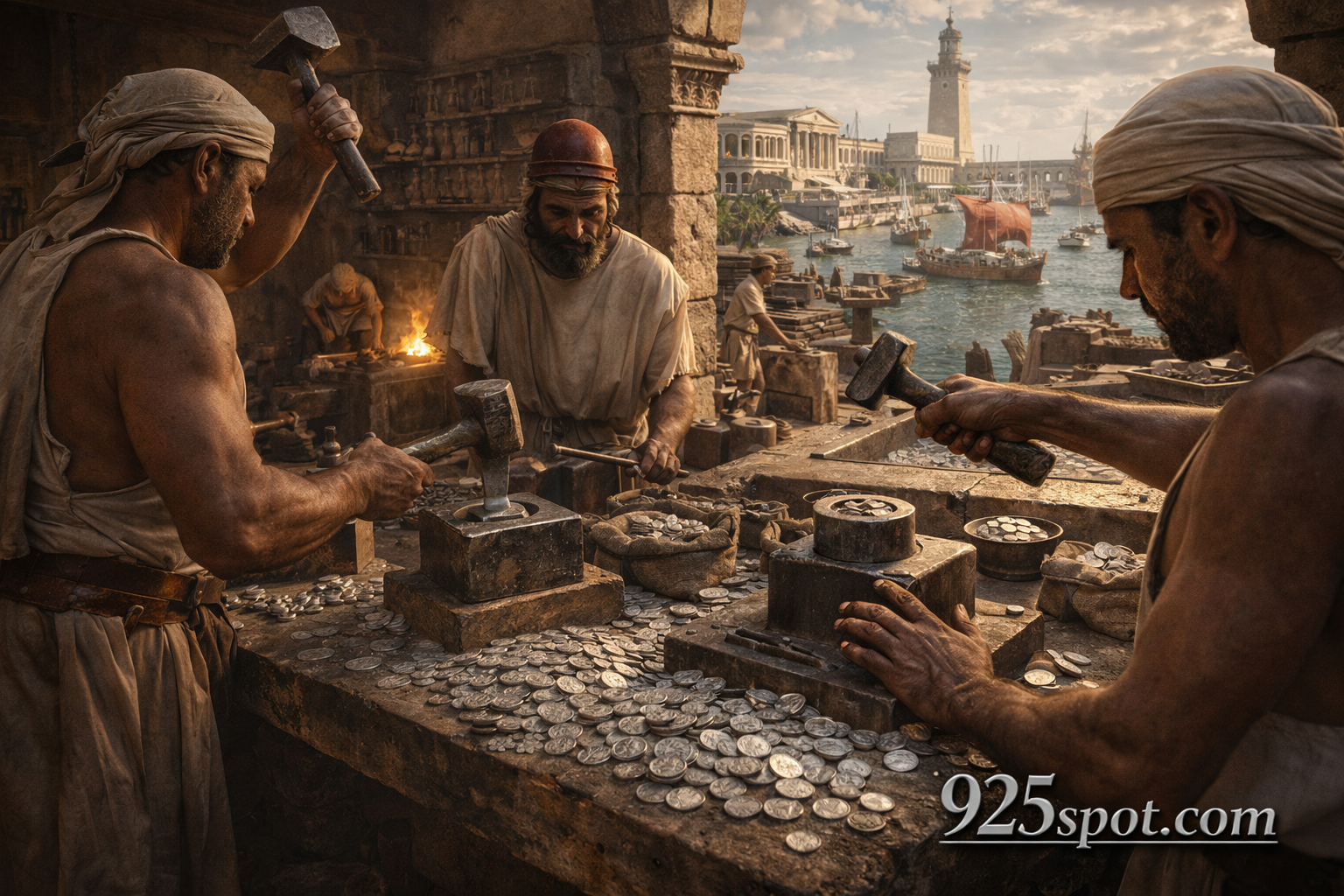
Under Greek rulers after Alexander, the coins supported massive grain trade, increased silver circulation throughout the Mediterranean, and helped integrate Egypt more fully into Hellenistic monetary systems. The sheer volume of minting reflected both economic growth and the need to pay armies and bureaucrats. It also increased the everyday availability of silver in a land that had once imported it as a rarity.
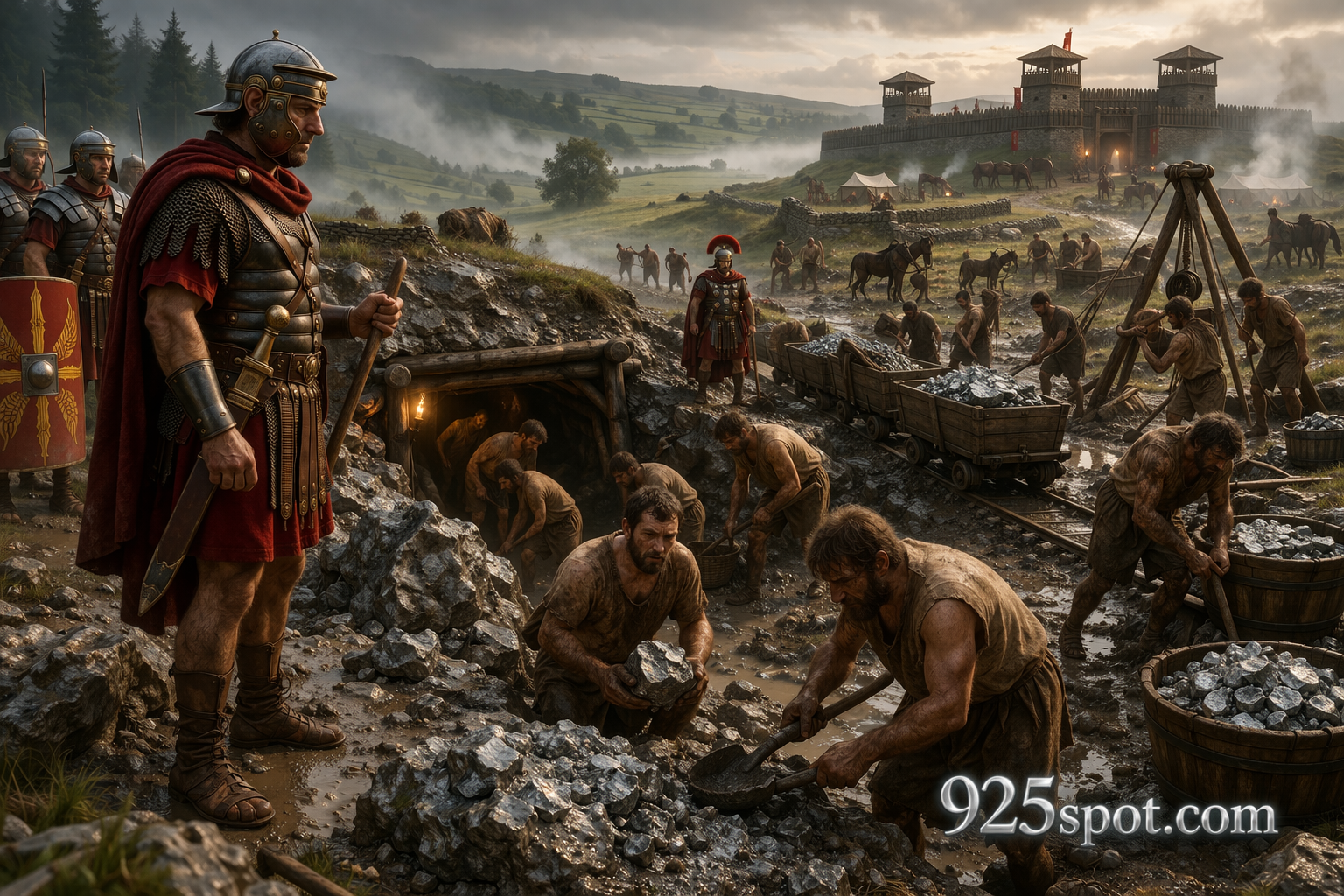
First-century CE operations in the newly acquired province fed the empire’s insatiable demand for coinage and luxury goods, with lead-silver mines quickly organized under military supervision to supply the denarius system. The rapid exploitation shows how Rome treated newly conquered territories as resource zones. British silver helped sustain the northern frontier and the broader imperial economy.
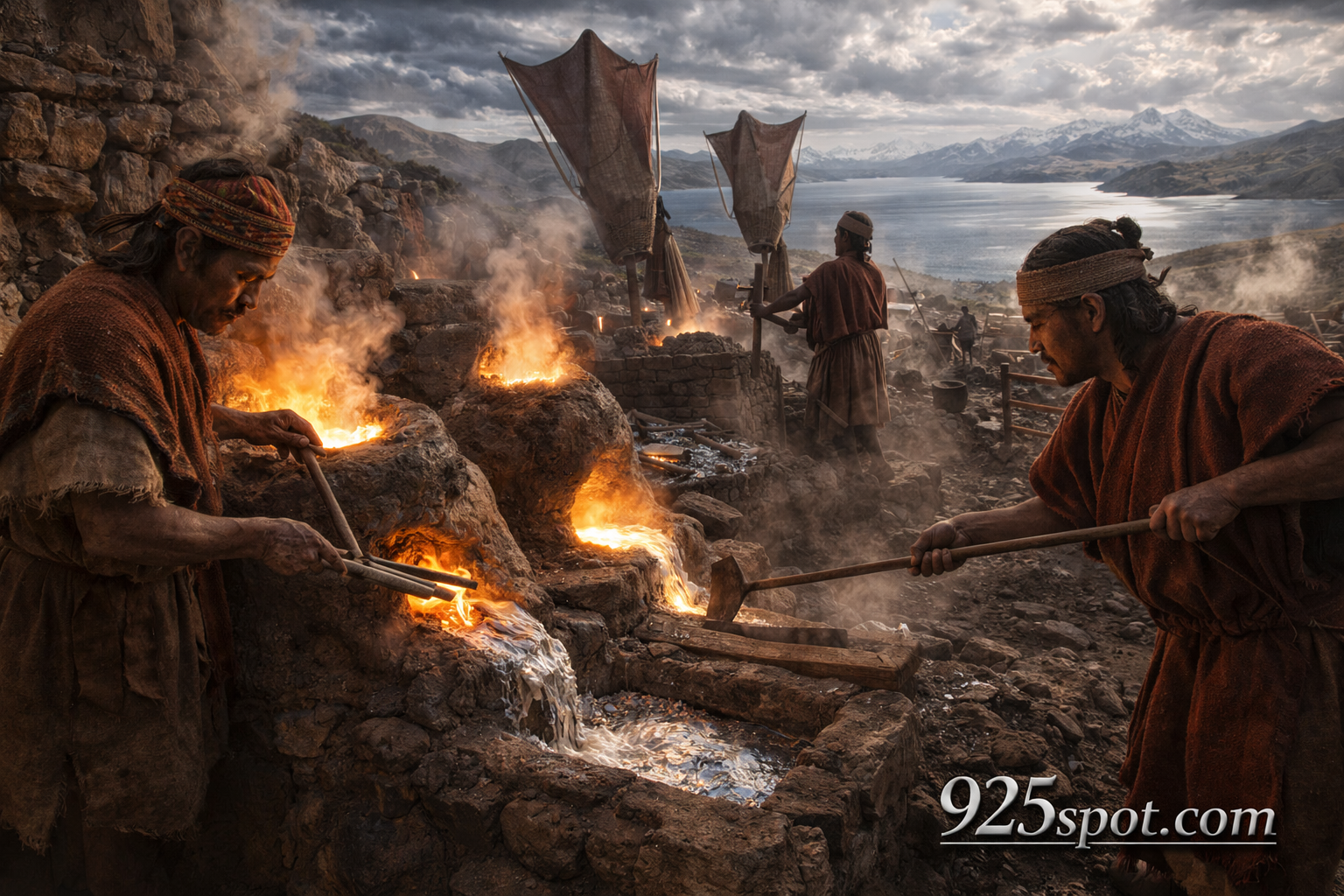
Their techniques—using wind-driven furnaces at high altitudes—paralleled Old World methods but evolved in complete isolation, producing silver for ritual and elite use long before European contact. The Lake Titicaca finds push back the timeline of New World silver metallurgy by centuries. This independent invention underscores the universality of human ingenuity when confronted with similar ores and needs.

Mesopotamian signs and later classical associations consistently linked the bright, pale metal to the moon goddess, reinforcing its ritual and elite status as a material of purity, clarity, and divine favor across cultures from Sumer to Greece. The color and luster made it a natural symbol for celestial bodies and moral qualities. This symbolism persisted even as silver became everyday money.
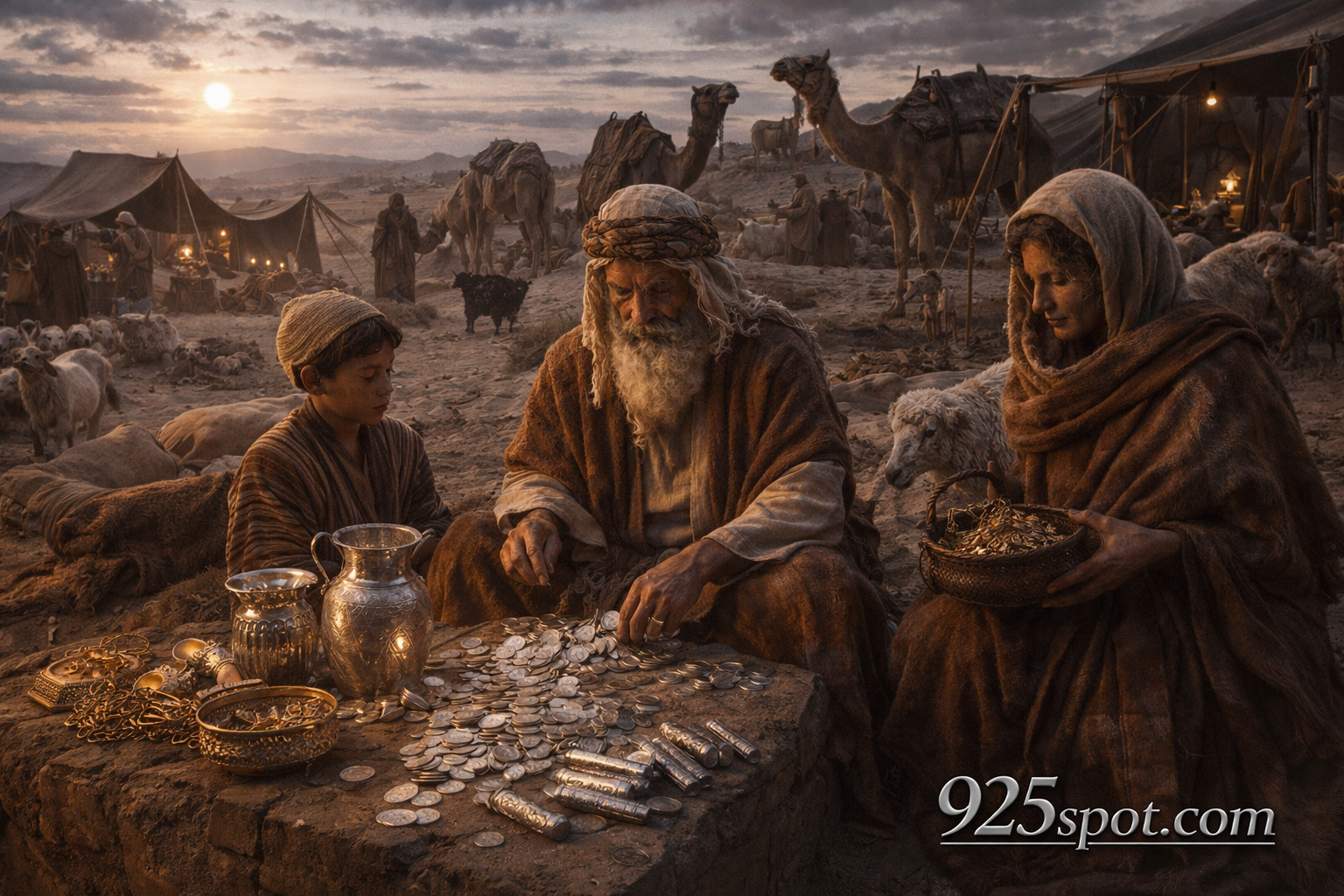
This early textual reference in the patriarchal narratives reflects the metal’s entrenched value in everyday Near Eastern society by the time the stories were written down, appearing alongside gold, livestock, and land as a standard measure of riches. Silver’s mention in sacred scripture helped cement its cultural importance for later Jewish, Christian, and Islamic traditions. It shows how deeply silver had penetrated even non-elite consciousness.
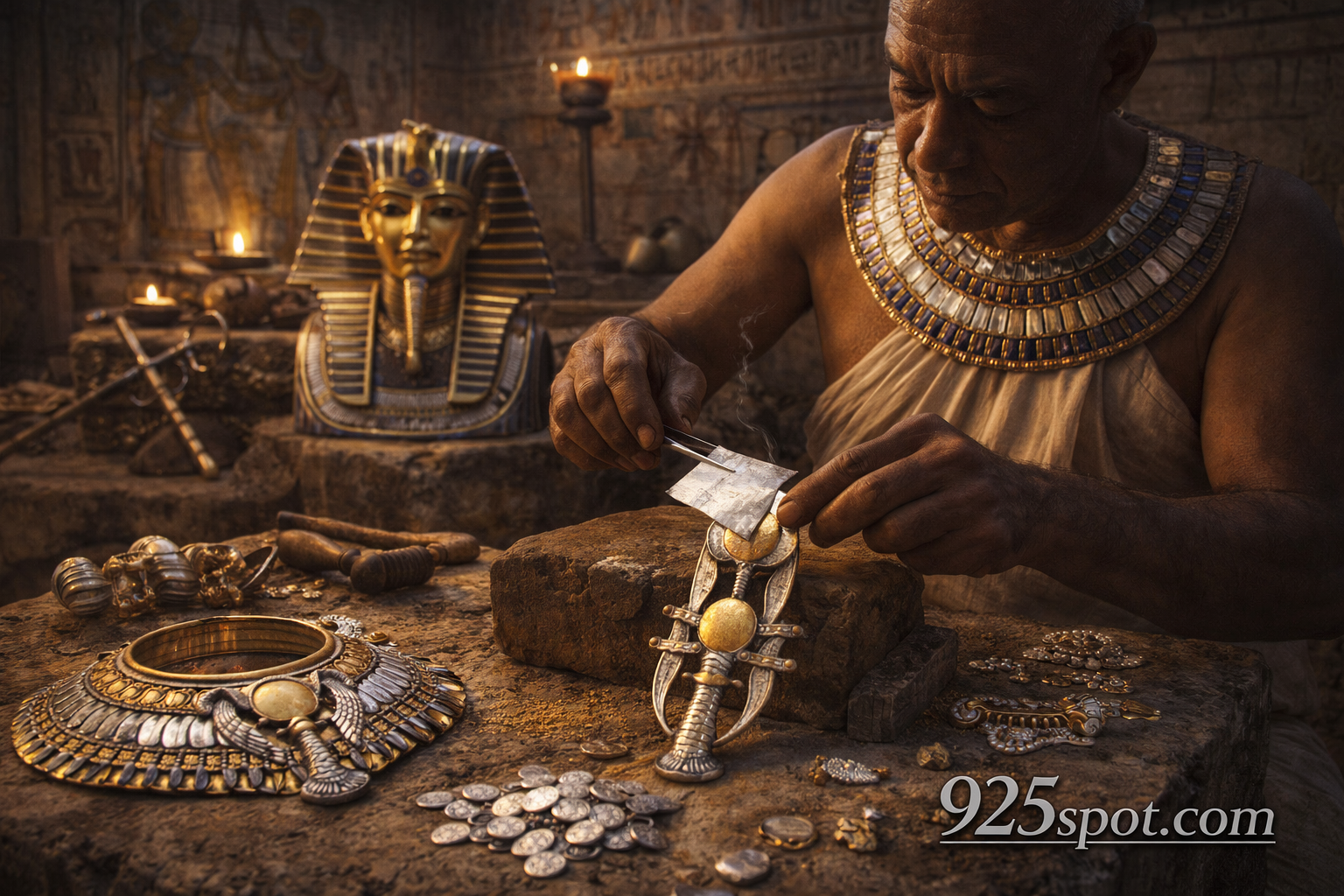
The technique created striking visual contrasts in royal jewelry and temple objects, combining the warmth of gold with silver’s cool brilliance to produce a luxurious two-tone appearance that symbolized the union of solar and lunar powers. The plating was often applied to inlays or decorative elements. It demonstrates Egyptian goldsmiths’ mastery of surface treatments and their desire to maximize visual impact with limited silver.
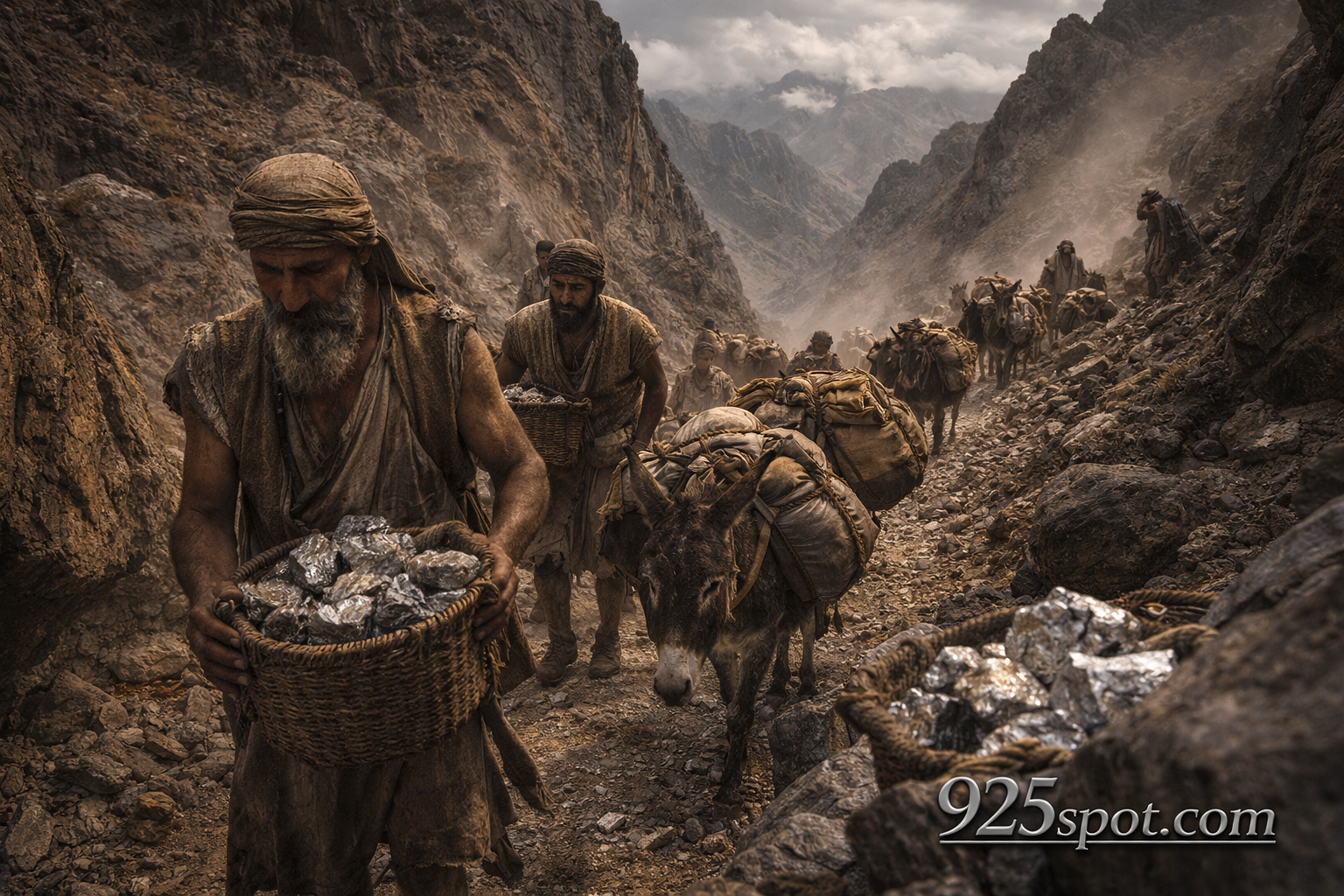
Their rich veins supplied much of the early Bronze Age trade that connected distant cultures across the Near East and Aegean, making control of these highland sources a strategic priority for emerging states and traders alike. The mines operated continuously from the 4th millennium onward. They represent one of the longest-lived silver-producing regions in the ancient world.
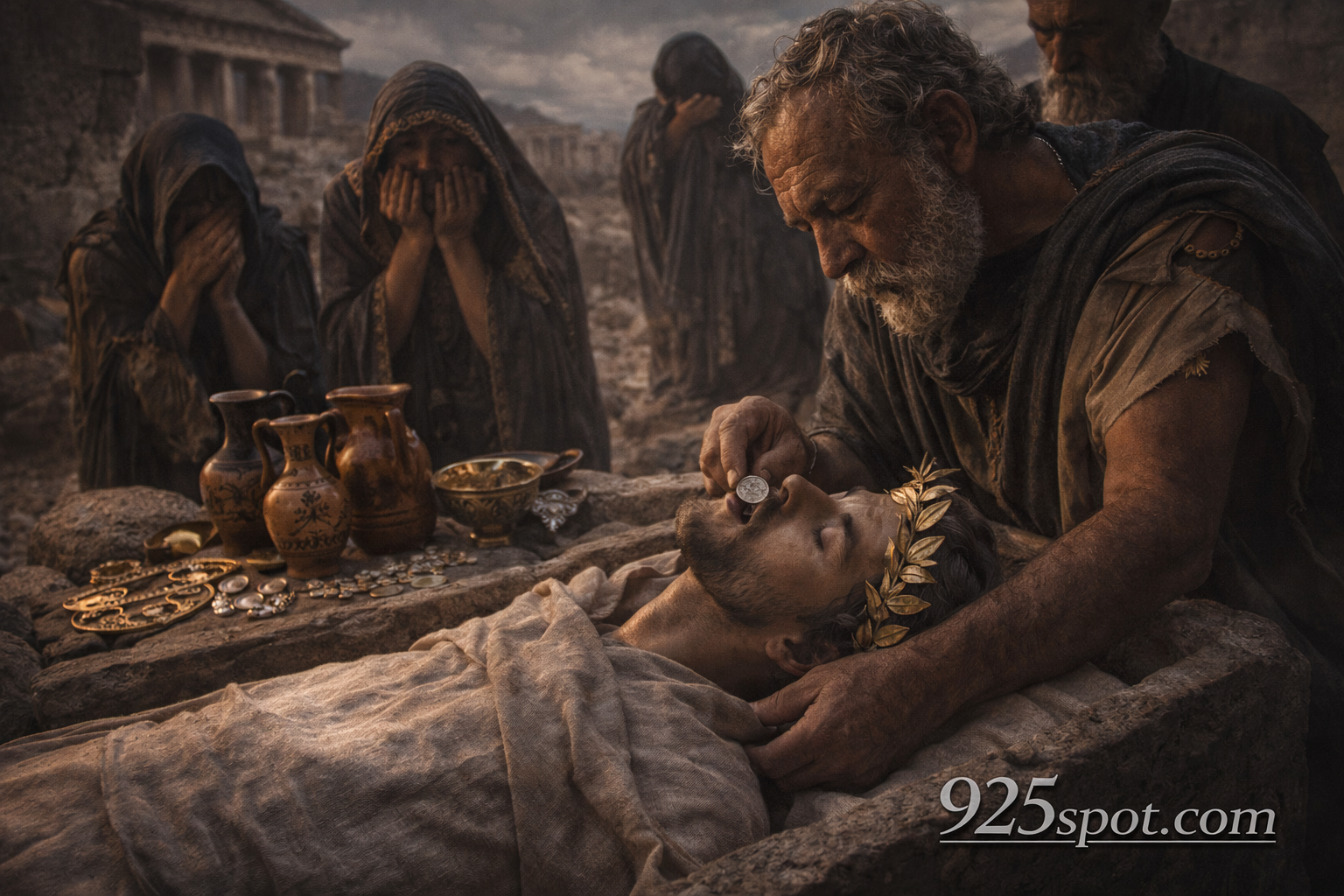
The custom of paying the underworld ferryman with a small silver coin turned the metal into a literal passport for the afterlife, ensuring the deceased could cross the River Styx and reflecting silver’s enduring association with ritual, purity, and the divine. The practice appears in burials across the Greek world. It shows how silver had become both practical money and a sacred object.

Evolving through linguistic pathways into Latin “argentum” and eventually the modern chemical symbol Ag, the word itself captures the metal’s ancient allure as something radiant, pure, and almost otherworldly across Indo-European cultures. This etymology reflects how early speakers of these languages perceived silver’s unique visual properties. The name traveled with the metal along trade routes, reinforcing its universal appeal from India to Rome.